AI Infrastructure Expansion Raises Concerns Amidst Underutilized Resources
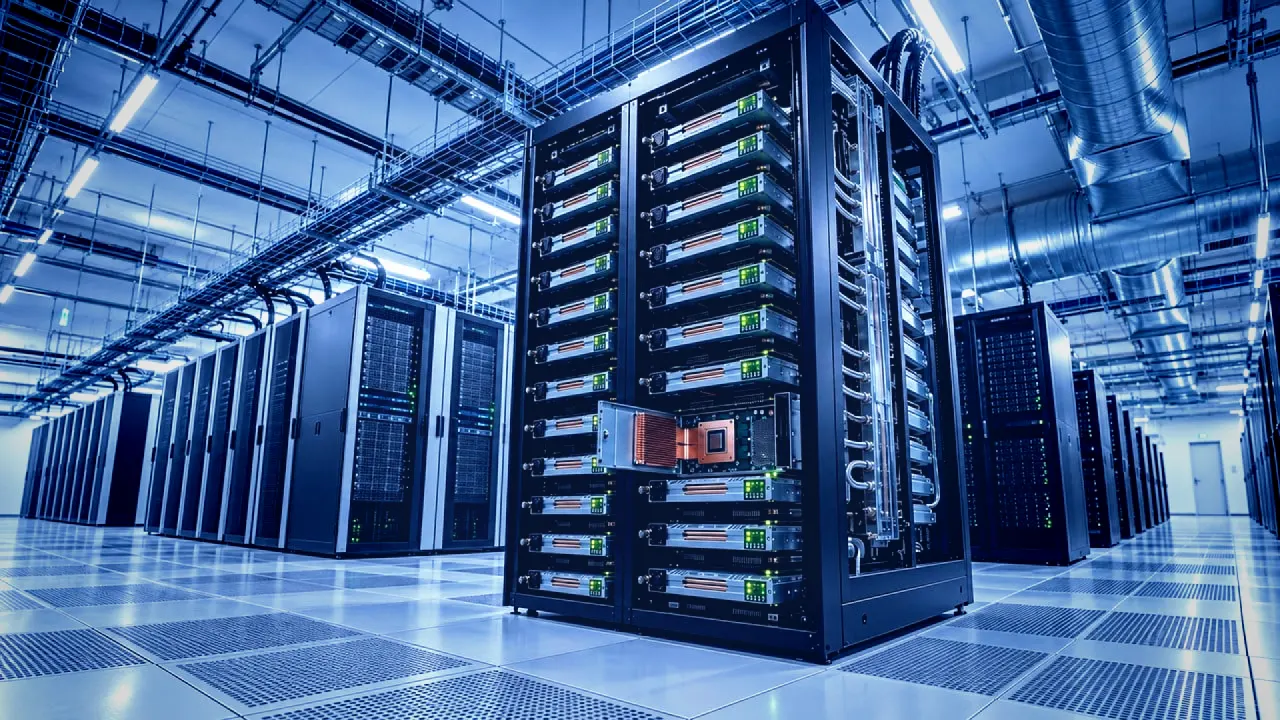
The artificial intelligence sector is facing scrutiny as David Sherman, an AI and financial inclusion strategist at decentralized computing network io.net, cautions that it may be constructing more data centers than necessary. This expansion is occurring while a significant amount of computing power remains idle.
Sherman highlighted that hyperscalers are increasingly financing their infrastructure growth through debt, which raises concerns about whether these investments will yield adequate returns. His remarks come in the wake of a notable selloff in AI stocks, exacerbated by higher-than-expected US inflation data, which has intensified worries regarding borrowing costs and the viability of the industry's spending strategies.
“The scale of this selloff should be a warning sign for the AI industry,” Sherman stated. He emphasized that while demand for computing power is robust, the continuous construction of new facilities may not be the most sustainable approach.
Debt Concerns and Market Dynamics
Investors are reevaluating the financial implications of AI infrastructure expansion. Recent market trends show a decline in South Korea’s KOSPI index, with semiconductor giants like Samsung Electronics and SK Hynix experiencing significant losses. Financing conditions for data center developers are tightening, as investors become more selective about funding projects, particularly those with substantial debt burdens.
For instance, AI infrastructure company Firmus has struggled to support a proposed $5 billion IPO due to concerns surrounding its $30 billion debt load. Despite these challenges, investment in Asian data center projects has reached $22.3 billion this year, although equity fundraising has decreased by 4.6% to $5.4 billion.
Unused AI Computing Capacity
Supporting Sherman’s concerns, a September 2026 report from VentureBeat Intelligence revealed that 81% of enterprises running AI workloads reported GPU utilization of 50% or less, with 31% indicating utilization below 25%. Nonetheless, 63% of these enterprises plan to expand or replace their AI infrastructure within the next year, despite only 10% having a reviewed return on investment figure.
Sherman argues that the industry should focus on optimizing existing infrastructure rather than solely relying on new data centers. He suggests exploring distributed computing networks, smarter workload allocation, and marketplaces for unused GPU capacity as viable alternatives. These systems allow companies to leverage computing resources from multiple providers instead of investing in dedicated infrastructure.
While acknowledging the necessity of new data centers, Sherman believes that better utilization of current resources could mitigate the industry's dependence on costly expansions financed through debt. As investors increasingly question the potential returns of AI infrastructure spending, the industry's future may hinge on its ability to adapt to these financial realities.
FAQ
What concerns are being raised about AI infrastructure expansion?
Concerns are being raised that the AI sector is constructing more data centers than necessary while a significant amount of computing power remains idle. Experts warn that this expansion, financed through debt, may not yield adequate returns.
What is the current state of AI stocks and market dynamics?
AI stocks have experienced a notable selloff, exacerbated by higher-than-expected US inflation data, leading to worries about borrowing costs and the sustainability of the industry's spending strategies.
How are investors reacting to the financial implications of AI infrastructure expansion?
Investors are becoming more selective about funding projects, particularly those with substantial debt burdens, as financing conditions for data center developers tighten.
What does the report from VentureBeat Intelligence reveal about AI workload utilization?
The report indicates that 81% of enterprises running AI workloads reported GPU utilization of 50% or less, with 31% indicating utilization below 25%, highlighting underutilization of existing resources.
What alternatives does David Sherman suggest for AI infrastructure optimization?
Sherman suggests focusing on optimizing existing infrastructure, exploring distributed computing networks, smarter workload allocation, and marketplaces for unused GPU capacity instead of solely relying on new data centers.
Comments
Comments are moderated before publish.
No comments yet — be the first.