Canada Responds to US Tariffs with Retaliatory Measures Amid Trade Tensions
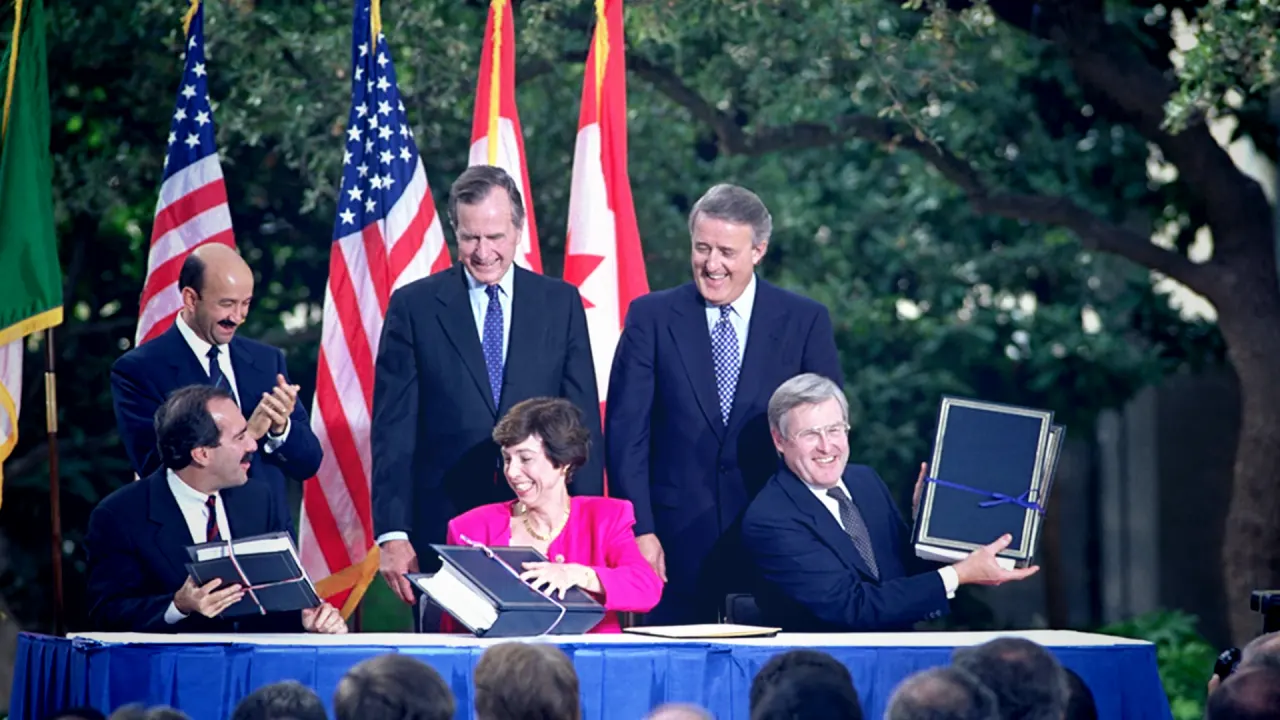
The trade relationship between Canada and the United States has deteriorated significantly following the announcement of new tariffs by the US. Prime Minister Mark Carney described the US tariffs as "an attack in a war," indicating that Canada will not back down from the escalating conflict.
Effective January 1, 2027, the US will impose a 50% tariff on approximately $20 billion worth of Canadian exports, including vehicles, auto parts, and steel. In response, Canada plans to implement matching retaliatory tariffs on US products, set to begin September 8, 2026.
This tariff dispute has been intensifying since 2025, with Canada already investing nearly $25 billion to support sectors affected by previous US tariffs. The latest round of negotiations under the USMCA framework failed to yield a resolution, primarily due to disagreements over tariff relief for medium- and heavy-duty trucks.
As the North American auto industry relies heavily on cross-border supply chains, the impending tariffs add further uncertainty to manufacturers. Carney has emphasized that Canada will not accept agreements that undermine its economic sovereignty, setting the stage for a protracted trade conflict.
Updated 19:33 UTC
Latest Developments in North American Trade Relations
- Mexican President Claudia Sheinbaum expressed optimism about a potential trade deal with US President Donald Trump on August 24, 2026.
- US-Canada trade negotiations have collapsed, leading to Trump announcing a 50% tariff on Canadian goods effective January 1, 2027.
- Canada plans to implement retaliatory measures starting September 8, 2026.
- Economy Minister Marcelo Ebrard is currently in Washington to continue bilateral discussions following the breakdown of US-Canada talks.
- The United States-Mexico-Canada Agreement (USMCA) requires annual reviews, with its sixth anniversary review having taken place on July 1, 2026.
- Trade concessions from the US are linked to Mexico's efforts to address fentanyl trafficking issues.
- Increased tariffs could disrupt the North American auto industry's integrated production networks, affecting costs for manufacturers and consumers alike.
Updated 19:34 UTC
New Developments in Canada-US Trade Relations
On August 22, Prime Minister Mark Carney announced that Canada will impose retaliatory tariffs on American goods starting September 8, directly responding to the US's 50% tariffs on approximately $20 billion worth of Canadian exports.
The tariffs will target major sectors including steel, dairy, agricultural equipment, electronics, appliances, and pulp and paper.
Carney described the situation as Canada being "effectively 'at war'" with the US over these tariffs, while also indicating a willingness to engage in further trade talks, contingent on a change in the US's approach.
The announcement follows the collapse of trade negotiations on August 21, which were derailed by last-minute demands from the US that Carney deemed "unfair" and "uneconomic." This escalation marks a significant shift in the trade dynamics between the two countries.
Updated 21:32 UTC
New Developments in US-Canada Trade Relations
On August 22, Canadian Prime Minister Mark Carney announced that Canada will impose retaliatory tariffs on US goods starting September 8, matching the US's recent 50% tariffs on approximately $20 billion worth of Canadian exports.
The US tariffs target Canadian cultural exports, including hockey gear, wine, beer, dairy, clothing, and cement. In response, Canada plans to focus its tariffs on US steel, dairy, appliances, agricultural equipment, pulp and paper, and electronics, aiming to impact politically sensitive industries across various US states.
Carney emphasized that Canada views this as a direct attack, stating, "You’re at war when you get attacked. We got attacked." The collapse of trade negotiations on August 21 was attributed to excessive last-minute demands from the US, including issues related to auto manufacturing rules and Canadian sovereignty.
In response to Carney's announcement, President Trump threatened an additional layer of 50% tariffs on Canadian automobiles, trucks, and parts, set to take effect on January 1, 2027. This ongoing tariff standoff is part of a historical pattern of trade disputes between the two nations.
The economic implications of these tariffs are significant, as Canadian exporters in the affected sectors may struggle to compete in their primary market, with nearly 70% of Canada’s exports going to the US. The two-week period before the retaliatory tariffs take effect presents a narrow window for potential negotiations, although tensions remain high.
Updated 00:30 UTC
New Developments in Canada-US Trade Relations
- Canada has announced retaliatory tariffs matching the 50% duties imposed by the US on approximately $20 billion worth of Canadian exports.
- The US tariffs, effective August 22, target Canadian wine, furniture, and dairy products.
- Canada's response will affect US steel, appliances, and other sectors starting September 8.
- The affected Canadian exports account for about 5.5% of Canada's total exports to the US.
- Prime Minister Mark Carney has indicated that support measures for affected workers and businesses will be announced in the coming week.
- The current trade tensions trace back to 2025, when the Trump administration first imposed tariffs on Canada.
- Since 2025, Canada has signed over 20 new trade and security deals to reduce dependence on the US market.
- Nearly 70% of Canadian exports currently go to the US.
FAQ
What new tariffs has the US announced on Canadian exports?
The US has announced a 50% tariff on approximately $20 billion worth of Canadian exports, including vehicles, auto parts, and steel, effective January 1, 2027.
How is Canada responding to the US tariffs?
Canada plans to implement matching retaliatory tariffs on US products, set to begin on September 8, 2026.
What has been the impact of previous US tariffs on Canada?
Canada has invested nearly $25 billion to support sectors affected by previous US tariffs, indicating significant economic strain from the ongoing trade tensions.
What was the outcome of the latest negotiations under the USMCA framework?
The latest round of negotiations under the USMCA framework failed to yield a resolution, primarily due to disagreements over tariff relief for medium- and heavy-duty trucks.
What is Prime Minister Mark Carney's stance on the trade conflict?
Prime Minister Mark Carney has emphasized that Canada will not accept agreements that undermine its economic sovereignty, indicating a firm stance against the US tariffs.
Comments
Comments are moderated before publish.
No comments yet — be the first.