China Calls for De-escalation in Middle East Amid Ongoing US-Iran-Israel Tensions
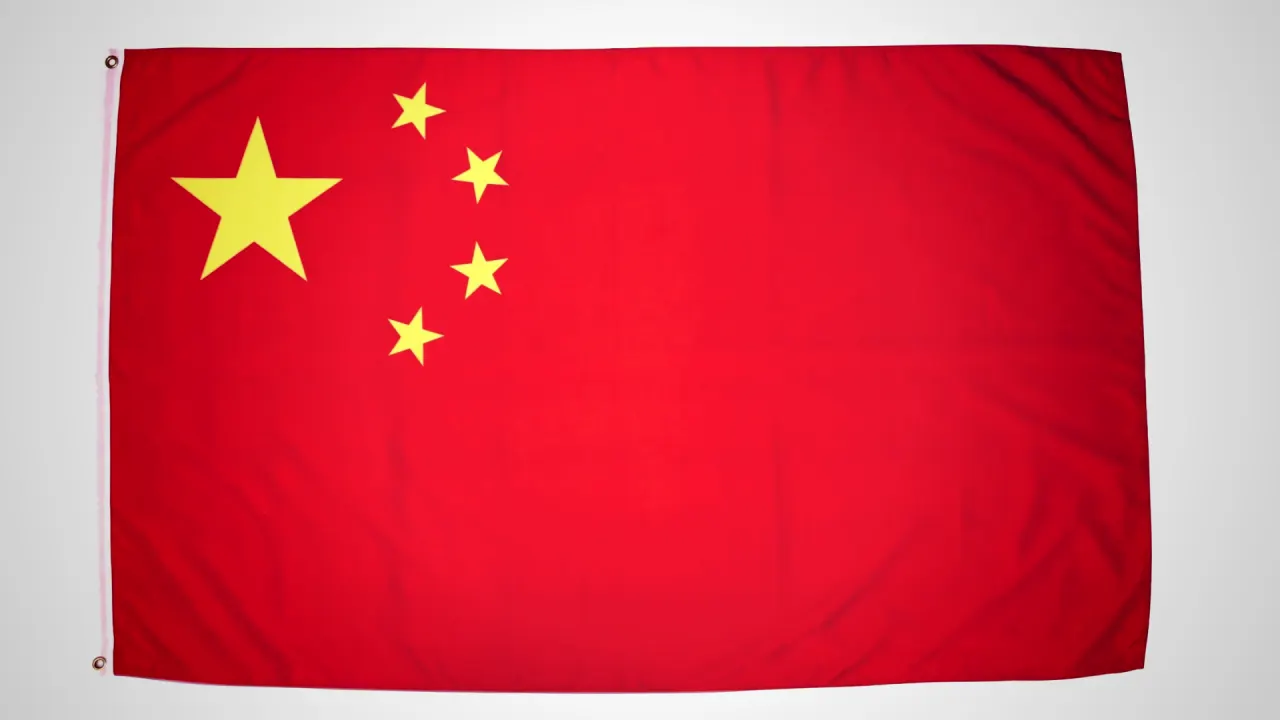
China has called for the de-escalation of tensions in the Middle East, warning that the region is at a critical juncture. This appeal comes as the conflict escalates following U.S.-Israeli airstrikes against Iran earlier this year, which have drawn in several regional players.
China’s emphasis on dialogue highlights the geopolitical complexities and the potential for increased diplomatic engagement to address the ongoing crisis. The situation has significantly impacted regional shipping routes, particularly the Strait of Hormuz, introducing heightened risks to energy and security infrastructure.
Key Takeaways
- China's call for dialogue suggests a potential for increased diplomatic efforts in the Middle East, which may influence peace talks.
- The ongoing conflict involving the U.S., Israel, Iran, and Gulf states underscores the urgency of diplomatic intervention.
- Market pricing indicates that participants view the possibility of U.S.-Iran meetings in the UAE as more likely following China’s diplomatic push.
What to Watch
- Observers are looking for announcements from key actors such as the U.S., Iran, or other Middle Eastern countries that might indicate a shift towards peace talks.
- Joint statements or confirmations of meeting locations could signal a move towards a diplomatic resolution.
- Shifts in market pricing may provide further indications of changing expectations regarding the likelihood of U.S.-Iran meetings by the end of September.
Updated 16:03 UTC
New Developments in US-Iran Relations
Iran is currently evaluating potential military responses amid rising tensions with the United States, particularly following the breakdown of the June ceasefire. The ongoing confrontation is centered around Iran's nuclear program, the blockade of the Strait of Hormuz, and U.S. economic sanctions.
Reports indicate that Iran may consider targeting commercial vessels or U.S. assets in the region, marking a potential shift from economic strategies to military escalation. This situation arises as diplomatic solutions appear increasingly unlikely, with the U.S. maintaining a naval blockade and Iran threatening shipping routes.
Market indicators suggest a decreased likelihood of a U.S.-Iran deal by 2026, with significant declines in YES shares recently. The potential for military escalation by Iran has influenced market perceptions regarding the prospects for diplomatic resolutions.
Key areas to watch include any military activity in the Strait of Hormuz and statements from influential figures such as President Donald Trump and Iranian Foreign Minister Javad Zarif, which could either signal a move towards negotiation or further escalate tensions. Additionally, developments in mediation efforts by Qatar and Pakistan may provide insights into possible diplomatic breakthroughs.
FAQ
What is China's position on the current tensions in the Middle East?
China has called for de-escalation of tensions in the Middle East, emphasizing the need for dialogue and diplomatic engagement to address the ongoing crisis.
What events have escalated the conflict in the Middle East recently?
The conflict has escalated following U.S.-Israeli airstrikes against Iran earlier this year, which have involved several regional players.
How has the ongoing conflict affected regional shipping routes?
The situation has significantly impacted regional shipping routes, particularly the Strait of Hormuz, introducing heightened risks to energy and security infrastructure.
What might indicate a shift towards peace talks in the Middle East?
Observers are looking for announcements from key actors, joint statements, or confirmations of meeting locations that could signal a move towards a diplomatic resolution.
How are market participants reacting to the possibility of U.S.-Iran meetings?
Market pricing suggests that participants view the possibility of U.S.-Iran meetings in the UAE as more likely following China's diplomatic push.
Comments
Comments are moderated before publish.
No comments yet — be the first.