China Rejects G20 Statement on Strait of Hormuz Amid U.S.-Iran Tensions
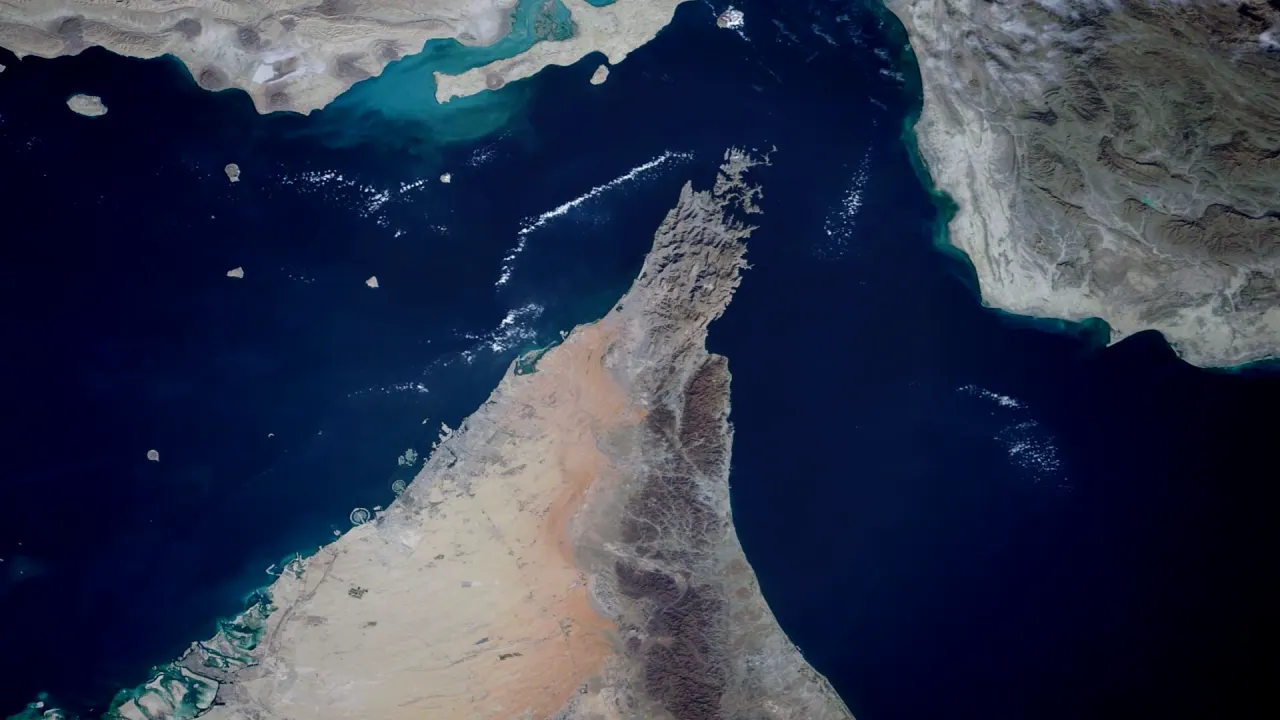
China has opposed a G20 statement regarding the free and safe passage through the Strait of Hormuz, a key maritime chokepoint amid ongoing U.S.-Iran tensions. This development comes as recent diplomatic efforts between the United States and Iran have failed to stabilize the region, with commercial shipping under threat from renewed hostilities.
The situation at the Strait of Hormuz remains highly sensitive, and China's stance at the G20 complicates efforts to reach a U.S.-Iran agreement on maritime security. Market pricing indicates a significant decrease in the perceived likelihood of a U.S.-Iran agreement by September 15, with odds falling from 5% to 2.8%.
Observers will be closely monitoring any diplomatic developments or statements from key actors such as U.S. President Donald Trump and Iran’s Foreign Minister Abbas Araghchi. Reports of progress or setbacks in negotiations could significantly impact market perceptions. Additionally, any military activity or statements from U.S. Central Command or Iranian authorities could further influence the likelihood of an agreement on the Strait of Hormuz.
The evolving geopolitical landscape will be crucial in determining future developments.
Updated 13:34 UTC
New Developments
A reported US airstrike struck a residence in Sirik County, Iran, during a wedding celebration on September 1, resulting in at least four fatalities and numerous injuries, as reported by Iranian state media. The US Central Command denied targeting civilians, asserting that the strike was part of operations against the Islamic Revolutionary Guard Corps (IRGC).
The strike occurred in Kuhestak, a settlement in Hormozgan province, where a wedding was taking place. Victims included a four-year-old child and several adults, with the majority of the wounded being women and children. Hormozgan province is strategically located along Iran's southern coast, adjacent to the Strait of Hormuz, through which a significant portion of the world's oil supply transits.
Iranian officials condemned the strike, labeling it as part of a broader pattern of US aggression and vowed to retaliate against US or allied targets. The IRGC possesses various asymmetric capabilities in the region, raising concerns about potential escalations in the ongoing conflict.
Updated 14:04 UTC
New Developments
On September 2, Gulf stock markets experienced a decline following U.S. airstrikes against Iranian targets, which were met with retaliatory missile and drone attacks from Iran. Dubai's main index fell by 0.6%, Qatar's benchmark slipped by 0.5%, and Saudi Arabia's Tadawul index dipped by 0.3%.
The U.S. strikes occurred overnight on September 1-2, leading to Iran's Revolutionary Guards launching ballistic missile attacks on a U.S. base in Jordan and drone strikes on a U.S. facility in Bahrain. This escalation is centered around the strategic Strait of Hormuz, a critical waterway for global oil supply.
In Dubai, major companies like Emaar Properties and Salik saw declines of 1.3% and 1.1%, respectively. Qatar's Industries Qatar fell by 1.2%, while Qatar National Bank decreased by 0.5%. The Tadawul index's losses were primarily in the utilities, healthcare, and materials sectors.
Historically, prior confrontations between the U.S. and Iran over the summer led to regional index declines ranging from 0.3% to 1.5%, placing the September 2 sell-off within that range.
Updated 15:02 UTC
Latest Developments on Oil and Gas Prices
Renewed fighting between the US and Iran has caused Brent crude oil prices to surge past $95 per barrel, with European natural gas futures reaching levels not seen in three years. As of September 1, 2026, Brent crude settled near $94.65, before exceeding $95 the following day.
The Strait of Hormuz, a critical waterway for global LNG supplies and oil, has seen a significant reduction in tanker traffic due to US airstrikes and Iranian retaliation. Only a handful of vessels are currently making daily passages, a stark decline from normal operations.
Since March 2026, the ongoing conflict has added approximately $330 billion to global energy import bills, with Europe accounting for about $78 billion of that total. Eurozone inflation has risen to around 2.9-3.3%, driven by double-digit annual increases in energy costs.
As winter approaches, concerns grow over European gas storage levels, particularly if disruptions in the Strait of Hormuz continue into the colder months.
FAQ
What is the significance of the Strait of Hormuz?
The Strait of Hormuz is a critical maritime chokepoint through which a significant portion of the world's oil supply is transported. Its security is vital for global energy markets.
Why did China reject the G20 statement on the Strait of Hormuz?
China opposed the G20 statement due to its concerns over U.S.-Iran tensions and the implications for regional stability and maritime security.
How have U.S.-Iran relations affected shipping in the region?
Ongoing tensions between the U.S. and Iran have led to threats against commercial shipping, making the situation in the Strait of Hormuz increasingly precarious.
What are the current odds of a U.S.-Iran agreement regarding maritime security?
Market pricing indicates a significant decrease in the likelihood of a U.S.-Iran agreement, with odds falling from 5% to 2.8% as of September 15.
What should observers look for in the coming weeks regarding this situation?
Observers should monitor diplomatic developments, statements from key figures like U.S. President Donald Trump and Iran’s Foreign Minister Abbas Araghchi, as well as any military activities or announcements from U.S. Central Command or Iranian authorities.
Comments
Comments are moderated before publish.
No comments yet — be the first.