China's Central Bank Intervenes as Yuan Appreciates Amid Weak Domestic Demand
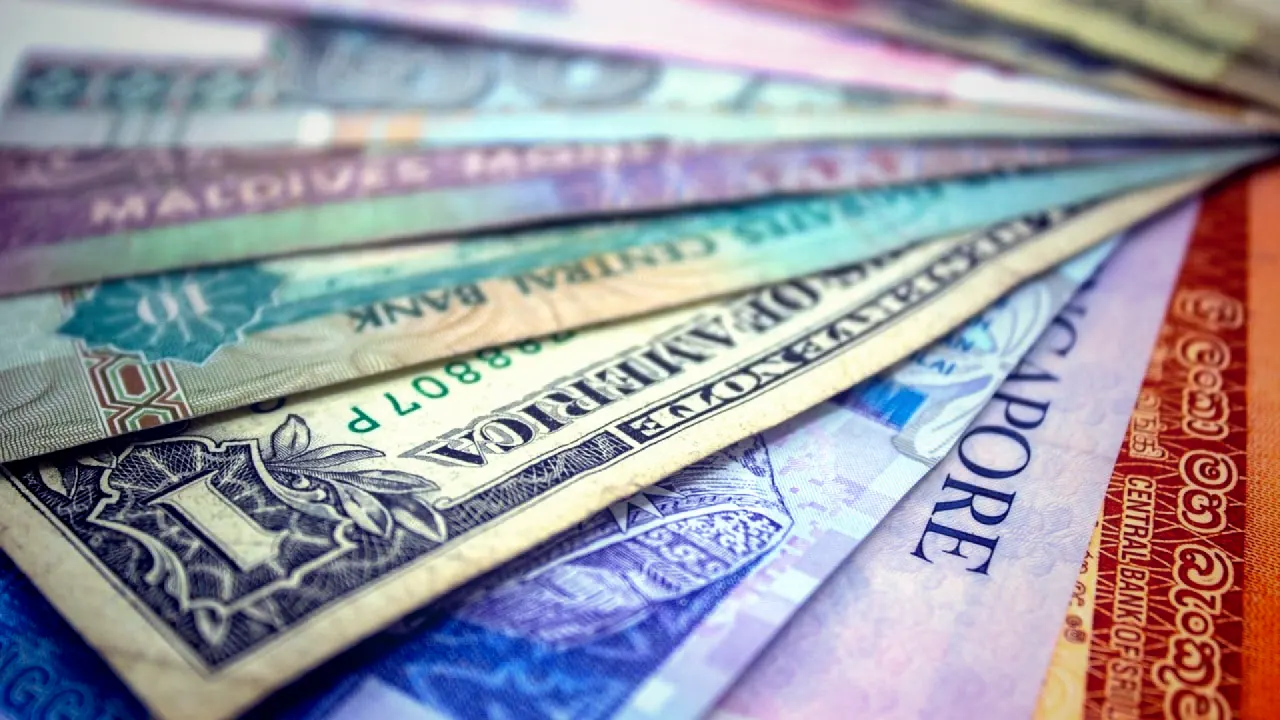
The Chinese yuan has seen significant appreciation, rising nearly 9% against the dollar over the past 20 months and reaching its strongest level in three and a half years. However, this surge is causing concern for the Chinese government, prompting the People's Bank of China (PBOC) to intervene and slow the currency's rally.
On August 25, the PBOC set its daily fixing midpoint significantly below market expectations, deviating by 633 pips, signaling its intent to cool the yuan's appreciation. This intervention comes as domestic demand remains weak, and a stronger yuan threatens the competitiveness of Chinese exports, which are vital for the economy's growth.
The mechanics of the yuan's management involve the PBOC setting a daily midpoint for the currency, allowing onshore trading to fluctuate within a specific band. In August, the average daily turnover in the onshore spot market dropped to $31.2 billion, a notable decline from $42.2 billion in July, indicating reduced market activity.
While a stronger yuan benefits consumers and importers by making foreign goods cheaper, it poses challenges for exporters, who face increased prices in foreign markets. With the export sector generating a trade surplus exceeding $1 trillion, the Chinese economy is at a crossroads, struggling with weak consumer spending and investment.
Analysts predict that the dollar/yuan exchange rate could settle around 6.68 by year-end, suggesting limited room for further appreciation. This forecast hinges on the continued strength of China's exports, but the decline in market turnover raises concerns about liquidity and potential volatility in the yuan's value.
FAQ
Why is the Chinese yuan appreciating against the dollar?
The Chinese yuan has appreciated nearly 9% against the dollar over the past 20 months due to various factors, including economic conditions and market expectations.
What actions is the People's Bank of China (PBOC) taking regarding the yuan's appreciation?
The PBOC has intervened by setting its daily fixing midpoint significantly below market expectations to slow the yuan's rally and maintain export competitiveness.
How does a stronger yuan affect Chinese exports?
A stronger yuan makes Chinese exports more expensive in foreign markets, which can threaten the competitiveness of these goods and impact the overall economy.
What does the decline in average daily turnover in the onshore spot market indicate?
The decline in average daily turnover from $42.2 billion in July to $31.2 billion in August indicates reduced market activity and may raise concerns about liquidity and volatility in the yuan's value.
What is the predicted dollar/yuan exchange rate by year-end?
Analysts predict that the dollar/yuan exchange rate could settle around 6.68 by year-end, depending on the strength of China's exports and market conditions.
Comments
Comments are moderated before publish.
No comments yet — be the first.