Coinbase Co-Founder Fred Ehrsam Pursues Venezuelan Oil Fields Amid Market Challenges
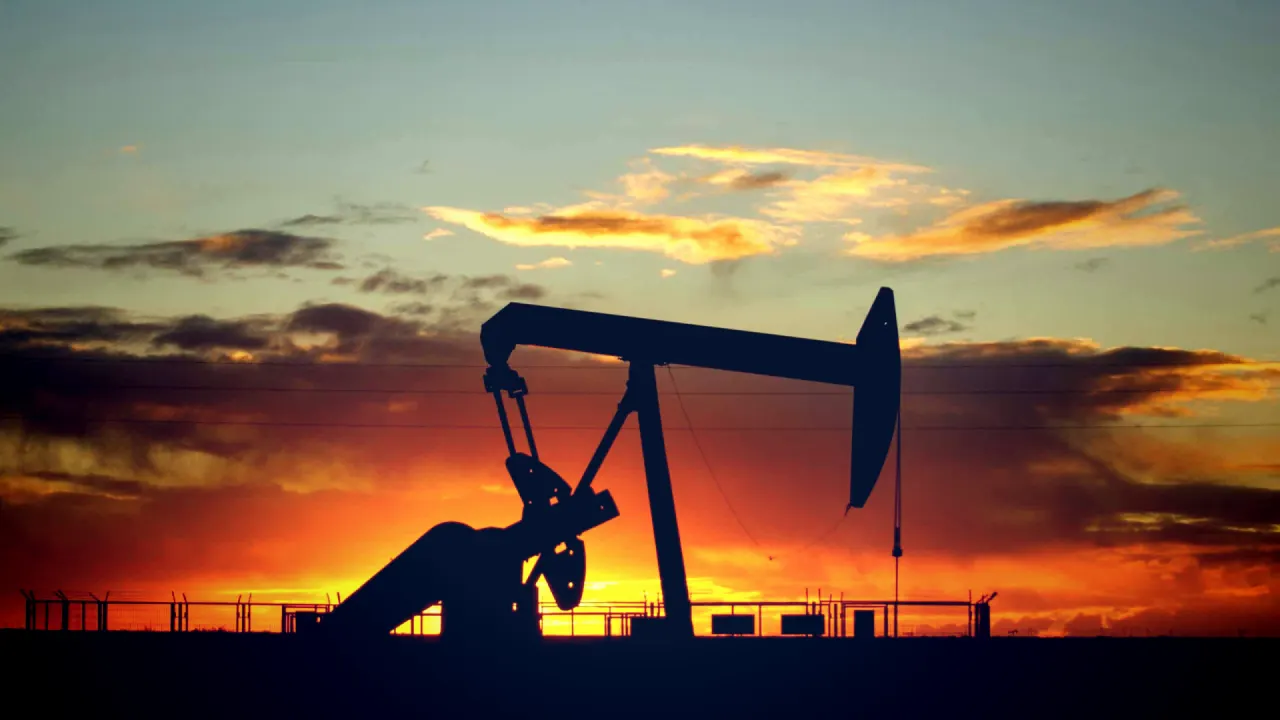
Fred Ehrsam, the co-founder of Coinbase, is reportedly in talks to gain control of at least three oil fields located in Venezuela's Orinoco Belt. This development follows reports that U.S. officials are contemplating stripping the current operator, Alvorada Heavy Industries, of its contracts.
Ehrsam has been actively visiting Venezuela since May, engaging in discussions that span oil, gas, fintech, and digital payments. His interest in Venezuelan oil fields is facilitated through Primavera, a company he co-founded to invest in the region. Although Ehrsam has not publicly commented on these negotiations, his involvement marks a significant intersection of the cryptocurrency and energy sectors.
Venezuela holds the world's largest proven oil reserves, totaling approximately 303 billion barrels, yet its production remains low, with only 783,000 barrels per day recorded in 2023. Analysts from Rystad Energy predict a modest recovery, estimating a 17% increase in output by late 2028.
Meanwhile, U.S. Energy Secretary Chris Wright's recent visit to Caracas aims to advance new energy agreements, which could reshape the landscape for American companies in Venezuela. The U.S. government has retained significant leverage by securing equity stakes in ventures and maintaining control over production agreements.
As the global oil market faces pressures, particularly with tensions in the Strait of Hormuz, the ability of Venezuelan crude to replace disrupted supplies remains uncertain. Current market indicators suggest a low probability of crude oil prices reaching new highs in the near term.
Updated 14:30 UTC
New Developments in Venezuelan Oil Production
- US Energy Secretary Chris Wright announced that China will not have debt claims on revenue from Venezuela’s new oil production.
- North American Blue Energy Partners has secured 100-year concessions on 17 oil fields previously operated by Chinese and Russian entities, holding an estimated 65 billion barrels of reserves.
- Venezuela has approximately 300 billion barrels of proven oil reserves, the largest in the world, with current production exceeding 1 million barrels per day.
- The target for production is to exceed 1.5 million barrels per day by mid-2027, representing a 50% increase.
- Chemron plans to invest over $7 billion over five years to increase its Venezuelan output to around 600,000 barrels per day.
- Wright's declaration removes China's historical lien on Venezuelan crude, allowing new production to flow to Western markets.
- US refiners are expected to benefit from redirected Venezuelan crude, which is well-suited for Gulf Coast refineries.
Updated 16:02 UTC
New Developments in Venezuela's Oil Sector
- US Energy Secretary Chris Wright visited Venezuela's Miraflores Palace on February 11, marking a significant diplomatic engagement since Nicolás Maduro's removal.
- Wright met with interim President Delcy Rodríguez to discuss energy cooperation and the future of Venezuela's oil sector.
- Chevron announced plans to invest over $100 million in upgrades to the Petropiar plant, part of the Orinoco Oil Belt, following the discussions.
- Venezuela holds the world's largest proven oil reserves, but production is currently around 1 million barrels per day due to years of mismanagement and sanctions.
- On January 29, 2026, Rodríguez signed an oil privatization reform law to attract foreign investment in the oil sector.
- The US strategy for Venezuela's oil sector involves three phases: stabilization, recovery, and transition, with sanctions relief linked to democratic governance milestones.
FAQ
Who is Fred Ehrsam and what is his connection to Coinbase?
Fred Ehrsam is the co-founder of Coinbase, a leading cryptocurrency exchange platform. He has been involved in various ventures in the fintech and digital payments sectors.
What is the significance of Ehrsam's interest in Venezuelan oil fields?
Ehrsam's interest in Venezuelan oil fields represents a notable intersection between the cryptocurrency and energy sectors. He is pursuing control of oil fields in Venezuela's Orinoco Belt through his company Primavera, amidst ongoing market challenges.
What challenges does the Venezuelan oil industry currently face?
Despite having the world's largest proven oil reserves, Venezuela's oil production remains low, with only 783,000 barrels per day recorded in 2023. The industry is also affected by U.S. sanctions and operational issues with current operators.
What are the predictions for Venezuelan oil production in the coming years?
Analysts from Rystad Energy predict a modest recovery in Venezuelan oil production, estimating a 17% increase by late 2028, although significant challenges remain.
How is the U.S. government involved in Venezuelan energy agreements?
The U.S. government has retained significant leverage in Venezuela by securing equity stakes in ventures and maintaining control over production agreements, which could influence the landscape for American companies operating in the region.
Comments
Comments are moderated before publish.
No comments yet — be the first.