Federal Reserve Raises Rates Amidst Trump's Dissent, Warsh Stays Independent
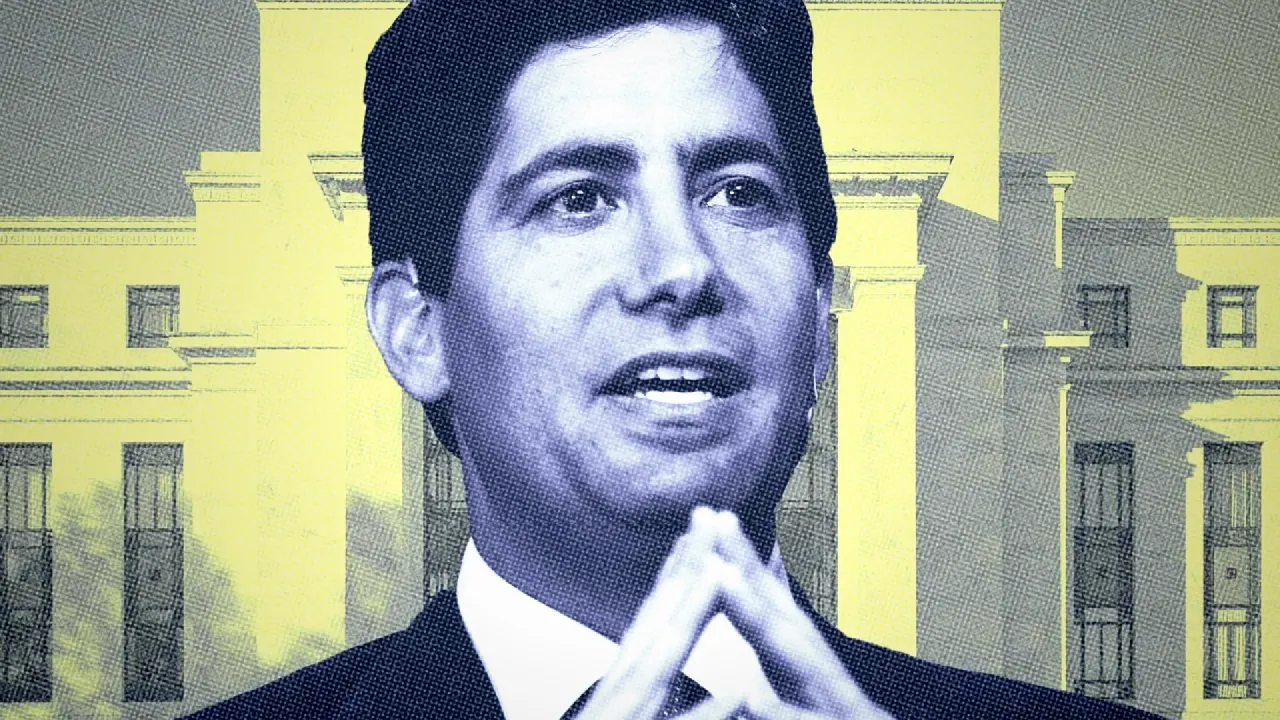
On September 16, 2026, the Federal Open Market Committee (FOMC) unanimously voted to raise the federal funds rate by 25 basis points, setting a target range of 3.75% to 4%. This decision, the first rate hike since 2023, directly contradicts former President Donald Trump's calls for rates to remain at 1% or lower.
Kevin Warsh, who became Fed Chair in May 2026, has prioritized market stability over political pressures, demonstrating his independence as a central banker. The groundwork for this decision was laid during the Jackson Hole Economic Symposium, where Warsh emphasized the Fed's commitment to its 2% inflation target, which has been missed for over five years.
Trump's reaction to the rate hike was critical, as he expressed a desire for lower borrowing costs but notably refrained from criticizing Warsh directly. This restraint may indicate a shift in political dynamics, potentially easing pressure on the Fed's leadership.
Market reactions have reflected this uncertainty, with Treasury yields rising following the rate hike. The unanimous vote from the FOMC suggests that Warsh effectively built internal consensus, projecting a strong resolve amidst a politically charged environment.
Looking ahead, market participants are now anticipating further rate hikes, with the likelihood of a 25 basis point increase in October rising to 46.5%. Observers will be closely monitoring upcoming economic data and Fed communications for insights into future monetary policy directions.
Updated 17:30 UTC
New Developments on Federal Reserve Policy
- The Federal Reserve raised the federal funds target range to 3.75%-4.00% on September 16, 2026, marking the first rate hike since 2023.
- The new Federal Reserve Chair is committed to maintaining central bank independence despite external pressures, indicating a potential for further rate increases to manage inflation.
- Market expectations for a rate hike at the upcoming October 2026 meeting have increased, with a current probability of 47.5% for a 25 basis point increase.
- Bitcoin pricing remains largely unaffected by the Fed's policy decisions, driven instead by crypto-specific factors.
- Upcoming economic indicators, including inflation and employment data, will be closely monitored as they could influence the Federal Reserve's decision-making process.
Updated 17:31 UTC
New Developments
On September 16, 2023, the Federal Reserve raised the federal funds rate by 25 basis points, setting the new target range at 3.75%–4.00%. This marked the first rate hike since 2023.
President Donald Trump expressed his discontent with the rate hike on Truth Social, advocating for interest rates to be at 1% or lower, and called for rapid rate cuts.
The Federal Open Market Committee (FOMC) vote was unanimous, with Fed Chair Kevin Warsh, appointed by Trump, voting in favor of the hike. Trump publicly suggested that Warsh should align with the board's decision.
Inflation rates have been fluctuating between 3.4% and 4.2%, influenced by energy price spikes due to ongoing geopolitical tensions, particularly related to Iran.
The Fed's decision to raise rates after a three-year pause indicates a belief that inflation risks are persistent rather than temporary.
The housing market is expected to feel the impact of this rate hike, as mortgage rates are closely tied to Treasury yields, which react to Fed policy changes.
FAQ
What was the recent decision made by the Federal Open Market Committee (FOMC)?
On September 16, 2026, the FOMC unanimously voted to raise the federal funds rate by 25 basis points, setting a target range of 3.75% to 4%.
How does this rate hike relate to former President Donald Trump's stance on interest rates?
The rate hike directly contradicts Trump's calls for rates to remain at 1% or lower, as he has expressed a desire for lower borrowing costs.
Who is Kevin Warsh and what role did he play in this decision?
Kevin Warsh is the Fed Chair who took office in May 2026. He prioritized market stability over political pressures and emphasized the Fed's commitment to its 2% inflation target during the Jackson Hole Economic Symposium.
What was the market reaction to the rate hike?
Following the rate hike, Treasury yields rose, reflecting market uncertainty about future monetary policy directions.
What are the expectations for future rate hikes?
Market participants are anticipating further rate hikes, with the likelihood of a 25 basis point increase in October rising to 46.5%.
Comments
Comments are moderated before publish.
No comments yet — be the first.