Federal Reserve's Warsh and Goolsbee Offer Diverging Views on Inflation Outlook
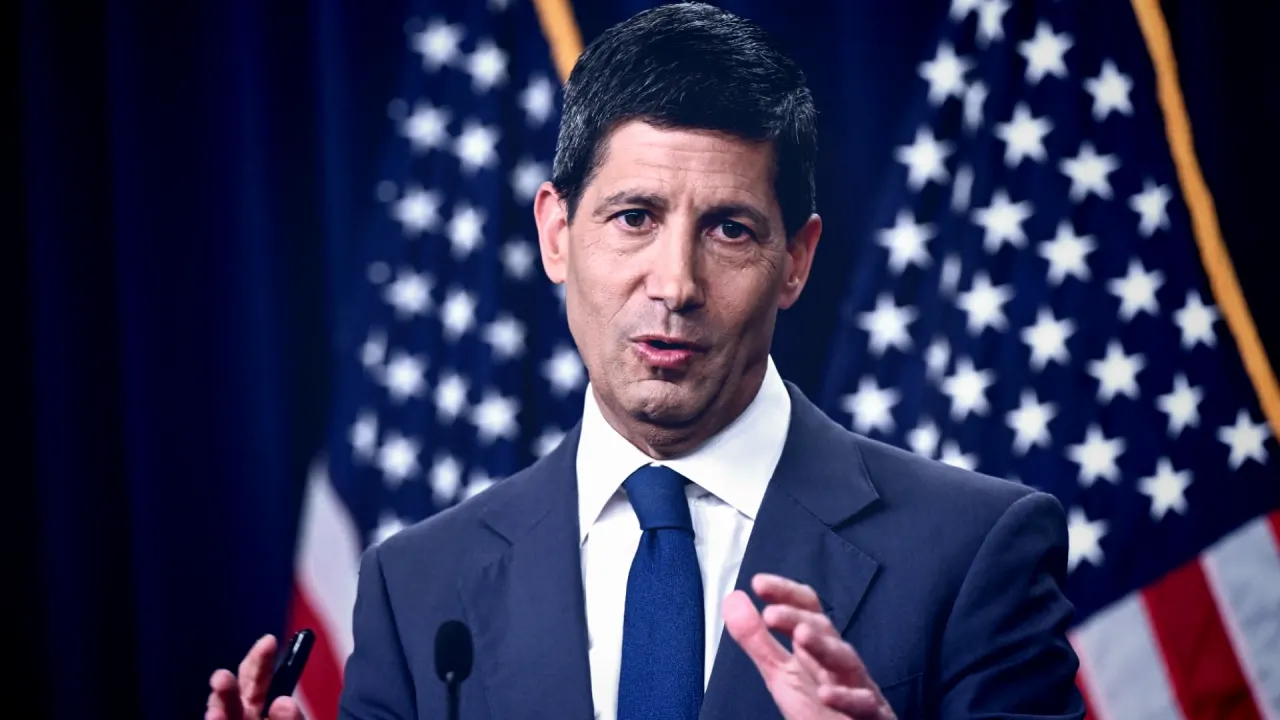
In recent statements, Federal Reserve officials Kevin Warsh and Austan Goolsbee have articulated contrasting views on the current inflation landscape, reflecting the complexities of monetary policy in a turbulent economic environment.
Warsh's Firm Stance on Inflation
Kevin Warsh, who has been serving as Fed Chair for only a few months, made headlines with his testimony before the House Financial Services Committee on July 14. He emphasized a strict approach to inflation, stating there is "no tolerance for persistently elevated inflation." This declaration signals a departure from the more lenient stance of his predecessor, indicating that the Federal Open Market Committee (FOMC) will treat the 2% inflation target as a hard target rather than an aspiration.
Warsh's remarks have led to a recalibration of market expectations regarding interest rates, with traders now pricing in potential rate hikes as early as September 2026. His commitment to a rigorous inflation policy is further underscored by plans to establish task forces that will review the Fed's economic assessments and communication strategies.
Goolsbee's Cautious Optimism
In contrast, Austan Goolsbee, president of the Federal Reserve Bank of Chicago, expressed a more tempered view on inflation during his remarks on August 14. While he acknowledged signs of moderation in inflation data, he stressed the need for sustained evidence before declaring a definitive shift toward the Fed's 2% target. The latest Consumer Price Index (CPI) data showed a slight decrease in year-over-year inflation, which Goolsbee interpreted as a positive development.
Despite this cautious optimism, Goolsbee has maintained a balanced approach, advocating against aggressive rate moves that could harm the economy. He has been closely monitoring external factors, such as tariffs and oil prices, which have historically influenced inflation trends.
Implications for Investors
The divergent perspectives of Warsh and Goolsbee highlight the challenges facing investors and policymakers alike. Warsh's hawkish stance may lead to increased borrowing costs, affecting fixed-income investments and equity markets, particularly growth stocks. Meanwhile, Goolsbee's cautious approach suggests that while there may be improvement, the path to achieving the Fed's inflation target remains fraught with uncertainty.
FAQ
What are the main differences between Warsh's and Goolsbee's views on inflation?
Kevin Warsh advocates for a strict approach to inflation with a zero tolerance for persistently elevated rates, while Austan Goolsbee expresses cautious optimism, acknowledging signs of moderation but emphasizing the need for sustained evidence before confirming a shift towards the Fed's 2% target.
What impact might Warsh's stance on inflation have on interest rates?
Warsh's firm stance has led to market expectations of potential interest rate hikes as early as September 2026, indicating a shift towards treating the 2% inflation target as a hard target rather than an aspiration.
How does Goolsbee's perspective influence monetary policy decisions?
Goolsbee's cautious approach suggests a reluctance to implement aggressive rate hikes, which could harm the economy, indicating that while there may be improvements in inflation, the path to achieving the Fed's target remains uncertain.
What external factors is Goolsbee monitoring that could affect inflation?
Goolsbee is closely monitoring external factors such as tariffs and oil prices, which have historically influenced inflation trends and could impact the overall economic outlook.
What are the implications of the differing views on investors?
The contrasting perspectives of Warsh and Goolsbee create challenges for investors, as Warsh's hawkish stance may lead to increased borrowing costs affecting fixed-income investments and equity markets, particularly growth stocks, while Goolsbee's cautious approach suggests ongoing uncertainty in achieving the Fed's inflation target.
Comments
Comments are moderated before publish.
No comments yet — be the first.