Geopolitical Tensions Highlight Bitcoin's Role as a Financial Bridge
Velina Tchakarova, a geopolitical strategist and founder of FACE (For A Conscious Experience), has articulated Bitcoin's emerging role as a 'third way' in the evolving global financial landscape. In a recent discussion, Tchakarova emphasized that the ongoing rivalry between the US and China is leading to the development of two distinct financial architectures: one dominated by the US dollar and stablecoins, and the other by state-controlled digital currencies like the digital yuan and digital ruble.
As these two powers solidify their financial systems, Bitcoin's decentralized nature positions it as a bridge between the two worlds. Tchakarova warns that Bitcoin may face increasing scrutiny and pressure from state actors as the global financial system becomes more polarized.
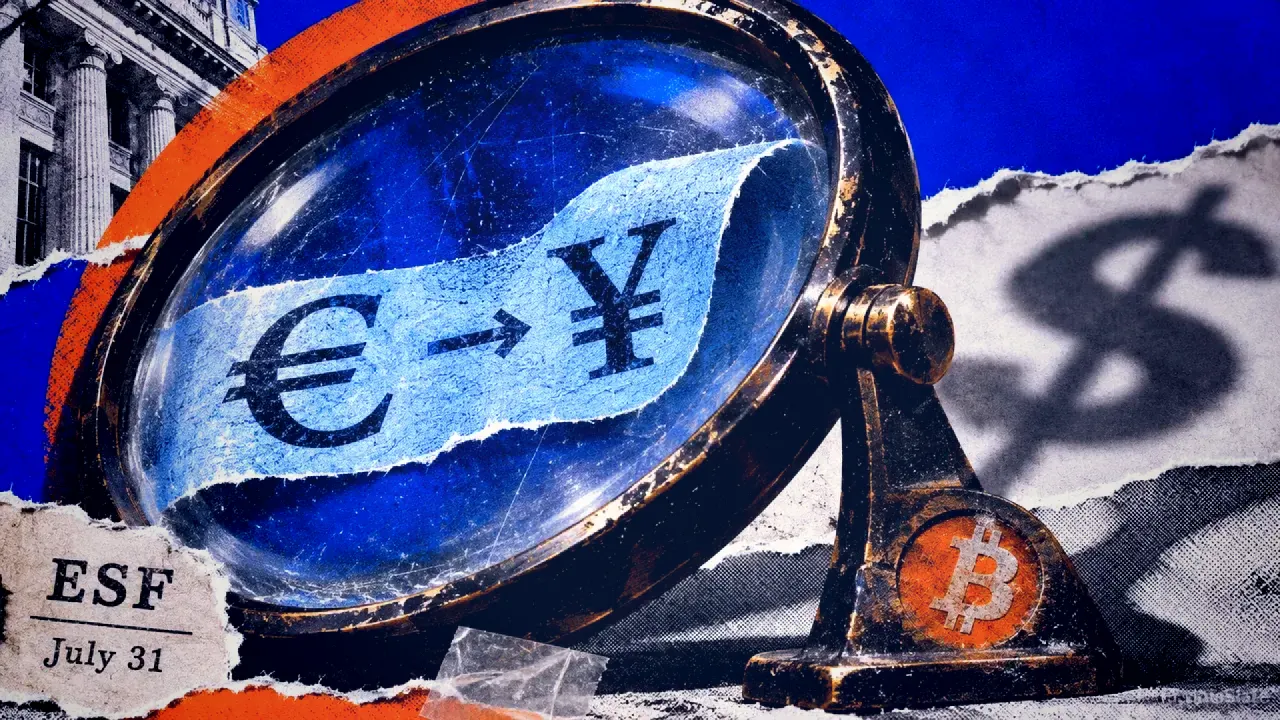
This commentary comes on the heels of a report indicating that recent yen interventions involved euros rather than dollars, raising concerns about leveraged yen borrowing and its implications for Bitcoin liquidity. These developments underscore the interconnectedness of geopolitical events and cryptocurrency markets.
FAQ
What is Bitcoin's role in the current geopolitical landscape?
Bitcoin is emerging as a 'third way' in the evolving global financial landscape, serving as a decentralized bridge between the US dollar-dominated financial architecture and state-controlled digital currencies like the digital yuan and digital ruble.
Why are geopolitical tensions between the US and China significant for Bitcoin?
The rivalry between the US and China is leading to the establishment of two distinct financial systems, which may increase scrutiny and pressure on Bitcoin as it operates outside of these state-controlled frameworks.
What are the implications of state-controlled digital currencies on Bitcoin?
As countries like China and Russia develop state-controlled digital currencies, Bitcoin may face challenges in terms of regulatory scrutiny and competition, potentially affecting its liquidity and adoption.
How do recent currency interventions relate to Bitcoin?
Recent interventions involving the yen and euros rather than dollars raise concerns about leveraged yen borrowing, which could impact Bitcoin's liquidity and its role in the global financial system.
What does Velina Tchakarova suggest about the future of Bitcoin?
Tchakarova suggests that as the global financial system becomes more polarized, Bitcoin's decentralized nature may become increasingly important, but it will also face greater scrutiny from state actors.
Comments
Comments are moderated before publish.
No comments yet — be the first.