Houthi Advances in Yemen Complicate U.S. Interests and Iran Negotiations
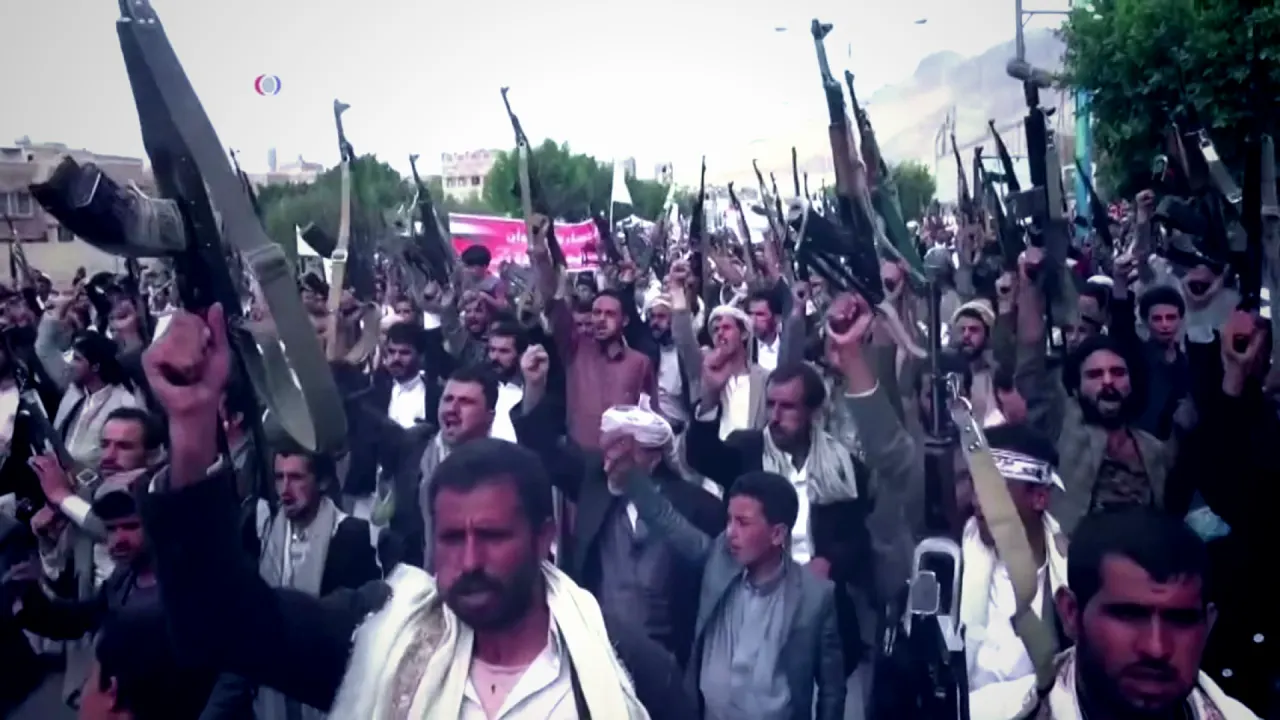
The Houthi movement’s recent advances in Yemen are creating strategic complications for the United States, particularly affecting U.S. interests in the Middle East. The Houthis, backed by Iran, have expanded their control along Yemen’s western coast, nearing the Bab al-Mandab Strait, a critical shipping route. This development presents a new challenge for President Donald Trump, as it may disrupt U.S. efforts to maintain stability in the region.
The conflict in Yemen, which had been under a fragile truce since 2022, has re-escalated, potentially complicating negotiations between the U.S. and Iran aimed at securing the Strait of Hormuz.
Key Takeaways
- The recent Houthi advances in Yemen appear to complicate U.S. diplomatic efforts with Iran, potentially reducing the likelihood of a quick resolution to the Hormuz agreement.
- Market activity suggests a decrease in confidence for a U.S.-Iran agreement by mid-September, with odds at 2.2% for a resolution by September 16.
- The situation in Yemen may indicate a broader geopolitical impact, affecting not only regional security but also international shipping routes.
What to Watch
- Observers should monitor any statements from President Trump or Iranian officials that could indicate shifts in the diplomatic landscape.
- Developments in the Yemen conflict, particularly around the Bab al-Mandab Strait, will be crucial in understanding the potential impact on U.S.-Iran negotiations.
- Additionally, any changes in market pricing or volume could suggest shifts in perceived likelihood of a resolution to the Strait of Hormuz issue.
FAQ
What are the recent developments regarding the Houthi movement in Yemen?
The Houthi movement has recently advanced its control along Yemen's western coast, nearing the Bab al-Mandab Strait, which is a critical shipping route.
How do the Houthi advances affect U.S. interests in the Middle East?
The Houthi advances complicate U.S. efforts to maintain stability in the region and may disrupt negotiations with Iran regarding the Strait of Hormuz.
What is the current status of the conflict in Yemen?
The conflict in Yemen has re-escalated after a fragile truce that lasted since 2022, indicating a potential increase in violence and instability.
What should observers watch for in relation to U.S.-Iran negotiations?
Observers should monitor statements from President Trump and Iranian officials, as well as developments in the Yemen conflict, particularly around the Bab al-Mandab Strait.
What do market activities suggest about the likelihood of a U.S.-Iran agreement?
Market activity indicates a decrease in confidence for a U.S.-Iran agreement by mid-September, with only a 2.2% chance of resolution by September 16.
Comments
Comments are moderated before publish.
No comments yet — be the first.