Houthis Capture Mokha Port, Heightening Tensions in Yemen and Regional Shipping
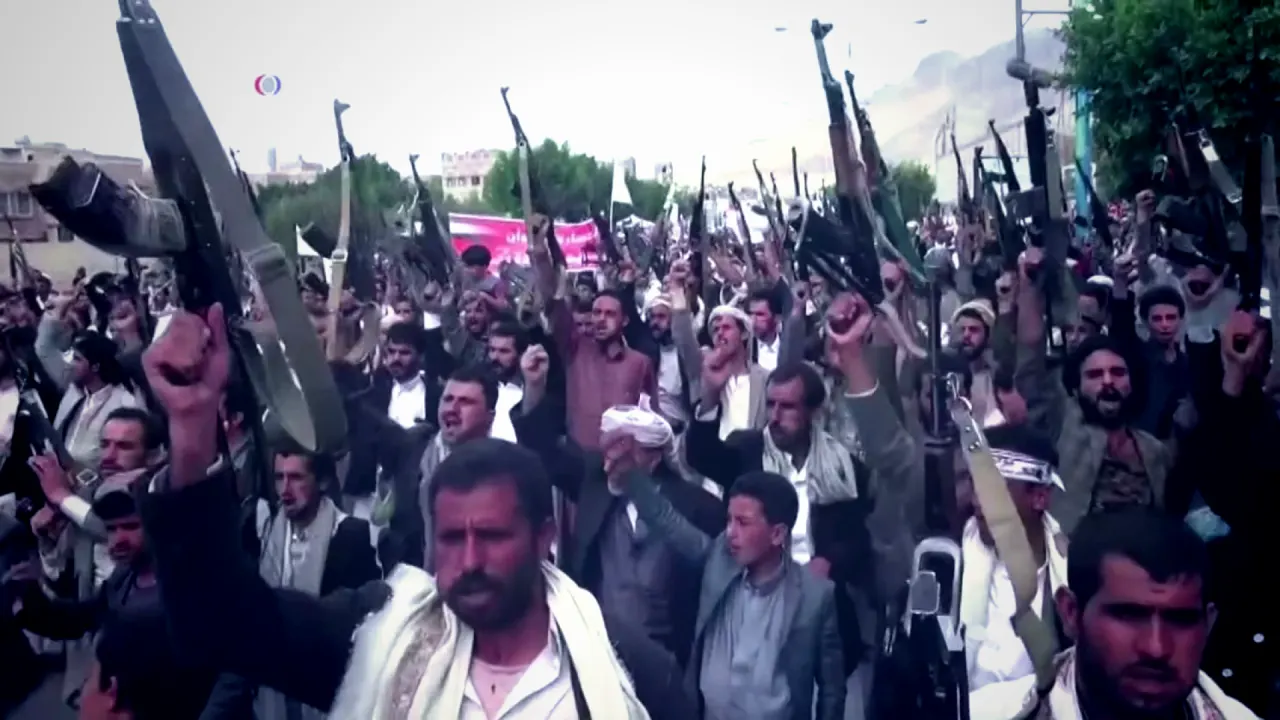
Yemen’s Houthi rebels have seized control of the port city of Mokha, as reported by the New York Times. Mokha, situated in the Taiz governorate, is a key Red Sea port near the Bab al-Mandeb Strait, a vital maritime chokepoint for international shipping.
This development is part of the ongoing civil war in Yemen, where the Houthis are engaged in conflict against the Yemeni government and a Saudi-led coalition. The capture of Mokha’s port could significantly disrupt coastal supply routes and maritime access, potentially escalating tensions in the region.
The implications of this seizure extend beyond Yemen, as it may affect regional stability, particularly concerning maritime security in adjacent areas. Observers are already noting a decrease in the probability of normal traffic conditions in the Strait of Hormuz, a critical passage for global oil shipments, with market pricing indicating a drop from 18% to 14.5% for a return to normalcy by December 31.
Key Takeaways
- The Houthi control of Mokha suggests increased instability in Yemen, impacting regional dynamics.
- Market pricing reflects decreased confidence in the Strait of Hormuz traffic returning to normal soon.
- Control over Mokha’s port may escalate tensions and affect global shipping lanes.
What to Watch
- Responses from the Yemeni government and the Saudi-led coalition regarding the Houthi advance.
- Potential military or diplomatic actions to reclaim the port, which could influence regional stability.
- Changes in naval operations or shipping activities in the Strait of Hormuz, critical for assessing traffic normality.
- The actions of key regional players, including Iran and Saudi Arabia, in the coming weeks.
Updated 12:00 UTC
New Developments in Yemen Conflict
- On September 8, 2023, Yemen's Houthi militia launched a series of drone and ballistic missile strikes targeting civilian areas and critical oil infrastructure in southern Saudi Arabia.
- The attacks resulted in 73 injuries, including women and children, and caused significant fires at Saudi Aramco facilities, leading to temporary operational shutdowns.
- Brent crude oil prices surged to $99 per barrel, marking the highest level since July 2026 and approaching the psychologically significant $100 mark.
- Houthi spokesman Yahya Saree claimed the strikes were retaliatory against prior Saudi airstrikes on Yemeni territory.
- In response to the Houthi attacks, Saudi Arabia conducted 54 airstrikes within 12 hours on September 9 and 10, escalating the conflict further.
- The UN-brokered ceasefire established in 2022 has effectively collapsed, with UN officials warning of reduced prospects for political resolution.
- The recent escalation poses a renewed threat to the Red Sea shipping corridor, which has already faced dangers from Houthi attacks on commercial vessels.
- The Houthi attacks are now linked to the broader 2026 Iran conflict, involving various regional actors including the US and Israel.
Updated 12:01 UTC
New Developments in Yemen's Houthi Conflict
- The Houthis are reportedly increasing their involvement in the Iran conflict, raising regional tensions.
- Since 2014, the Houthis have been in conflict with Yemen’s internationally recognized government and Saudi Arabia.
- Recent actions include the use of missiles and drones, expanding the conflict into cross-border warfare.
- Market analysis indicates a 6.5% chance of the Iranian regime falling before 2027.
- Key players such as the Islamic Revolutionary Guard Corps (IRGC) may significantly influence the conflict's trajectory.
- Observers are closely watching for further escalations and their impact on regional stability.
FAQ
What recent event has occurred in Mokha, Yemen?
Yemen’s Houthi rebels have seized control of the port city of Mokha, which is a key Red Sea port near the Bab al-Mandeb Strait.
Why is the capture of Mokha significant?
The capture of Mokha’s port is significant because it could disrupt coastal supply routes and maritime access, potentially escalating tensions in the region.
How might the situation in Mokha affect global shipping?
The control over Mokha’s port may escalate tensions and affect global shipping lanes, particularly in the Strait of Hormuz, which is critical for oil shipments.
What are the implications for regional stability following the Houthi control of Mokha?
The implications include increased instability in Yemen, potential military or diplomatic actions from the Yemeni government and the Saudi-led coalition, and changes in naval operations in the region.
What are observers noting about traffic conditions in the Strait of Hormuz?
Observers are noting a decrease in the probability of normal traffic conditions in the Strait of Hormuz, with market pricing indicating a drop in confidence for a return to normalcy by December 31.
Comments
Comments are moderated before publish.
No comments yet — be the first.