Iran and Oman Discuss Diplomatic Conditions Amid Ongoing U.S. Crisis
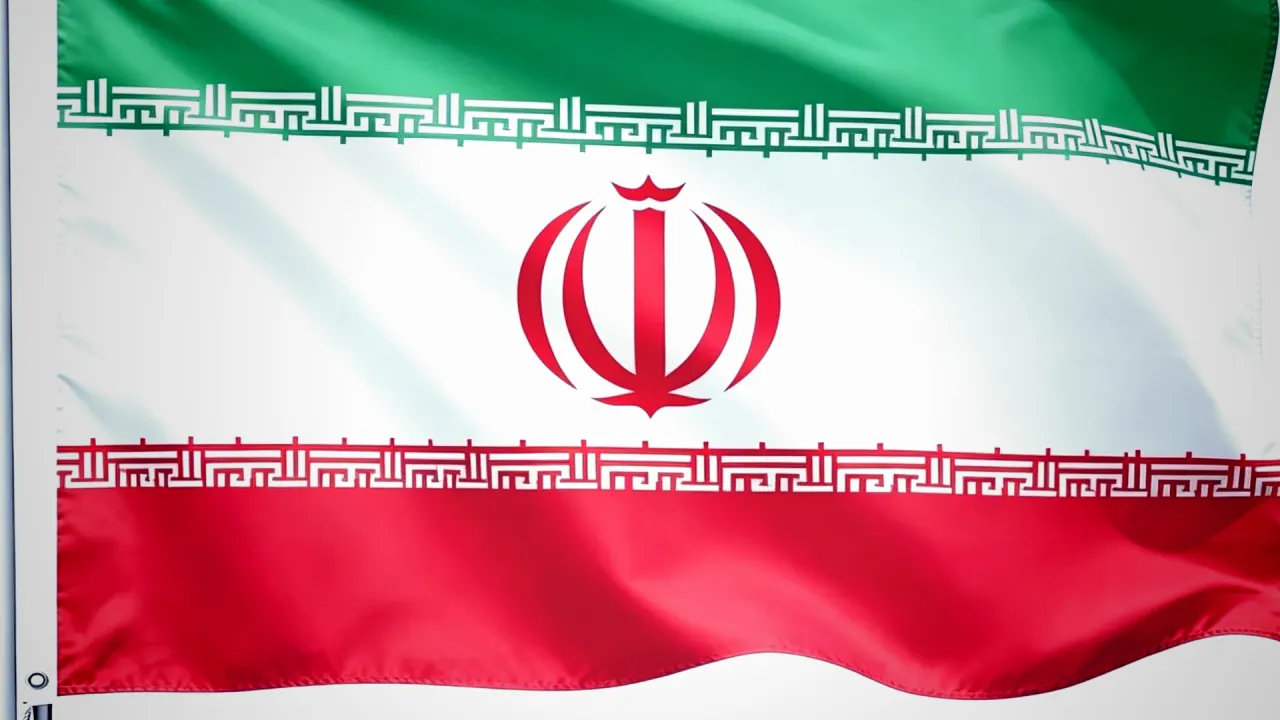
Iranian Foreign Minister Seyed Abbas Araghchi and Omani counterpart Badr bin Hamad Al Busaidi have held a phone conversation to discuss the conditions necessary for resuming diplomatic talks between Iran and the United States. This dialogue comes amidst ongoing mediation efforts related to the Iran-U.S. crisis, which escalated earlier this year.
Oman has historically played a crucial role in facilitating backchannel communications between the two nations. The recent call indicates a continued commitment to diplomatic engagement, albeit indirectly, as direct talks have yet to resume. Both parties appear to be exploring potential pathways for re-engagement, focusing on conditions that could enable formal negotiations.
Key Takeaways
- The call suggests ongoing diplomatic efforts to mediate the Iran-U.S. crisis.
- Market pricing indicates a slight increase in the likelihood of U.S.-Iran talks, though skepticism remains about an imminent breakthrough.
- Observers are awaiting official statements from the U.S. or Iranian governments regarding the resumption of talks.
Any official announcement of a meeting date or joint statement from mediators could signal progress, while increased military activity might reinforce skepticism about the talks.
Updated 19:00 UTC
New Developments in Iran and Oman Diplomatic Relations
Iranian Navy Commander Rear Admiral Shahram Irani has asserted that the waters east of the Strait of Hormuz and the Gulf of Oman are under complete Iranian control. This declaration comes amid ongoing tensions and negotiations involving Iran, the United States, and Oman regarding maritime routes through the strategically significant Strait of Hormuz.
The region has experienced a slowdown in shipping traffic due to recent conflicts and diplomatic disputes, making this assertion a potential flashpoint. Markets are interpreting this statement as a hardening of Iran’s stance, which could reduce the likelihood of a diplomatic resolution with Oman and escalate military posturing in the region.
Key Takeaways:
- The probability of a finalized Iran-Oman Hormuz management agreement has dropped to 9.5% from 17% within 24 hours.
- This statement aligns with increased military tensions and reduced diplomatic engagement in the area.
What to Watch:
- Upcoming statements from Iranian and Omani officials regarding joint announcements or shifts in diplomatic tone.
- Any indications of resumed talks or decreased military activity could support a potential agreement.
- Further military actions or stalled negotiations would likely reinforce current market trends regarding the declining probability for an agreement.
FAQ
What was the purpose of the phone conversation between Iran and Oman?
The phone conversation aimed to discuss the conditions necessary for resuming diplomatic talks between Iran and the United States amid ongoing mediation efforts related to the Iran-U.S. crisis.
What role has Oman played in the Iran-U.S. relations?
Oman has historically facilitated backchannel communications between Iran and the United States, acting as a mediator in diplomatic efforts.
What are the current sentiments regarding the likelihood of U.S.-Iran talks?
Market pricing indicates a slight increase in the likelihood of U.S.-Iran talks, but there remains skepticism about an imminent breakthrough.
What are observers waiting for in relation to the Iran-U.S. talks?
Observers are awaiting official statements from the U.S. or Iranian governments regarding the resumption of talks, as well as any announcements of meeting dates or joint statements from mediators.
What could indicate progress in the diplomatic talks between Iran and the U.S.?
Official announcements of meeting dates or joint statements from mediators could signal progress, while increased military activity might reinforce skepticism about the talks.
Comments
Comments are moderated before publish.
No comments yet — be the first.