Iran and Oman Move Towards Agreement on Strait of Hormuz Shipping Routes
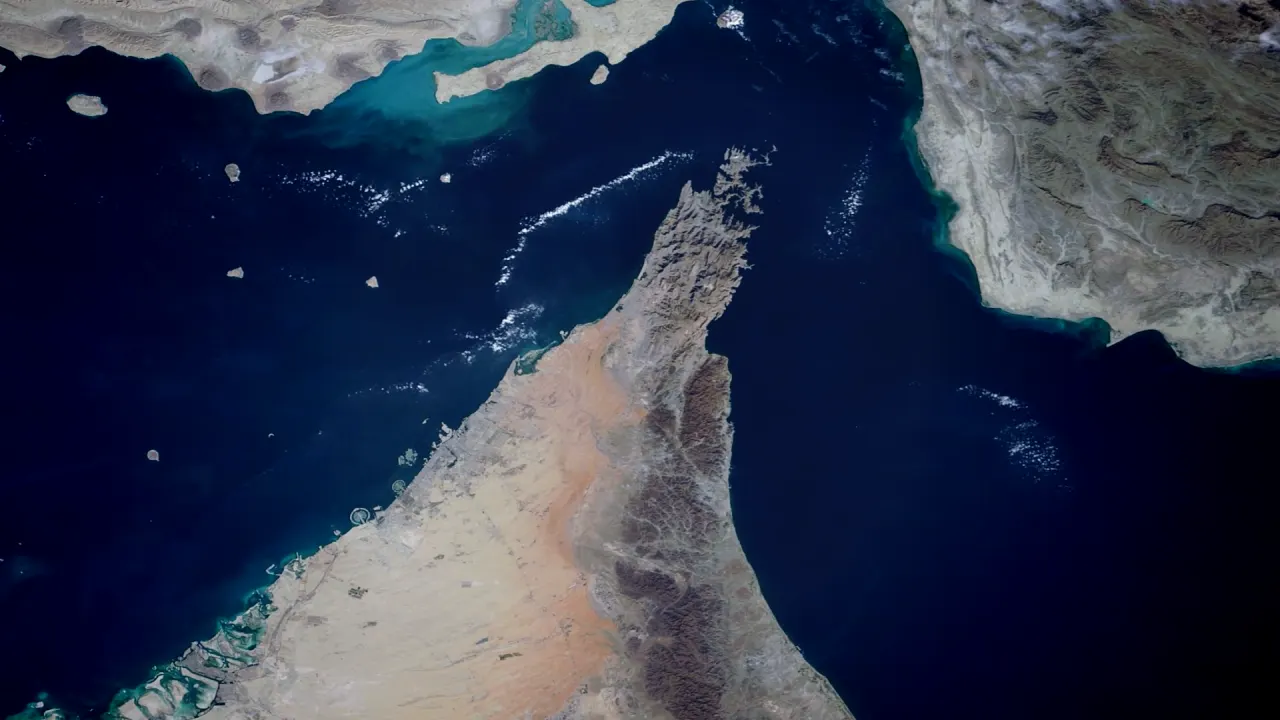
Iran has announced that it is close to finalizing an agreement with Oman regarding the management of shipping routes in the Strait of Hormuz. This potential agreement arises amid ongoing regional tensions, with Oman acting as a mediator between Tehran and Washington.
Recent disruptions in the Strait have had a notable impact on commercial transit, making this agreement a possible step towards de-escalation. However, the completion of the deal is still dependent on further diplomatic negotiations and confirmations.
Market sentiment reflects cautious optimism, with the probability of the “Iran-Oman Hormuz Agreement by August 31” currently estimated at 32%. This marks a slight increase from the previous day, suggesting a modest impact on market expectations regarding an imminent announcement. Longer-term contracts, such as those resolving by September 30, indicate a higher probability of 61% for a YES resolution, reflecting greater confidence in the eventual completion of the deal.
The nearly finalized agreement could signify a shift from the recent volatility in the Strait of Hormuz towards a more stable, albeit limited, diplomatic arrangement. However, market participants are awaiting further confirmation and official statements from the involved parties to fully adjust their expectations.
Key Takeaways
- The announcement of a near-finalized agreement suggests progress in managing shipping routes in the Strait of Hormuz.
- Market pricing indicates a 32% likelihood of a finalized deal by August 31, with greater confidence reflected in longer-term expectations.
- Observers will be monitoring for official announcements from Iran and Oman that could impact market sentiment.
Updated 16:34 UTC
New Developments
- President Donald Trump announced on August 17, 2026, that there is no definitive timeline for ending the US war with Iran, which has lasted nearly six months.
- The conflict began on February 28, 2026, with joint US-Israeli military strikes against Iran, referred to as "Operation Epic Fury" by the US and "Operation Roaring Lion" by Israel.
- The war has resulted in a series of military strikes, blockades, and failed ceasefire attempts, with a memorandum of understanding aimed at peace negotiations expiring in June 2026.
- The Strait of Hormuz is a critical point in this conflict, with approximately 20% of the world's oil passing through it daily, contributing to rising oil prices amid military operations.
- Gulf allies, including Saudi Arabia and the UAE, have urged the US to reconsider its military actions in the region.
- Analysts have criticized the prolonged conflict as a miscalculation, highlighting Iran's resilience against military strikes.
Updated 16:35 UTC
Latest Developments on Iran Conflict
US President Donald Trump has indicated he is not in a hurry to end the ongoing conflict with Iran, which complicates peace prospects in the region. This statement comes amid a fragile ceasefire and heightened military tensions, particularly around the Strait of Hormuz.
The conflict, which began in 2026, has involved significant military actions, including airstrikes and maritime disruptions. Trump's remarks suggest that a prolonged conflict may be on the horizon, potentially affecting the chances of a peace deal that includes reconstruction funding for Iran.
Market sentiment reflects skepticism regarding a US-Iran deal, with a current probability of only 25% for a deal that includes reconstruction funding. Recent market movements show a decrease in confidence, highlighted by a 3-point drop in the YES probability earlier today.
Key actors to watch include Trump, Javad Zarif, and mediators from Qatar and Pakistan, as any military escalations or diplomatic breakthroughs could significantly impact market perceptions.
Updated 17:31 UTC
Recent Developments in the Strait of Hormuz
- The U.S. Central Command enforced a maritime blockade on August 17, diverting 64 merchant vessels.
- Three ships were rendered inoperable for non-compliance, and two vessels were boarded to ensure adherence to the blockade.
- This blockade is part of a strategy to maintain control over the Strait of Hormuz amid rising tensions with Iran.
- Market pricing currently reflects an 11.5% confidence in a return to normal traffic levels by September 30.
- Prolonged instability in maritime operations is anticipated, which may impact global shipping dynamics.
- Key figures such as Iran’s President Masoud Pezeshkian and U.S. Secretary of State Marco Rubio may influence perceptions regarding the blockade's duration.
- Monitoring maritime traffic data and security indications will be crucial for assessing the situation in the Strait of Hormuz.
Updated 17:31 UTC
Recent Developments in the Strait of Hormuz
Iran has seized a tanker owned by the United Arab Emirates in the Strait of Hormuz, marking a significant escalation in maritime tensions in the region. This incident is part of a broader pattern of Iranian actions targeting UAE-linked vessels throughout 2026, transforming the strait into a contested military zone.
Earlier this year, Iranian forces seized a vessel off Fujairah, and in August, drone and missile strikes were reported on at least two oil tankers operated by the Abu Dhabi National Oil Company (ADNOC). The UAE government has labeled these actions as piracy, which carries legal implications under international maritime law.
The Strait of Hormuz is critical for global oil trade, with approximately 20% of all oil passing through this passage. Iran's interference in this flow introduces a risk premium on crude oil prices worldwide, highlighting the geopolitical significance of the region.
Updated 18:03 UTC
Latest Developments
Oman has intensified its efforts to manage an oil spill from the stranded tanker Caroline Bezengi, which is carrying Russian crude and is grounded off the coast of Oman’s Dhofar/Hallaniyat Islands.
The spill has reached the mainland coast, prompting Omani authorities to focus on containment to mitigate environmental damage.
This incident began after an explosion on the tanker, which was initially categorized as a maritime security event but has escalated into a serious environmental emergency.
Market pricing indicates a decrease in the likelihood of traffic normalization through the Strait of Hormuz by September 30, suggesting potential disruptions to maritime traffic.
Omani authorities are expected to provide updates on the effectiveness of containment measures and any changes in the environmental impact.
Updated 18:31 UTC
New Developments in Strait of Hormuz Negotiations
- Turkey is actively mediating discussions between the US and Iran regarding the reopening of the Strait of Hormuz.
- The Strait of Hormuz is critical, carrying approximately 20% of the world's crude oil exports, and has faced significant restrictions since the onset of conflict.
- The International Energy Agency has reported that the supply disruptions caused by the conflict are the largest in oil market history.
- The current crisis began on February 28, 2026, following US-Israeli military strikes on Iran, leading to an open confrontation.
- Turkey's Foreign Minister Hakan Fidan has emphasized the need for a diplomatic agreement before any technical work on reopening the strait can commence.
- Iran and Oman are reportedly collaborating on temporary routing coordinates, indicating some operational planning is in progress.
- Despite the willingness to negotiate temporary openings for oil shipments, commercial traffic through the Strait of Hormuz remains heavily restricted.
- Oman's involvement in the negotiations highlights its role in facilitating sensitive communications between the US and Iran over the past two decades.
Updated 18:32 UTC
Recent Developments on the Strait of Hormuz
In a recent statement, the President of the United States suggested declaring the Strait of Hormuz a territory to assert greater control over the strategic waterway. This remark comes amid ongoing tensions between the U.S. and Iran concerning the strait, a critical channel for global oil and LNG traffic.
The President’s comments could indicate a shift towards a more confrontational approach, potentially impacting ongoing negotiations aimed at resolving the standoff in the region. The suggestion of declaring the strait a territory implies an escalation in U.S. efforts to exert control over the disputed and heavily militarized shipping lane.
Market pricing suggests a decrease in confidence for a quick resolution, with YES outcomes for an agreement by August 31 currently priced at 12%. The remark could reflect an increased risk of further military posturing or escalations in the region, impacting future negotiations.
Market participants will be closely monitoring any official statements from the White House or the Iranian Foreign Ministry that could indicate shifts in diplomatic posture. The involvement of key actors such as Iran’s Foreign Minister Abbas Araghchi and CENTCOM will be crucial in assessing the likelihood of an agreement.
Developments such as joint statements, ceasefire extensions, or new military actions could all significantly impact market pricing and the potential for a resolution. The next two weeks are critical as the August 31 deadline approaches for a potential agreement.
FAQ
What is the purpose of the agreement between Iran and Oman?
The agreement aims to manage shipping routes in the Strait of Hormuz, which has experienced disruptions affecting commercial transit.
What role is Oman playing in the negotiations between Iran and the U.S.?
Oman is acting as a mediator between Tehran and Washington, facilitating discussions to reduce regional tensions.
What is the current market sentiment regarding the Iran-Oman agreement?
Market sentiment reflects cautious optimism, with a 32% probability of the agreement being finalized by August 31, and a higher 61% probability for longer-term contracts resolving by September 30.
What impact could the agreement have on the Strait of Hormuz?
The nearly finalized agreement could lead to a more stable diplomatic arrangement in the Strait of Hormuz, potentially reducing recent volatility.
What are observers waiting for before adjusting their expectations?
Observers are awaiting further confirmation and official statements from Iran and Oman regarding the agreement to fully adjust their market expectations.
Comments
Comments are moderated before publish.
No comments yet — be the first.