Iran Closes Strait of Hormuz Amid U.S. Negotiation Stalemate
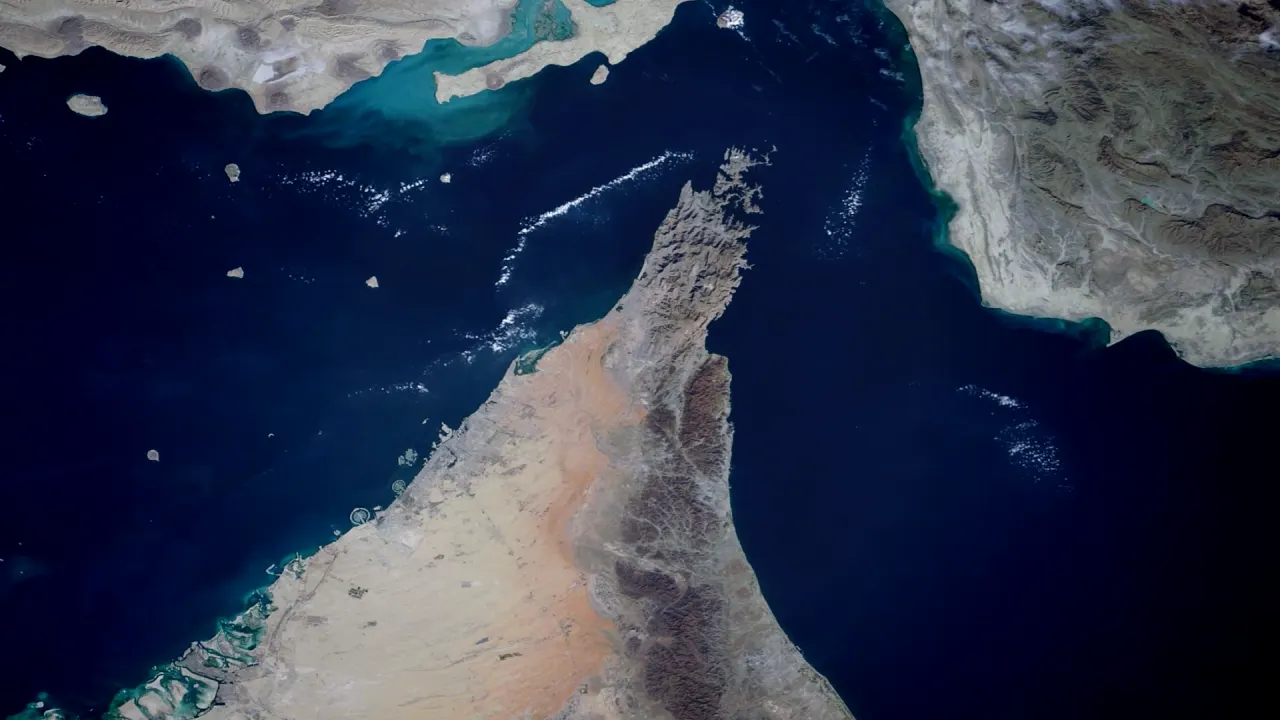
Iranian parliamentary speaker Mohammad Bagher Ghalibaf has declared that the Strait of Hormuz will remain closed until the United States fulfills its obligations from a June agreement. This announcement marks a significant escalation in the ongoing tensions between the two countries, which have been engaged in delicate negotiations regarding this strategic waterway.
The Strait of Hormuz is a critical passage for global oil shipments and has been a focal point of geopolitical tensions that affect international trade dynamics. Ghalibaf’s decree complicates the prospects for a U.S.-Iran agreement aimed at restoring normal traffic through the Strait, which is essential for broader diplomatic efforts.
Key Takeaways
- Ghalibaf’s announcement has reduced the likelihood of a U.S.-Iran agreement to restore traffic through the Strait in the near term.
- Market pricing indicates a 25% decrease in the probability of an agreement, reflecting increased geopolitical tensions.
- The odds for a U.S.-Iran agreement by mid-September and early October have diminished, highlighting skepticism about a quick resolution.
What to Watch
- Responses from the U.S. administration and potential diplomatic interventions by Oman or other regional actors will be crucial.
- If an agreement is reached to open the Strait, it could shift current market sentiment.
- Further escalations or military posturing may reinforce market perceptions of a decreased likelihood of agreement.
- Statements from key figures such as U.S. President Donald J. Trump or Iranian Foreign Minister Abbas Araghchi may provide insights into the negotiation direction.
Updated 11:30 UTC
New Developments in U.S.-Iran Tensions
The United States and Iran engaged in significant military exchanges on September 1, marking the most intense conflict in months. U.S. Central Command targeted multiple Islamic Revolutionary Guard Corps (IRGC) sites near the Strait of Hormuz, resulting in civilian casualties, including at least five deaths and numerous injuries at a wedding gathering in Sirik.
In retaliation, Iran launched 13 ballistic missiles aimed at U.S. facilities in Jordan and Iraq, with most being intercepted by American defense systems. Iranian officials claimed successful strikes on multiple targets, though this has not been confirmed by Washington.
President Trump issued a stern warning to Iran, stating that further retaliation would lead to significantly intensified military responses, threatening the very existence of the Islamic Republic of Iran.
The Strait of Hormuz remains a critical maritime chokepoint, with approximately one-fifth of the world's oil supply passing through it. The recent military actions have prompted shipping companies to reroute vessels to avoid the area, increasing transit times and costs.
Updated 11:31 UTC
Pentagon Faces Challenges in Iran Conflict
As of October 2023, six months into Operation Epic Fury, the US military is experiencing significant shortages in weapons, leadership, and public trust. The conflict with Iran, which began on February 28, 2026, has severely depleted missile defense stockpiles, with Patriot interceptor inventories dropping from approximately 2,300 to between 759 and 827, representing a loss of about 65%.
THAAD interceptors have also decreased to around 60% of their original capacity, leading to a "window of vulnerability" in US stockpiles, as described by the Center for Strategic and International Studies. This situation compromises the military's ability to respond to potential second conflicts.
The Pentagon has requested expedited manufacturing plans from defense contractors within 21 days of the conflict's onset, but the complexity of the supply chains for Patriot and THAAD systems means that production timelines are measured in years.
Leadership within the Pentagon has also been affected, with Army Chief of Staff Gen. Randy George dismissed in April 2026 and Army Secretary Dan Driscoll resigning shortly before recent assessments. The Army now has only five active four-star generals, down from ten at the start of 2025.
Moreover, the Pentagon has conducted only eight press briefings since the war began, a significant reduction compared to previous military engagements, raising concerns about transparency and public communication.
Updated 11:31 UTC
New Developments
Leaked documents reveal that Russia is secretly aiding Iran in the development of supersonic cruise missiles, indicating a deepening military-technical partnership between the two nations amidst ongoing geopolitical tensions.
This collaboration reportedly involves advanced propulsion and strike technologies that could enhance missile survivability against defenses, marking a significant escalation in military capabilities.
While there is no confirmation of any Russian-assisted missiles being deployed, the information aligns with the broader pattern of military cooperation between Russia and Iran.
Market reactions suggest an increased likelihood of a NATO-Russia military clash, with a moderate rise in related market pricing following the revelation.
Observers are closely monitoring for any official responses from Russia or Iran regarding these leaked documents, as developments in their military relationship could further influence perceptions of regional stability.
FAQ
Why has Iran closed the Strait of Hormuz?
Iran has closed the Strait of Hormuz until the United States fulfills its obligations from a June agreement, as stated by Iranian parliamentary speaker Mohammad Bagher Ghalibaf.
What is the significance of the Strait of Hormuz?
The Strait of Hormuz is a critical passage for global oil shipments and is a focal point of geopolitical tensions that affect international trade dynamics.
How has the closure of the Strait affected U.S.-Iran negotiations?
Ghalibaf's announcement has reduced the likelihood of a U.S.-Iran agreement to restore traffic through the Strait, with market pricing indicating a 25% decrease in the probability of an agreement.
What are the potential consequences of the closure?
The closure complicates broader diplomatic efforts and may lead to further escalations or military posturing, impacting market perceptions and international relations.
What should we watch for in the coming weeks regarding this situation?
Responses from the U.S. administration, potential diplomatic interventions by regional actors, and statements from key figures will be crucial in determining the direction of negotiations and market sentiment.
Comments
Comments are moderated before publish.
No comments yet — be the first.