Iran Rejects US Claims on Strait of Hormuz Oil Traffic Amid Ongoing Tensions
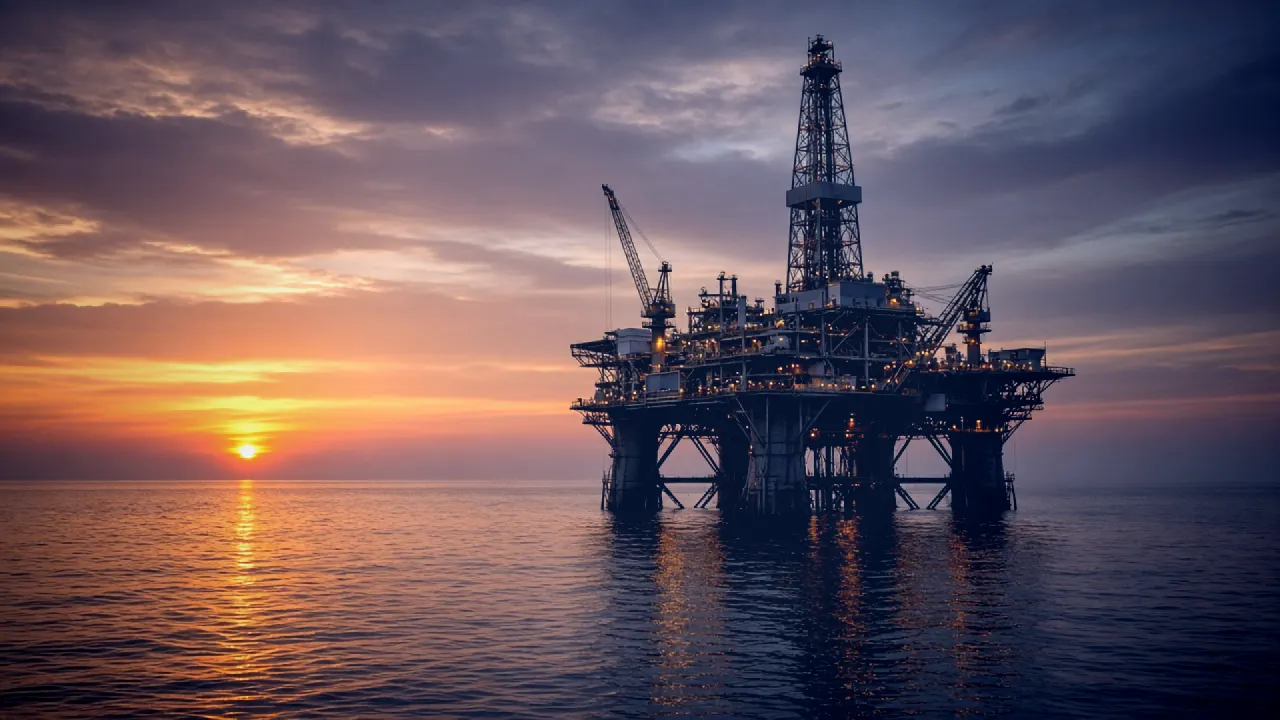
Iran's security apparatus has firmly rejected US claims regarding the free flow of oil through the Strait of Hormuz, asserting that the waterway is closed on its own terms. This strategic channel, which typically sees about 20% of the world's petroleum traffic, has experienced a drastic decline in shipping activity, with daily vessel traffic dropping to under 20 as of late August 2026, down from an average of around 130.
The US Central Command reported facilitating the passage of over 1,500 commercial vessels and the movement of 750 million barrels of oil in August 2026. However, Iranian sources contest these figures, maintaining that Tehran continues to enforce its closure of the strait.
Background of the Standoff
The current tensions stem from a broader conflict between the US and Iran that intensified in February 2026. In May 2026, Iran established the Persian Gulf Strait Authority (PGSA), which requires vessels to obtain permits for passage. A temporary diplomatic agreement was signed on June 17, 2026, allowing safe passage without fees for 60 days, but hostilities resumed in July, leading to the strait's closure until the US lifts what Iran describes as a blockade.
Impact on Oil Markets
The Strait of Hormuz is crucial for global oil and LNG exports from several Middle Eastern countries, including Saudi Arabia and Iraq. The ongoing disruptions have led to increased insurance premiums and unconventional shipping practices, while the US has been promoting alternative shipping routes.
The situation remains fluid, with observers watching for any signs of US compliance with existing agreements, which could affect the likelihood of resolving the current standoff.
FAQ
What are the current claims made by Iran regarding the Strait of Hormuz?
Iran has rejected US claims about the free flow of oil through the Strait of Hormuz, asserting that the waterway is closed on its own terms.
How has shipping activity in the Strait of Hormuz changed recently?
Shipping activity in the Strait of Hormuz has drastically declined, with daily vessel traffic dropping to under 20 as of late August 2026, compared to an average of around 130.
What is the Persian Gulf Strait Authority (PGSA)?
The PGSA, established by Iran in May 2026, requires vessels to obtain permits for passage through the Strait of Hormuz.
What impact have the tensions in the Strait of Hormuz had on oil markets?
The ongoing disruptions have led to increased insurance premiums and unconventional shipping practices, while the US has been promoting alternative shipping routes.
What was the temporary diplomatic agreement signed in June 2026?
A temporary diplomatic agreement signed on June 17, 2026, allowed safe passage without fees for 60 days, but hostilities resumed in July, leading to the strait's closure.
Comments
Comments are moderated before publish.
No comments yet — be the first.