Iran Sets Conditions for Strait of Hormuz, Urges US to Rejoin Agreement
Iran has announced specific conditions regarding the Strait of Hormuz, highlighting the necessity for the United States to return to an agreement. This communication was made through Pakistan, indicating a strategic diplomatic maneuver involving multiple regional actors.
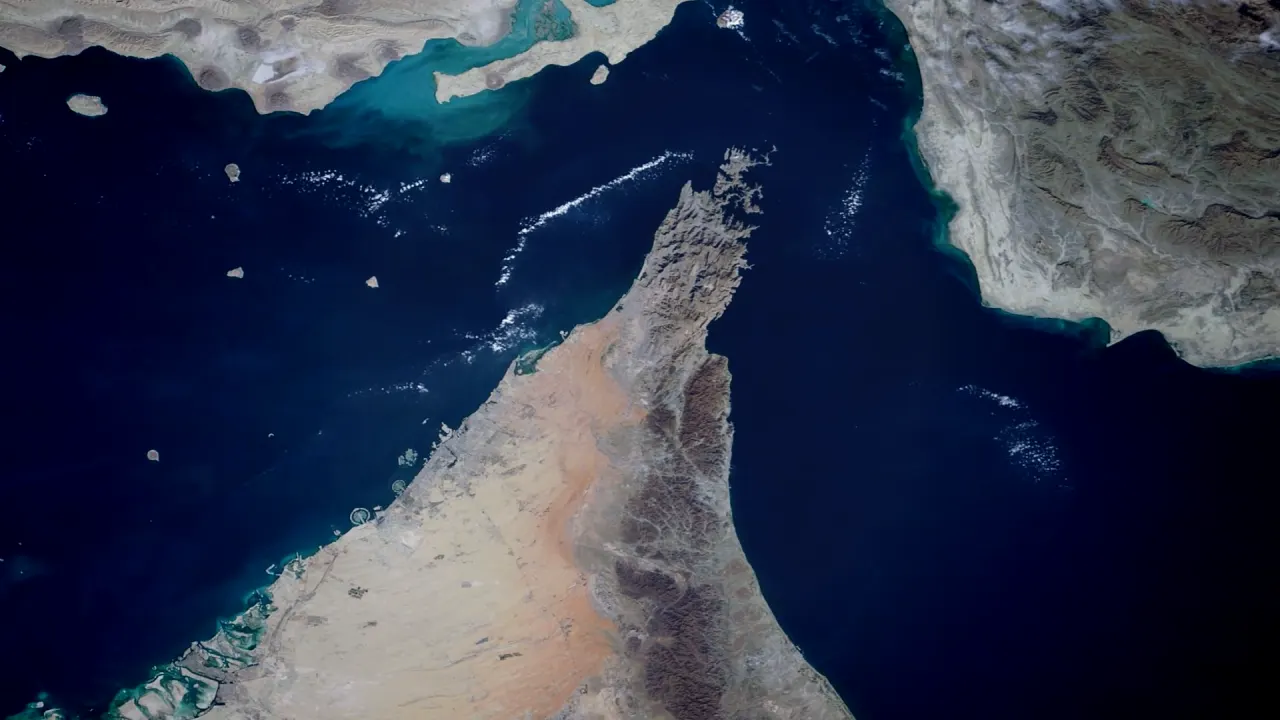
The Strait of Hormuz is a vital maritime passage that has been a focal point of contention impacting global oil shipments and international relations. Iran's conditions may suggest a possible shift towards negotiations, which could have significant implications for the U.S.-Iran relationship and overall regional stability.
Recent market trends reflect an increased likelihood of a U.S.-Iran agreement by August 31, with probabilities rising from 2% to 3.9% within a day. This development suggests heightened diplomatic activity, as Iran articulates its position through Pakistan, potentially influencing future negotiations.
What to Watch
- Monitor official responses from the United States, especially from President Donald J. Trump and U.S. Central Command, as these could impact the likelihood of a resolution.
- Upcoming days will be critical; any signs of formal negotiations or joint statements could align with market pricing supportive of a positive outcome.
- Keep an eye on reports of military activity or further diplomatic communications from Iran, Oman, or other regional players for additional insights into the situation's trajectory.
Updated 15:00 UTC
New Developments in the Strait of Hormuz Situation
- President Donald Trump has declared that all naval mines have been removed from the Strait of Hormuz, warning Iran against placing new mines.
- Trump designated the Strait of Hormuz as "new US territory," indicating a strong stance on maintaining control over this critical shipping lane.
- The standoff began in late February 2026, when Iran started deploying small craft to lay mines in the strait amidst escalating military tensions.
- Following Trump's warning, US military forces destroyed between 10 and 16 Iranian minelaying vessels and deployed minesweepers to clear the waterway.
- Despite Trump's claims that the strait is open, shipping analytics show a significant decline in vessel transits, from an average of 130-140 vessels per day to only around 10 on a recent Monday.
- Diplomatic negotiations have stalled, with Iran setting conditions such as lifting sanctions and releasing frozen assets before considering cooperation on shipping operations.
- The ongoing conflict poses risks to energy supply chains, particularly affecting countries in Asia that rely heavily on oil imports from the Gulf.
Updated 15:01 UTC
Recent Developments in the Strait of Hormuz
- President Donald Trump announced the successful clearance of all mines from the Strait of Hormuz by the U.S. Navy.
- This operation was initiated in April and targeted mines reportedly laid by Iran’s Islamic Revolutionary Guard Corps.
- Markets have reacted positively, with a decrease in the likelihood of zero ships transiting the strait, dropping from 23% to 15.4%.
- Further confirmations from U.S. officials regarding the mine-clearance operations are anticipated.
- The response from Iranian military figures, particularly IRGC Commander Mohammad Ali Jafari, may influence market perceptions.
- Any announcements regarding vessel traffic in the Strait of Hormuz could impact market risk pricing.
Updated 15:01 UTC
New Developments in Iran-UAE Relations
The United Arab Emirates has halted all trade with Iran following reports of ballistic missile launches by Tehran towards UAE territorial waters. This indefinite suspension reflects escalating military and diplomatic tensions in the Persian Gulf.
This incident marks a significant escalation in the ongoing hostilities between Iran and a coalition that includes the UAE and Israel, raising concerns about regional shipping security.
Market pricing indicates a 1.6% chance of Iran's airspace closure by August 31, showing skepticism about an immediate shutdown. Additionally, the likelihood of a US-Iran nuclear deal by the end of August is perceived to be low, with only a 0.4% chance of resolution being priced in by the markets.
Observers are advised to monitor statements from key geopolitical figures, including Iran’s Supreme Leader and U.S. President Donald Trump, as well as updates from the Civil Aviation Organization of Iran and Iranian State Television regarding airspace status.
Updated 15:01 UTC
Latest Developments
A White House official has confirmed that there are currently no negotiations or discussions taking place with Iran, amidst ongoing tensions related to the Strait of Hormuz.
This confirmation follows escalated tensions due to U.S.-Israeli military actions against Iran earlier this year.
Market interpretations suggest a continued deadlock between the U.S. and Iran, with low expectations for a diplomatic meeting in the UAE by September 30, 2026.
Observers are monitoring potential diplomatic movements involving third-party nations like Oman or Qatar, which have previously facilitated dialogue.
Updated 15:02 UTC
New Developments in Iran's Trade Strategy
- Iran is developing alternative trade routes to bypass the Strait of Hormuz, aiming to reduce reliance on this critical maritime passage.
- The new routes include railways, ports, and payment channels extending through Turkey, Pakistan, Central Asia, and China.
- This initiative is part of Iran's broader strategy to enhance logistical resilience amid regional tensions and sanctions.
- Despite these developments, the Strait of Hormuz remains open and operational, indicating that these alternatives serve as supplements rather than replacements.
- Market pricing reflects a decrease in the probability of a YES outcome for an Iran-Oman agreement by August 31, now at 16%.
- Iran's diversification strategy focuses on logistics and sanctions resilience without indicating a shift in military strategy.
- Observers should watch for statements from Iranian and Omani officials that may influence market perceptions and the progress of the new trade routes.
Updated 15:30 UTC
New Developments in Strait of Hormuz Diplomacy
Qatar is actively working to facilitate negotiations between the United States and Iran, as stated by Qatari Foreign Ministry spokesperson, Majed al-Ansari. This initiative aims to restore normal navigation in the Strait of Hormuz, which is vital for global energy and food security.
Al-Ansari highlighted that achieving these goals requires comprehensive diplomatic dialogue, especially in light of ongoing regional tensions and recent conflicts affecting the Strait of Hormuz.
Market perceptions are shifting, with indications of an increased likelihood of US-Iran negotiations, potentially impacting global supply chains disrupted by maritime disputes.
Observers are advised to keep an eye on announcements from Qatar or other regional players that may signal upcoming meetings or diplomatic engagements between US and Iranian officials.
FAQ
What are Iran's conditions regarding the Strait of Hormuz?
Iran has set specific conditions that require the United States to rejoin an agreement, although the exact details of these conditions have not been publicly disclosed.
Why is the Strait of Hormuz significant?
The Strait of Hormuz is a crucial maritime passage for global oil shipments, making it a focal point of contention in international relations and impacting global oil markets.
How has the probability of a U.S.-Iran agreement changed recently?
Recent market trends indicate that the likelihood of a U.S.-Iran agreement has increased from 2% to 3.9% within a single day, suggesting a rise in diplomatic activity.
What should we monitor regarding the U.S.-Iran negotiations?
It's important to monitor official responses from the United States, particularly from President Donald J. Trump and U.S. Central Command, as well as any signs of formal negotiations or military activity in the region.
What role does Pakistan play in this situation?
Pakistan is serving as a communication channel for Iran, indicating a strategic diplomatic maneuver that involves multiple regional actors in the context of the U.S.-Iran relationship.
Comments
Comments are moderated before publish.
No comments yet — be the first.