Iran Threatens Attacks on US Bases Amid Rising Military Tensions
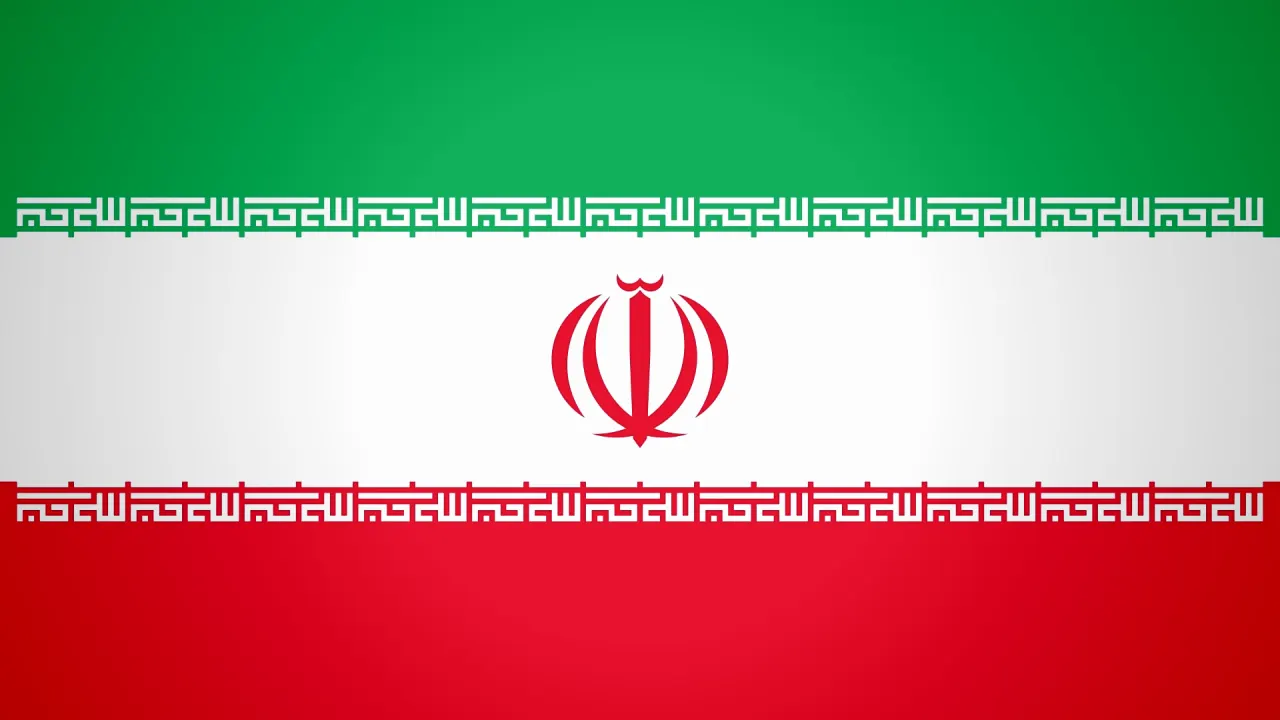
Iran’s Khatam al-Anbiya joint military command issued a warning on Sunday, stating that all U.S. bases and interests in the region would be targeted by sustained attacks if the United States resumed military actions against Iran. This warning follows reports of Washington preparing to take action against Iran, with the backing of some regional countries, during a meeting in Europe.
The threat of widespread attacks reflects Iran’s stance amid heightened tensions in the ongoing Iran–United States conflict, which has seen intermittent hostilities throughout 2026. The announcement by Iran’s central military command highlights a potential escalation, as it formally indicates an intention to target regional U.S. military infrastructure.
This comes amid a backdrop of collapsed ceasefire agreements and renewed limited strikes between the two nations. The situation underscores the fragile nature of regional stability and raises questions about future diplomatic engagements, particularly regarding any potential U.S.-Iran deal in 2026.
Key Takeaways
- Iran’s military command’s warning appears consistent with increased tensions and a potential escalation in the Iran–U.S. conflict.
- Market pricing suggests a decrease in confidence regarding the inclusion of Iran Reconstruction Funding in a U.S.-Iran deal in 2026, with odds showing a downward trend.
- Iran’s warning may negatively impact ongoing negotiations, suggesting complications for any prospective agreements between the two nations.
What to Watch
- Observers should monitor any official responses from the United States or allied nations following Iran’s warning, as these could further influence market perceptions.
- Developments at the European meeting regarding military actions against Iran will be pivotal in assessing the likelihood of renewed hostilities.
- Additionally, any diplomatic initiatives by mediators, such as Qatar or Pakistan, could play a crucial role in determining the trajectory of U.S.-Iran relations and the potential for a deal in 2026.
Updated 13:00 UTC
New Developments
- The United States has warned of a potential rapid escalation in the conflict between Saudi Arabia and Iran-backed Houthi forces following a missile attack on Riyadh.
- This missile attack marks the first incident since hostilities resumed in the Yemen conflict.
- President Donald Trump unexpectedly cut short his stay at Camp David and returned to the White House in response to the renewed military action.
- Market pricing indicates a slight increase in the perceived likelihood of a U.S. military invasion of Iran, now at 16.5% by the end of 2026.
- Observers are closely monitoring further missile attacks or military engagements, as well as statements from President Trump regarding U.S. military posture in the region.
- International diplomatic efforts and negotiations aimed at de-escalating tensions will be crucial in determining the future trajectory of the conflict.
FAQ
What did Iran's Khatam al-Anbiya military command announce?
Iran's Khatam al-Anbiya joint military command warned that all U.S. bases and interests in the region would be targeted by sustained attacks if the United States resumed military actions against Iran.
What has led to the increased tensions between Iran and the United States?
The increased tensions are a result of intermittent hostilities throughout 2026, collapsed ceasefire agreements, and reports of the U.S. preparing military actions against Iran with support from some regional countries.
How might Iran's warning affect U.S.-Iran negotiations?
Iran's warning may negatively impact ongoing negotiations, complicating any prospective agreements between the two nations, particularly regarding the inclusion of Iran Reconstruction Funding in a potential U.S.-Iran deal in 2026.
What should observers monitor in light of Iran's warning?
Observers should monitor official responses from the United States or allied nations, developments from the European meeting regarding military actions against Iran, and any diplomatic initiatives by mediators like Qatar or Pakistan.
What are the implications of the current situation for regional stability?
The situation underscores the fragile nature of regional stability, raising concerns about the potential for renewed hostilities and the future of diplomatic engagements between the U.S. and Iran.
Comments
Comments are moderated before publish.
No comments yet — be the first.