Iranian Attacks Prompt Debate on US Military Strategy in Gulf Region
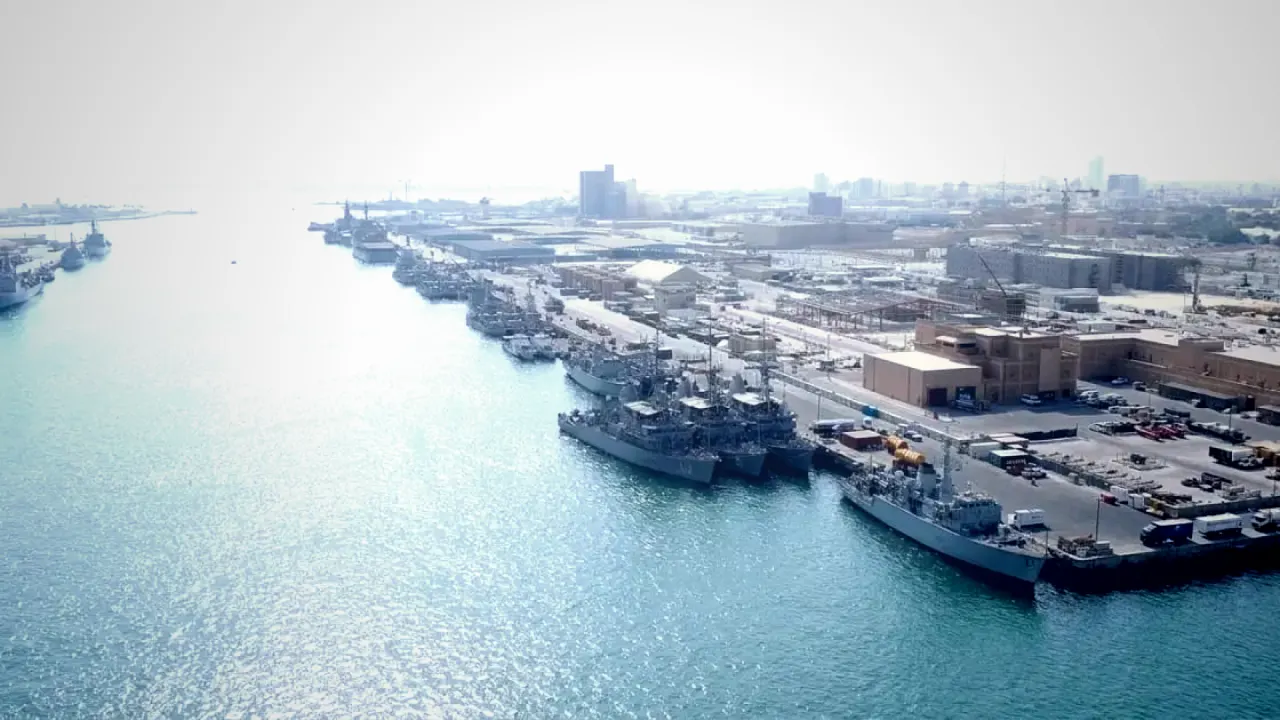
Recent Iranian attacks on U.S. military bases in the Gulf have highlighted vulnerabilities in Washington’s defense posture in the region. As tensions escalate between the United States and Iran, the exposure of these bases has ignited a debate over whether to reinforce existing facilities or adopt a more dispersed military strategy.
The ongoing conflict, characterized by missile and drone strikes, raises significant concerns regarding the survivability of fixed installations. This situation has led markets to reassess the likelihood of a U.S. invasion of Iran, with current pricing indicating a 16.5% chance of military action by the end of 2026.
Key Takeaways
- Recent Iranian attacks expose vulnerabilities in U.S. military bases, prompting strategic discussions.
- Market pricing reflects an increased likelihood of a U.S. invasion of Iran, now at 16.5% for a 2026 offensive.
- The situation may signal a shift in U.S. military strategy towards a more flexible regional presence.
What to Watch
- Developments in U.S. military strategy and official announcements regarding base rebuilding or dispersal.
- Statements from key figures such as President Donald Trump and Defense Secretary Pete Hegseth.
- Any diplomatic movements or ceasefire negotiations that could influence perceptions of a U.S. invasion.
Updated 19:00 UTC
New Facts on Strait of Hormuz Traffic
- Ship traffic through the Strait of Hormuz surged by nearly 400% in just two weeks, with transits increasing from 39 to 192.
- Despite the surge, current traffic levels remain about 90% below pre-war figures of approximately 20.9 million barrels per day.
- Many returning ships are using a corridor along Oman’s coast, which is supported by the US but rejected by Iran.
- The US diesel crack spread reached an all-time high of $102.20 on August 17, indicating tighter refined fuel supplies.
- Current estimates suggest that crude outflows from the strait are running at under half of pre-war norms, with some estimates placing it closer to 7 million barrels per day.
- Both WTI and Brent crude prices have gained about 5% over the past week, with WTI settling at $87.57 and Brent at $92.40 before the market reopened on Monday.
Updated 19:00 UTC
New Developments in US-Iran Tensions
Pakistan is increasingly taking on a diplomatic role in the Middle East, acting as a mediator between Iran and the United States amidst ongoing tensions. This development is part of a broader effort by Pakistan to de-escalate the conflict, which has seen intermittent ceasefires and continued diplomatic engagements.
As Pakistan facilitates talks, it remains a neutral intermediary, emphasizing its focus on crisis management in the region. The involvement of Pakistan in mediation efforts may indicate a shift towards potential diplomatic resolutions, influencing market perceptions of US-Iran peace talks.
Key Takeaways:
- Pakistan’s role as a mediator suggests a potential increase in diplomatic engagements between the US and Iran.
- Current market pricing implies a low probability of US-Iran talks by August 31, 2026, with only 1.7% YES.
- The December 31, 2026, market shows a higher probability at 50.5% YES, reflecting expectations of diplomatic progress over time.
What to Watch:
- Monitor announcements from Pakistan and Qatar regarding any scheduled US-Iran negotiations.
- Key indicators include statements from the White House or Iranian Foreign Ministry confirming the next round of talks.
- Shifts in military actions or public declarations by key actors such as Israel or the US could significantly influence market expectations and pricing for future talks.
Updated 20:01 UTC
New Developments
On August 22, Mohsen Rezaee, Secretary of Iran’s Supreme National Security Council, warned neighboring Gulf states that supporting the US economic pressure campaign against Tehran would be considered an act of war. He threatened to close the Strait of Hormuz, a critical chokepoint for global oil trade, ensuring that "not a single drop of oil" would leave the Persian Gulf.
The Strait of Hormuz is vital, handling approximately 25% of the world's seaborne crude oil trade. Iran's oil exports have plummeted from an average of 1.3 to 1.5 million barrels per day before the conflict to below 300,000 barrels per day due to blockades and US sanctions.
Saudi Arabia and the UAE, whose economies rely heavily on oil exports through the Strait, face significant risks if Iran follows through on its threats. A blockade could severely disrupt global supply chains and escalate energy prices, affecting producers and consumers worldwide.
China, a major importer of oil, would also be impacted, as would the insurance and shipping industries, which are experiencing heightened risk premiums for vessels navigating the strait amid rising tensions.
FAQ
What recent events have prompted a debate on U.S. military strategy in the Gulf region?
Recent Iranian attacks on U.S. military bases in the Gulf have highlighted vulnerabilities in Washington’s defense posture, igniting discussions on whether to reinforce existing facilities or adopt a more dispersed military strategy.
What is the current market perception regarding a potential U.S. invasion of Iran?
Market pricing currently indicates a 16.5% chance of a U.S. invasion of Iran by the end of 2026, reflecting increased concerns about military action in the region.
What are the key concerns regarding U.S. military bases in the Gulf?
The ongoing conflict characterized by missile and drone strikes raises significant concerns about the survivability of fixed installations, prompting discussions on military strategy.
What developments should be monitored in relation to U.S. military strategy?
Key developments to watch include official announcements regarding base rebuilding or dispersal, statements from key figures like President Donald Trump and Defense Secretary Pete Hegseth, and any diplomatic movements or ceasefire negotiations.
How might the situation influence U.S. military strategy in the future?
The situation may signal a shift in U.S. military strategy towards a more flexible regional presence, adapting to the vulnerabilities exposed by recent attacks.
Comments
Comments are moderated before publish.
No comments yet — be the first.