Iranian Pilots Detained by Qatar Amid Rising Regional Tensions
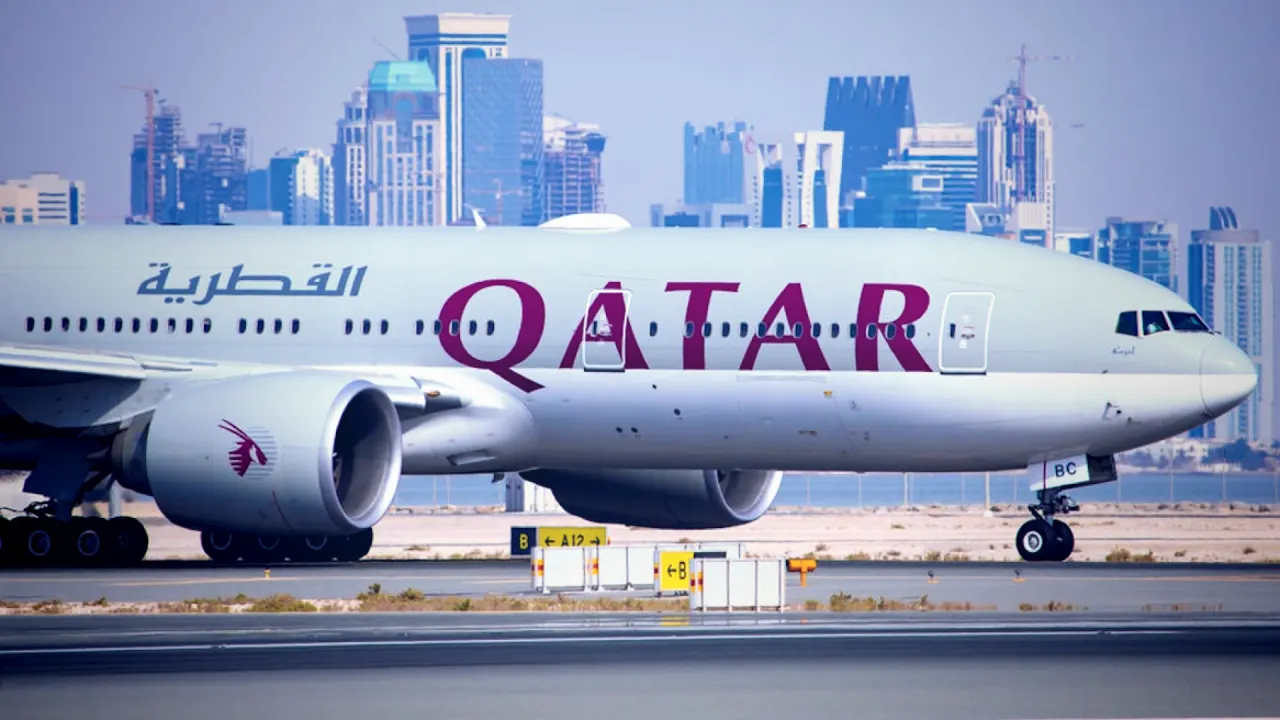
Iran has publicly accused Qatar of detaining three of its air force pilots, a claim that complicates an already tense situation stemming from a U.S.-Iran conflict that began in March 2026. The pilots reportedly went missing after an incident involving their Su-24 fighter jets breaching Qatari airspace.
According to Qatar, the Iranian pilots violated airspace regulations and ignored multiple attempts at radio communication before being shot down by Qatari F-15s. Iran, however, regards the pilots as prisoners of war and has sought intervention from the International Committee of the Red Cross (ICRC) to investigate their status.
This incident is set against a backdrop of heightened regional tensions, particularly following Iranian missile and drone strikes targeting U.S. military installations in Qatar, including the Al-Udeid Air Base. The situation has raised concerns about the potential for further military escalation in the Gulf region.
Qatar's government has maintained that it has no information regarding the pilots' whereabouts, while Iranian officials claim they have been in Qatari custody for approximately six months. The lack of communication between the two nations has led to a diplomatic standoff, with both sides firmly entrenched in their positions.
The ICRC's involvement highlights Qatar's obligations under international law regarding the treatment of prisoners of war, putting additional pressure on the Qatari government as it navigates this sensitive issue. Observers are closely monitoring the situation, as it could have significant implications for regional stability and international relations.
Updated 13:02 UTC
New Developments in Iranian Military Leadership
Iran’s Supreme National Security Council has announced the appointment of six military commanders by Mojtaba Khamenei, which they claim has disrupted strategic plans by the United States and Israel. Mohsen Rezaei, a key figure in the council, stated that these appointments have altered the strategies of Iran’s adversaries.
This development occurs amidst a fragile truce in the ongoing conflict between Iran and the US-Israel alliance, which had previously seen direct military confrontations earlier this year. The new appointments are viewed as a move to restore command continuity within Iran’s armed forces, following significant losses among senior military leaders.
Key Takeaways
- The statement from Iran’s Supreme National Security Council suggests increased military stability, indicating a decreased likelihood of a leadership vacuum by the end of 2026.
- Market pricing reflects the perception that the appointment of military commanders aligns with scenarios of reduced likelihood of leadership change in Iran.
- Observable market behavior indicates a perception of consolidated power within Iran’s leadership structure, impacting predictions of political stability.
What to Watch
Observers should keep an eye on further military or political developments in Iran, as these could influence the stability of the current leadership. The ongoing role of Mojtaba Khamenei and endorsements from key military or governmental bodies may signal a stable leadership scenario. Conversely, reports of internal disagreements or increased international pressure could indicate a shift towards instability, affecting market perceptions and pricing regarding Iran’s leadership status.
Updated 13:02 UTC
New Developments in Regional Aviation
Flights from Iran’s Qeshm International Airport are set to resume on Wednesday following a suspension due to ongoing regional conflicts. This resumption indicates a potential easing of local security conditions amidst the active Iran–Israel war.
Market pricing reflects a decreased perceived risk for a full airspace closure over Iran, with current odds at 5.5%, down from 8% just 24 hours prior. This suggests a temporary de-escalation in military tensions affecting civilian airspace.
Observers are advised to monitor statements from the Civil Aviation Organization of Iran (CAOI) for updates on airspace status and any developments in the ongoing conflict that may impact aviation operations.
FAQ
What led to the detention of Iranian pilots by Qatar?
The Iranian pilots were reportedly detained after their Su-24 fighter jets breached Qatari airspace, leading to a confrontation with Qatari F-15s. Qatar claims the pilots ignored radio communications and violated airspace regulations.
How does Iran view the detained pilots?
Iran regards the detained pilots as prisoners of war and has sought intervention from the International Committee of the Red Cross (ICRC) to investigate their status.
What has been the response from Qatar regarding the pilots' whereabouts?
Qatar's government has stated that it has no information regarding the pilots' whereabouts, maintaining a firm stance amid the ongoing diplomatic standoff.
What are the implications of this incident for regional stability?
The incident raises concerns about potential military escalation in the Gulf region, especially given the backdrop of previous Iranian missile and drone strikes targeting U.S. military installations in Qatar.
What role is the International Committee of the Red Cross (ICRC) playing in this situation?
The ICRC's involvement highlights Qatar's obligations under international law regarding the treatment of prisoners of war, adding pressure on the Qatari government as it navigates this sensitive issue.
Comments
Comments are moderated before publish.
No comments yet — be the first.