Iran's Basij Leader Warns Against Trusting US-Iran Negotiations Amidst Tensions
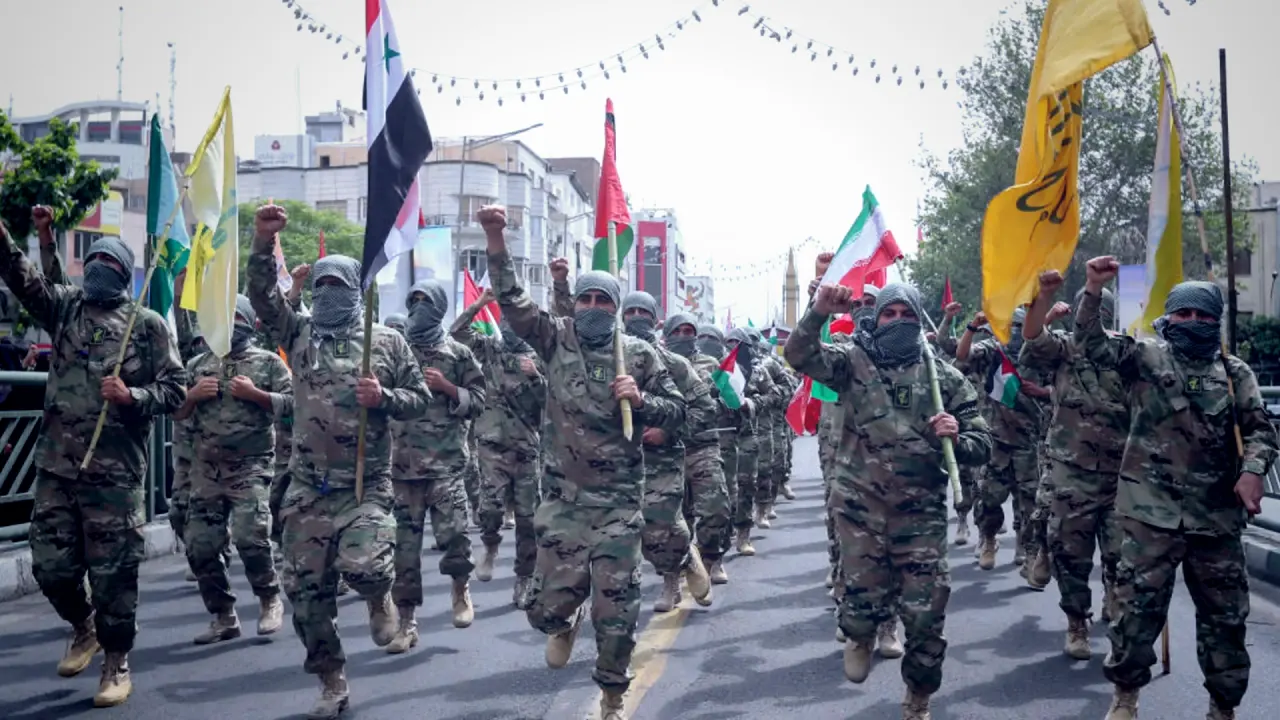
Hossein Taeb, the leader of Iran’s Basij organization, has issued a warning to Iranians regarding the potential for renewed negotiations with the United States. He suggests that any diplomatic overtures may be a deceptive tactic employed by Iran's adversaries. This statement comes as US-Iran relations remain stagnant, with no ongoing discussions and a previous truce framework having expired.
Taeb’s remarks highlight a hardline perspective from Iran’s internal security apparatus, framing diplomacy as a means of continued pressure rather than a pathway to de-escalation. The market for US-Iran peace talks has reacted accordingly, with the likelihood of a diplomatic meeting by August 31, 2026, now estimated at only 2.3%, a decrease from 3% just a day prior. This trend reflects a growing skepticism regarding imminent negotiations, aligning with Taeb’s warning and the lack of visible progress in talks.
Despite the short-term uncertainty, longer-term market expectations for diplomacy remain moderate, with a 48.5% chance of a meeting by December 31, 2026. Taeb's statements have introduced significant uncertainty into the geopolitical landscape, as tensions between Iran and the US persist. Market participants are interpreting his remarks as indicative of ongoing skepticism towards diplomatic resolutions in the near future.
Key Takeaways
- Taeb's warning suggests a reduced likelihood of US-Iran diplomatic talks resuming soon.
- Market pricing for a meeting by August 31, 2026, has decreased to 2.3%, reflecting skepticism.
- Longer-term markets show moderate expectations for diplomacy, with December 31, 2026, odds at 48.5%.
What to Watch
- Developments from key figures such as President Donald Trump and Iran’s Foreign Minister Seyed Abbas Araghchi could indicate shifts in diplomatic prospects.
- New announcements of talks or confirmed negotiation dates could improve the odds.
- Conversely, further military actions or official rejections of negotiations could further depress the probability of talks resuming soon.
Updated 18:30 UTC
New Developments in Iran-Egypt Relations
Egyptian Foreign Minister Badr Abdelatty and Iranian counterpart Abbas Araghchi have engaged in discussions aimed at de-escalating tensions and reviving diplomatic initiatives, as reported by Egypt’s Foreign Ministry. This meeting highlights Egypt’s role as a mediator in regional dynamics involving Iran, Israel, and the United States.
The discussions focus on managing the crisis through diplomacy rather than military actions, with both nations emphasizing dialogue and restraint. This development may influence the likelihood of future US-Iran diplomatic engagements.
Current market pricing indicates low expectations for a near-term breakthrough in US-Iran negotiations, with odds for a meeting in the UAE by September 30 remaining at just 0.1%.
Watch for official announcements from the White House or Iran’s Foreign Ministry regarding the timing and location of future US-Iran diplomatic meetings, as well as statements from regional players like Qatar or Turkey that could indicate potential venues.
FAQ
What did Hossein Taeb warn Iranians about regarding US-Iran negotiations?
Hossein Taeb warned that any potential negotiations with the United States may be a deceptive tactic by Iran's adversaries, suggesting that diplomacy could be used as a means of continued pressure rather than a pathway to de-escalation.
What is the current market expectation for a US-Iran diplomatic meeting by August 31, 2026?
The market now estimates the likelihood of a diplomatic meeting by August 31, 2026, at only 2.3%, which is a decrease from 3% just a day prior.
How do longer-term market expectations for US-Iran diplomacy look?
Longer-term market expectations for diplomacy remain moderate, with a 48.5% chance of a meeting by December 31, 2026.
What factors could influence the likelihood of US-Iran negotiations resuming?
Developments from key figures such as President Donald Trump and Iran’s Foreign Minister Seyed Abbas Araghchi, as well as new announcements of talks or confirmed negotiation dates, could improve the odds. Conversely, military actions or official rejections of negotiations could further decrease the probability of talks resuming.
What impact have Taeb's statements had on the geopolitical landscape?
Taeb's statements have introduced significant uncertainty into the geopolitical landscape, as they reflect ongoing skepticism towards diplomatic resolutions between Iran and the US, contributing to the current tensions.
Comments
Comments are moderated before publish.
No comments yet — be the first.