Iran's Foreign Minister Confirms No Direct Talks with the US Amid Tensions
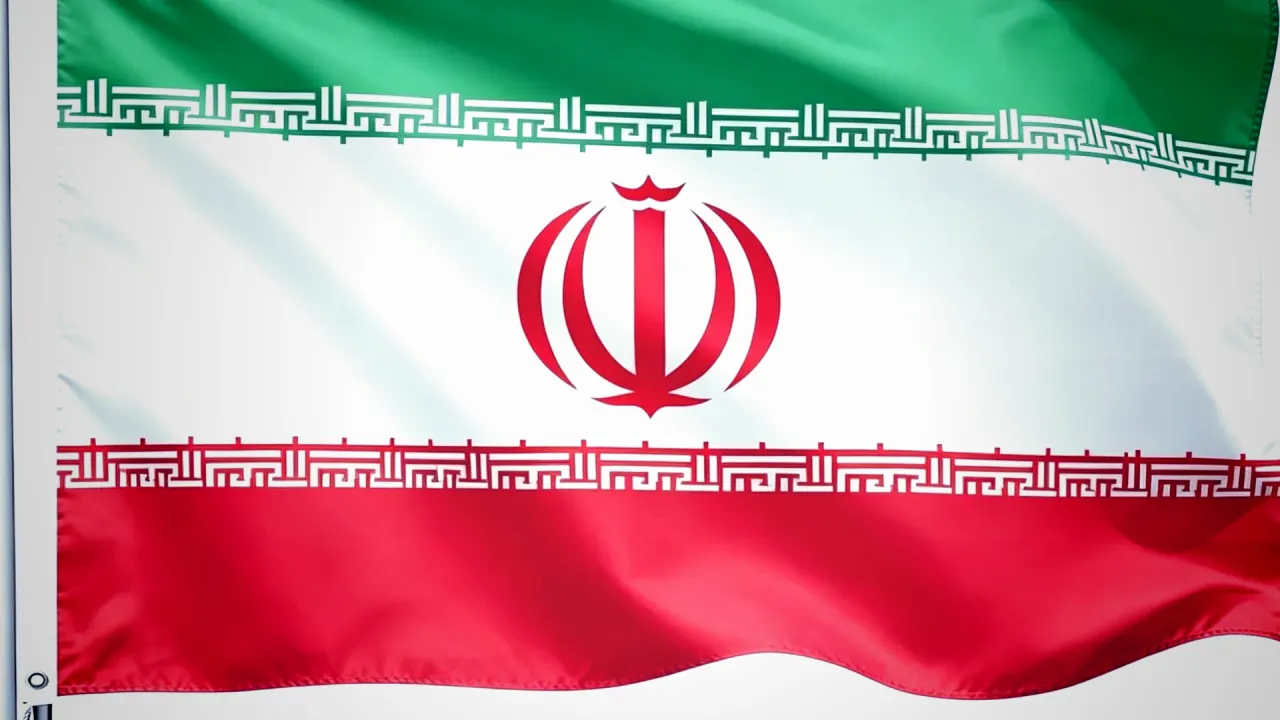
Iran's Foreign Minister, Abbas Araghchi, has confirmed that there are no direct talks with the United States, stating that communications are limited to messages exchanged through intermediaries. This announcement highlights the ongoing tensions and lack of formal diplomatic relations between the two nations.
Araghchi emphasized that the current communications should not be interpreted as negotiations, indicating a significant lack of trust. The indirect communication approach is part of a broader diplomatic strategy involving mediators rather than direct dialogue.
Key Takeaways
- The likelihood of a US-Iran meeting occurring in the UAE appears diminished, as there are no direct negotiations.
- Market pricing reflects a moderate decrease in the probability of US-Iran diplomatic engagements, suggesting skepticism regarding direct talks.
What to Watch
- Observers should keep an eye on any official announcements from the US or Iranian governments regarding potential changes in their communication strategy.
- Developments involving regional mediators like Qatar and Pakistan may influence the trajectory of US-Iran relations.
Updated 10:01 UTC
New Developments in U.S.-Iran Negotiations
- Oman's Prime Minister, Sultan Haitham bin Tariq Al Said, has made an unannounced visit to Qatar, signaling ongoing diplomatic efforts related to U.S.-Iran negotiations.
- The visit is part of broader mediation efforts by Oman and Qatar aimed at facilitating a deal between the U.S. and Iran.
- Current prediction markets indicate a 32.5% likelihood of a U.S.-Iran diplomatic meeting by August 31, 2026, a decrease from earlier estimates.
- Market participants show a higher confidence level of 64.5% for a potential meeting by September 30, suggesting expectations for a diplomatic breakthrough later in the year.
- The involvement of Oman aligns with its historical role as a mediator in regional conflicts.
What to Watch:
- Official statements from Oman or Qatar regarding the purpose of the Prime Minister's visit.
- The response from Iranian hardliners, which will be critical in shaping the negotiation landscape.
- Any updates from the U.S. that could influence the ongoing talks.
Updated 12:31 UTC
New Developments on Iran's Nuclear Ambitions
Israeli Prime Minister Benjamin Netanyahu has reiterated Israel's commitment to preventing Iran from acquiring nuclear weapons, regardless of ongoing negotiations involving the US and Arab states. This statement highlights Israel's readiness to act independently of diplomatic efforts.
Current discussions include indirect talks facilitated by Oman, with regional Arab powers also involved. However, key issues such as uranium enrichment and inspection protocols remain unresolved, prompting Israel to assert its military options.
Market indicators suggest a decreasing probability of a US-Iran deal by 2026, reflecting rising concerns over potential military conflict. Observers are advised to monitor any military maneuvers or statements from Israel that may signal a shift toward action against Iran.
Updated 12:32 UTC
New Developments in US-Iran Relations
- President Trump has expressed a willingness to de-escalate the US-Iran conflict if Iran reopens the Strait of Hormuz, a crucial waterway for global oil supply.
- The Strait of Hormuz, which handles approximately 20% of the world's daily oil supply, was declared closed by Iran on March 4, following US and Israeli operations against Iran.
- Trump indicated that discussions with Iran are progressing positively, with a potential deal on the horizon, although significant issues remain unresolved.
- Iran and Oman have proposed a toll arrangement for vessels passing through the strait, which the US opposes, viewing it as a means for Iran to exert control over international waters.
- Iran's reopening of the strait is contingent upon lifting the US naval blockade and obtaining meaningful sanctions relief.
- The upcoming midterm elections may influence Trump's approach, as public sentiment is shifting against the ongoing conflict.
- If an agreement is reached, oil prices may decrease, but the proposed toll could permanently raise transit costs for energy and goods.
Updated 14:30 UTC
Recent Developments in Iran
A video has emerged showing a banner of former Supreme Leader Ali Khamenei being burned in Iran, accompanied by calls for public protests. This act is part of escalating anti-government unrest, with demonstrators urging the public to "take to the streets" and proclaiming, "It’s time to finish this. Long live the Shah."
This symbolic act of defiance against the regime's authority marks a significant escalation in public dissent. Market activity indicates that this development may influence predictions regarding the potential fall of the Iranian regime and changes in its leadership.
Current market pricing suggests a 6.5% likelihood of the Iranian regime falling by the end of 2026 and a 20.5% chance of a leadership change by December 31. These figures reflect a growing perception of political instability within Iran.
Key indicators to watch include potential responses from Iranian authorities, any leadership moves by Mojtaba Khamenei, and significant defections within the IRGC. Continued large-scale protests or international reactions could further impact market perceptions of regime stability.
Updated 15:00 UTC
New Developments in Iran's Legislative Actions
The Iranian parliament’s National Security and Foreign Policy Committee has approved the general outlines of a bill aimed at managing the strategic Strait of Hormuz. This bill is titled “Strategic Action for the Security and Sustainable Progress of the Strait of Hormuz and the Persian Gulf.”
Although the bill is not yet law and requires further parliamentary procedures, its approval marks a significant step in Iran's legislative efforts amid ongoing tensions with the United States.
Market observers have noted a decrease in confidence regarding a swift US-Iran agreement, with probabilities dropping significantly. The approval of this bill's outlines may complicate ongoing negotiations between Iran and the U.S., potentially affecting the likelihood of restoring normal traffic through the Strait of Hormuz.
Key actors, including Iran’s Foreign Minister Abbas Araghchi, may provide further insights through public statements or diplomatic engagements as developments unfold.
Updated 18:30 UTC
New Developments in Iran-U.S. Relations
Iran and Oman are nearing finalization of an agreement on new shipping lanes through the Strait of Hormuz, a vital chokepoint for global energy supplies. However, Iran's security chief has stated that any progress on this agreement is dependent on significant concessions from the United States, including lifting the naval blockade, withdrawing forces, and unfreezing Iranian assets.
This situation underscores the complex geopolitical dynamics as Iran leverages the potential shipping-lane deal in broader negotiations with the U.S. Oman is actively mediating to de-escalate regional tensions.
Market reactions indicate skepticism regarding a final U.S.-Iran nuclear agreement, with current pricing reflecting a decreased likelihood of a deal by upcoming deadlines. The probability of an agreement by August 13, 2026, is now at a low 0.4%, while the odds for a deal by September 30, 2026, have slightly decreased to 7.5%.
Key takeaways include that market participants view Iran's demands for U.S. concessions as a significant barrier to a final nuclear deal, and Oman’s mediation efforts are consistent with attempts to manage regional tensions.
Markets will closely monitor any public statements from Iran or the U.S. regarding concessions or progress in negotiations, as well as any shifts in diplomatic tone from key leaders.
Updated 20:30 UTC
New Developments in the Strait of Hormuz
An Iranian lawmaker has announced that Iran's armed forces have taken control of the Strait of Hormuz, a crucial waterway for global oil transport. This move indicates a significant escalation in Iran's strategy amid ongoing tensions with the United States.
The arrangement between Iran and Oman is reportedly being finalized, which would divide the strait between the two nations. Iranian legislators are advocating for legislation that would grant the armed forces comprehensive control over the waterway, a shift from established international maritime norms.
Negotiations are underway for new shipping lanes through the strait, with a proposed system favoring Iranian territorial waters for inbound vessels, while outbound traffic would utilize Oman’s side. This division of the strait could introduce new transit fees and inspection regimes, fundamentally altering the rules governing global oil transport.
The Strait of Hormuz is vital, accounting for approximately 25% of the world's seaborne crude oil trade and 19% of liquefied natural gas flows. The conflict between Iran and the US has intensified, particularly following attacks in February, with the strait remaining a focal point for strategic military and economic considerations.
Updated 22:30 UTC
Latest Developments
- As of early August 2026, stock futures remained largely flat as investors awaited the July Consumer Price Index report, set to be released on August 12.
- The S&P 500 index dropped by 0.2% to 7,709.96 on August 6, while the Dow fell by 0.9% to 53,885.10, and the Nasdaq slipped by 0.1%.
- Brent crude oil prices surged by 3.8% to $82.49 per barrel, influenced by fears of disruptions in shipping through the Strait of Hormuz due to the ongoing U.S.-Iran conflict.
- During the peak of the conflict, oil prices reached as high as $113 per barrel.
- The Federal Reserve maintained its benchmark interest rate between 3.50% and 3.75% at its latest meeting, with potential hikes anticipated as early as September 2026 if inflation does not decrease.
- The upcoming July CPI report is critical, as a higher-than-expected number could prompt an earlier rate increase.
Updated 22:31 UTC
Latest Developments on Iran Conflict and Oil Prices
Oil prices have surged due to a stalemate in the Iran conflict, disrupting the Strait of Hormuz, a vital maritime route for global oil shipments. Brent crude oil is currently priced at $83.55 per barrel, reflecting ongoing uncertainty about the reopening of this critical waterway.
The deadlock has heightened geopolitical tensions, significantly affecting market dynamics. Analysts suggest that the disruption is viewed as a substantial supply risk, with potential implications for oil prices reaching new highs by the end of the year.
Market behavior indicates limited confidence among participants regarding crude oil reaching a new all-time high by September, although there is a modest increase in confidence for the December timeframe.
Observers are advised to monitor developments regarding the Strait of Hormuz, as any changes could significantly alter the current market outlook. Key organizations such as OPEC and the International Energy Agency may provide further insights that could influence pricing.
FAQ
Are there currently any direct talks between Iran and the US?
No, Iran's Foreign Minister has confirmed that there are no direct talks between the two nations, with communications limited to messages exchanged through intermediaries.
What does the lack of direct communication indicate about US-Iran relations?
The lack of direct communication indicates ongoing tensions and a significant lack of trust between the two nations.
What role do mediators play in US-Iran communications?
Mediators are used to facilitate communication between the US and Iran, as both countries are currently not engaging in direct dialogue.
What is the current market sentiment regarding US-Iran diplomatic engagements?
Market pricing reflects a moderate decrease in the probability of US-Iran diplomatic engagements, suggesting skepticism about the likelihood of direct talks.
What should observers watch for regarding US-Iran relations?
Observers should keep an eye on any official announcements from the US or Iranian governments, as well as developments involving regional mediators like Qatar and Pakistan, which may influence US-Iran relations.
Comments
Comments are moderated before publish.
No comments yet — be the first.