Iran's Oil Exports Plummet Amid US Sanctions and Economic Strain
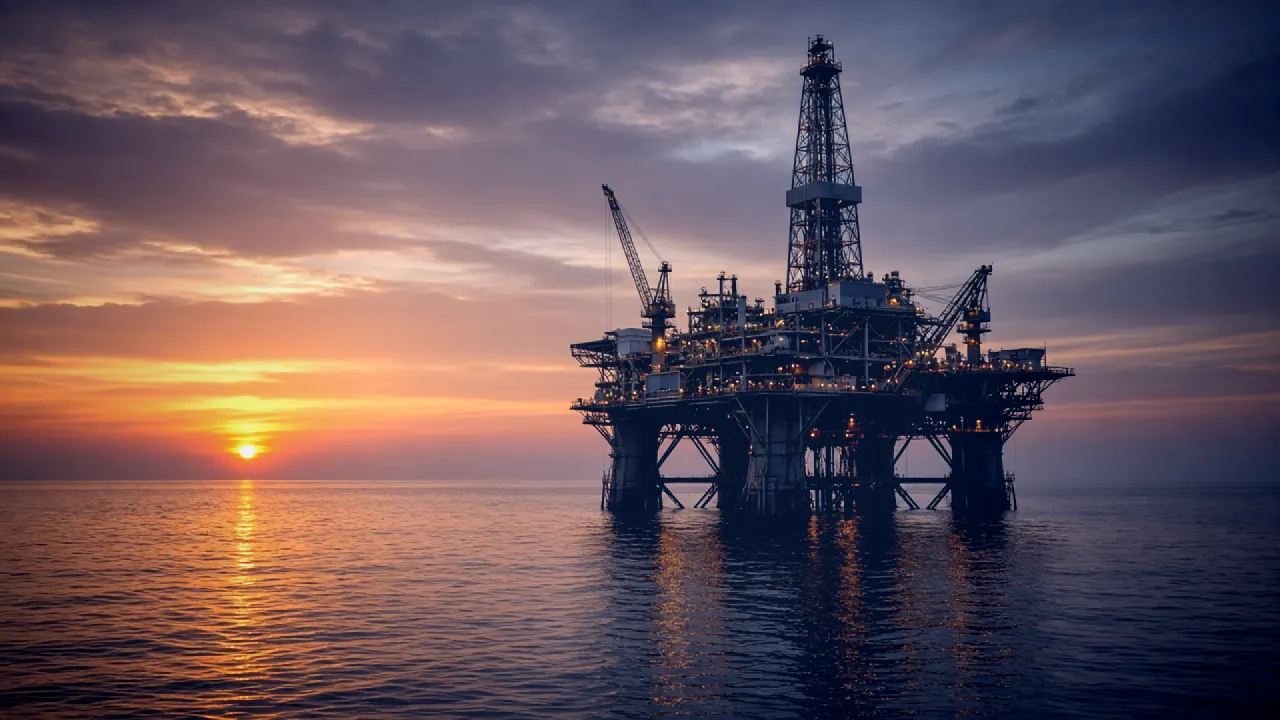
Iran's oil export capabilities have been severely compromised, with recent data indicating a significant drop in exports to around 260,000 barrels per day in August 2026, down from 1.7 million barrels per day previously. This represents a staggering decline of more than 80% compared to the same month last year.
The US Treasury Department's recent initiative, dubbed “Operation Economic Outcast,” has imposed sanctions on nearly 60 entities linked to Iran's oil revenue networks. These sanctions have targeted the banking, shipping, and technology sectors, effectively crippling Iran's ability to conduct oil trade.
Iran's Central Bank Governor, Abdolnaser Hemmati, confirmed that oil export revenues have nearly reached zero, exacerbating the country's economic challenges. The sanctions have particularly affected Iran's shadow fleet, which previously enabled the country to evade sanctions through tactics such as disabling tracking systems and falsifying cargo documentation.
The implications of removing approximately 1.4 million barrels per day from global markets are significant, especially as Iran has threatened to close the Strait of Hormuz, a critical passage for global oil supply.
Additionally, Iranian President Masoud Pezeshkian has highlighted the economic strain on the government due to reduced revenues and ongoing military pressures. The geopolitical landscape remains tense, with ongoing confrontations involving the US and Israel further complicating the situation.
Updated 23:00 UTC
New Insights on Gasoline Market Dynamics
- Hedge funds have increased their bullish bets on US gasoline, with net long positions climbing by 5,533 lots to reach a total of 79,858 contracts, the highest in six months.
- This surge in gasoline futures is the largest since February 24, coinciding with military actions against Iran.
- The current national average gasoline price is approximately $4.09 per gallon, reflecting a significant increase from pre-conflict levels in early 2026.
- Speculative bets now cover roughly 3.35 billion gallons of gasoline, indicating strong market confidence amid supply concerns.
- August is peak driving season in the US, contributing to heightened domestic gasoline demand and exacerbating supply anxiety due to the US-Iran conflict.
- Market participants are closely monitoring potential military operations targeting Iranian oil infrastructure and OPEC+ responses to stabilize prices.
- Sustained gasoline prices above $4.00 per gallon could act as a consumption tax, diverting approximately $1 billion in annualized consumer spending from other sectors.
FAQ
What has caused the decline in Iran's oil exports?
The decline in Iran's oil exports is primarily due to US sanctions imposed under 'Operation Economic Outcast,' which have targeted various sectors linked to Iran's oil revenue, including banking, shipping, and technology.
How much have Iran's oil exports decreased recently?
Iran's oil exports have plummeted to around 260,000 barrels per day in August 2026, down from 1.7 million barrels per day, marking a decline of over 80% compared to the same month last year.
What impact have the sanctions had on Iran's economy?
The sanctions have severely crippled Iran's ability to conduct oil trade, leading to oil export revenues nearly reaching zero, which has exacerbated the country's economic challenges.
What is the significance of the Strait of Hormuz in this context?
The Strait of Hormuz is a critical passage for global oil supply. Iran has threatened to close it, which could significantly impact global oil markets due to the removal of approximately 1.4 million barrels per day.
How has the geopolitical situation affected Iran's oil exports?
The geopolitical landscape remains tense, with ongoing confrontations involving the US and Israel, further complicating the situation for Iran and impacting its oil export capabilities.
Comments
Comments are moderated before publish.
No comments yet — be the first.