Jay Clayton Appointed as White House AI Czar Amid Crypto Community Concerns
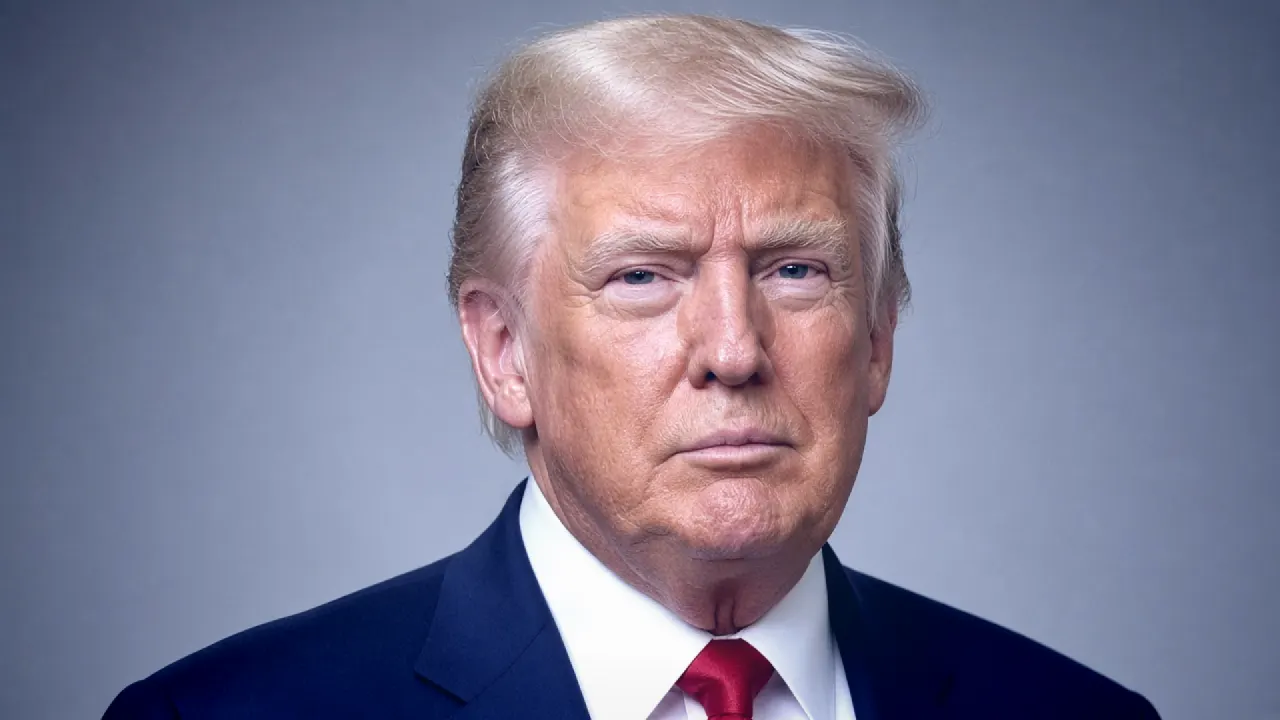
President Donald Trump has appointed Jay Clayton as the White House’s AI czar, a position that will see him lead a newly formed task force known as the “Super Intelligence Force.” This announcement was made on October 3, 2026, and the panel is expected to deliver a report within 120 days, assessing the risks and opportunities posed by artificial intelligence.
Clayton, who currently serves as the Director of National Intelligence, will not be working alone; the task force includes notable officials such as Vice President JD Vance and Secretary of Defense Pete Hegseth. Clayton has emphasized the importance of maintaining the U.S. lead in super intelligence technologies.
The formation of this task force follows a meeting hosted by Trump with leaders from the AI industry, where he supported the creation of a voluntary “White House Accord on Super Intelligence.” This accord aims to encourage companies to adopt internal safeguards and oversight without imposing new regulations.
Clayton's previous tenure as SEC Chairman, during which he led the lawsuit against Ripple for alleged unregistered securities sales, has left a lasting impact on the crypto community. The lawsuit, which concluded in August 2025 with a $125 million penalty, has raised concerns about Clayton's regulatory approach in his new role, particularly regarding potential implications for cryptocurrency regulations.
FAQ
Who has been appointed as the White House AI czar?
Jay Clayton has been appointed as the White House AI czar.
What is the purpose of the newly formed task force led by Jay Clayton?
The task force, known as the 'Super Intelligence Force,' is expected to assess the risks and opportunities posed by artificial intelligence and deliver a report within 120 days.
What notable officials are part of the task force alongside Jay Clayton?
The task force includes Vice President JD Vance and Secretary of Defense Pete Hegseth.
What is the 'White House Accord on Super Intelligence'?
The 'White House Accord on Super Intelligence' is a voluntary initiative aimed at encouraging companies to adopt internal safeguards and oversight regarding AI technologies without imposing new regulations.
What concerns does Jay Clayton's previous tenure as SEC Chairman raise for the crypto community?
Clayton's regulatory approach, particularly his role in the lawsuit against Ripple for alleged unregistered securities sales, raises concerns about how he may handle cryptocurrency regulations in his new role.
Comments
Comments are moderated before publish.
No comments yet — be the first.