Middle East Conflict Drives Oil Prices and Shipping Costs Higher
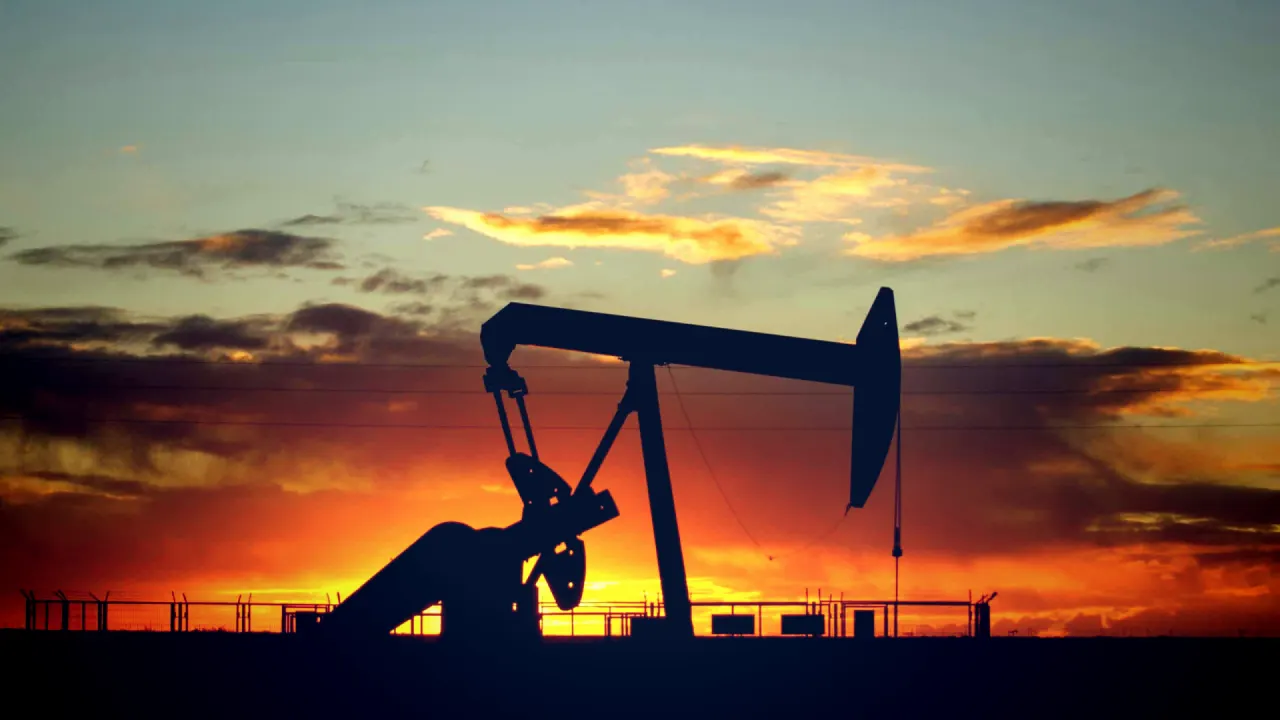
Shipping oil through key Middle Eastern waterways has become increasingly challenging and expensive, primarily due to heightened security risks and rising insurance costs. A recent report by Reuters highlights that these conditions have pushed oil tanker rates to record highs, with VLCC rates from the Gulf of Oman to China reaching approximately $11.50 per barrel.
The ongoing conflict in the region is exacerbating these logistical challenges, disrupting oil flows, and escalating fuel prices. Market predictions indicate a higher likelihood of crude oil reaching a new all-time high by the end of the year, with current pricing reflecting a 15% probability by December 31, up from 10% a week ago.
Asia’s oil traders remain optimistic about prices despite the geopolitical tensions, with Brent crude recently surpassing $100 per barrel. The conflict in Iran has reportedly curtailed exports by about 10 million barrels per day, further tightening the market.
Key Takeaways
- Increased shipping difficulties and costs may indicate prolonged supply disruptions.
- The ongoing Middle East conflict is significantly influencing market sentiment.
- Key indicators to monitor include developments in the conflict and actions by organizations like OPEC.
Updated 11:32 UTC
New Developments in Oil Prices
Diesel prices have surged to an all-time high following the shutdown of a key pipeline, exacerbated by ongoing protests during the G20 event. This pipeline closure is causing significant supply constraints, raising concerns about crude oil prices.
Recent market activity indicates a 3.2% likelihood of crude oil reaching a new all-time high by September 30, up from 2% just 24 hours prior. Furthermore, the probability of crude oil prices peaking by December 31 has risen to 14.5%, reflecting market participants' anticipation of further developments affecting oil supply and demand.
Key factors influencing these market expectations include the diesel price surge and the shutdown of the pipeline. Observers are advised to monitor announcements from OPEC regarding production adjustments and any geopolitical tensions in the Middle East that could further impact oil supply.
FAQ
What is causing the increase in oil shipping costs in the Middle East?
The increase in oil shipping costs is primarily due to heightened security risks and rising insurance costs associated with the ongoing conflict in the region.
What are VLCC rates and how have they been affected?
VLCC rates refer to the costs of Very Large Crude Carriers. Recently, these rates from the Gulf of Oman to China have reached approximately $11.50 per barrel, marking record highs due to the current geopolitical tensions.
How is the Middle East conflict impacting oil prices?
The ongoing conflict is disrupting oil flows and escalating fuel prices, with market predictions suggesting a higher likelihood of crude oil reaching new all-time highs by the end of the year.
What is the current status of Brent crude prices?
Brent crude has recently surpassed $100 per barrel, reflecting the impact of geopolitical tensions on market prices.
What key indicators should be monitored regarding the oil market?
Key indicators to monitor include developments in the Middle East conflict and actions taken by organizations like OPEC, as they significantly influence market sentiment and pricing.
Comments
Comments are moderated before publish.
No comments yet — be the first.