Middle East Tensions Surge as Oil Prices Rise Following Gulf-Iran Talks Cancellation
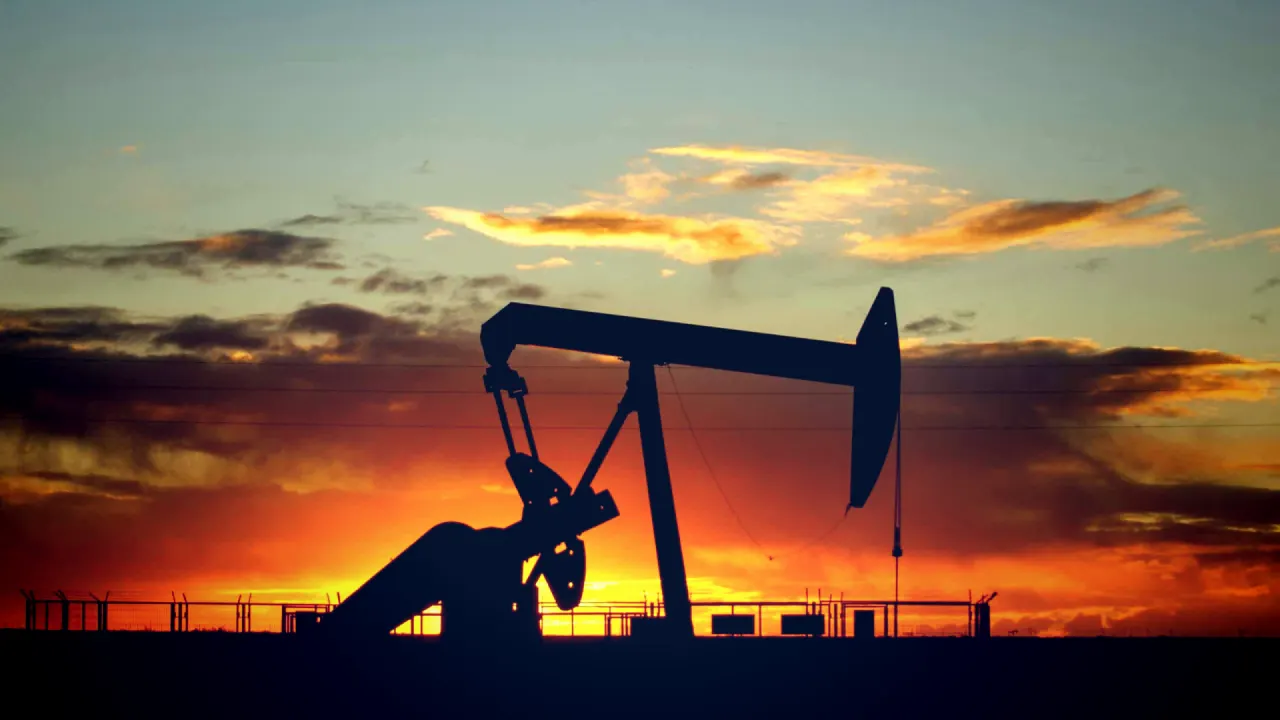
Oil prices have surged as tensions in the Middle East escalate due to the cancellation of talks between Gulf nations and Iran. The discussions, intended to address ongoing conflicts in Yemen, were suspended amid rising hostilities. This development has heightened fears of further geopolitical instability in the region, a critical factor influencing oil prices globally.
The market reaction appears to reflect an increased perception of risk, with implications for future oil price movements. The cancellation of talks between Gulf nations and Iran suggests heightened geopolitical tensions, influencing oil price increases. Current market pricing implies increased odds of crude oil reaching a new all-time high by December 31, with YES shares rising to 15.5%.
Key actors such as Mohammad Sanusi Barkindo of OPEC and Abdulaziz bin Salman Al Saud, Saudi Arabia’s Energy Minister, will be crucial in responding to these developments. Further escalations in the Middle East could push market prices higher, consistent with a YES outcome for crude oil reaching a new all-time high. Conversely, any signs of de-escalation or resumed negotiations might lead to reduced pricing pressure.
Additionally, an oil tanker exploded after reportedly colliding with mines in the Strait of Hormuz, further complicating the situation. This incident occurred in a region already on high alert due to ongoing tensions between Iran and the U.S., which have resulted in a series of maritime confrontations. The Strait of Hormuz is a critical chokepoint for global oil shipments, and such events heighten concerns about the security and stability of commercial shipping in the area.
Observers will monitor statements from key regional actors, including the IRGC and U.S. CENTCOM, which could influence market perceptions of shipping risks in Hormuz. Developments regarding the presence of sea mines or military actions could further shift market pricing. Additionally, any diplomatic initiatives aimed at de-escalating tensions may impact the outlook for shipping activities and related market scenarios.
FAQ
What caused the recent surge in oil prices?
The surge in oil prices is primarily attributed to the cancellation of talks between Gulf nations and Iran, which were intended to address ongoing conflicts in Yemen. This development has heightened geopolitical tensions in the Middle East, a critical factor influencing global oil prices.
How do geopolitical tensions in the Middle East affect oil prices?
Geopolitical tensions in the Middle East can lead to increased perceptions of risk among investors and traders, which often results in higher oil prices. Events such as military confrontations or the suspension of diplomatic talks can create uncertainty about oil supply, driving prices upward.
What role do key figures like OPEC's Mohammad Sanusi Barkindo play in this situation?
Key figures such as Mohammad Sanusi Barkindo of OPEC and Abdulaziz bin Salman Al Saud, Saudi Arabia’s Energy Minister, are crucial in responding to the evolving geopolitical landscape. Their decisions and statements can significantly influence market perceptions and oil pricing.
What incident occurred in the Strait of Hormuz, and why is it significant?
An oil tanker exploded after reportedly colliding with mines in the Strait of Hormuz. This incident is significant because the Strait is a critical chokepoint for global oil shipments, and such events heighten concerns about the security and stability of commercial shipping in the region.
What might happen if tensions in the Middle East de-escalate?
If tensions in the Middle East de-escalate or if negotiations resume, it could lead to reduced pricing pressure on oil. A more stable geopolitical environment may alleviate fears regarding supply disruptions, potentially resulting in lower oil prices.
Comments
Comments are moderated before publish.
No comments yet — be the first.