Netanyahu Confirms No Palestinian State During His Tenure Amid Ongoing Conflict
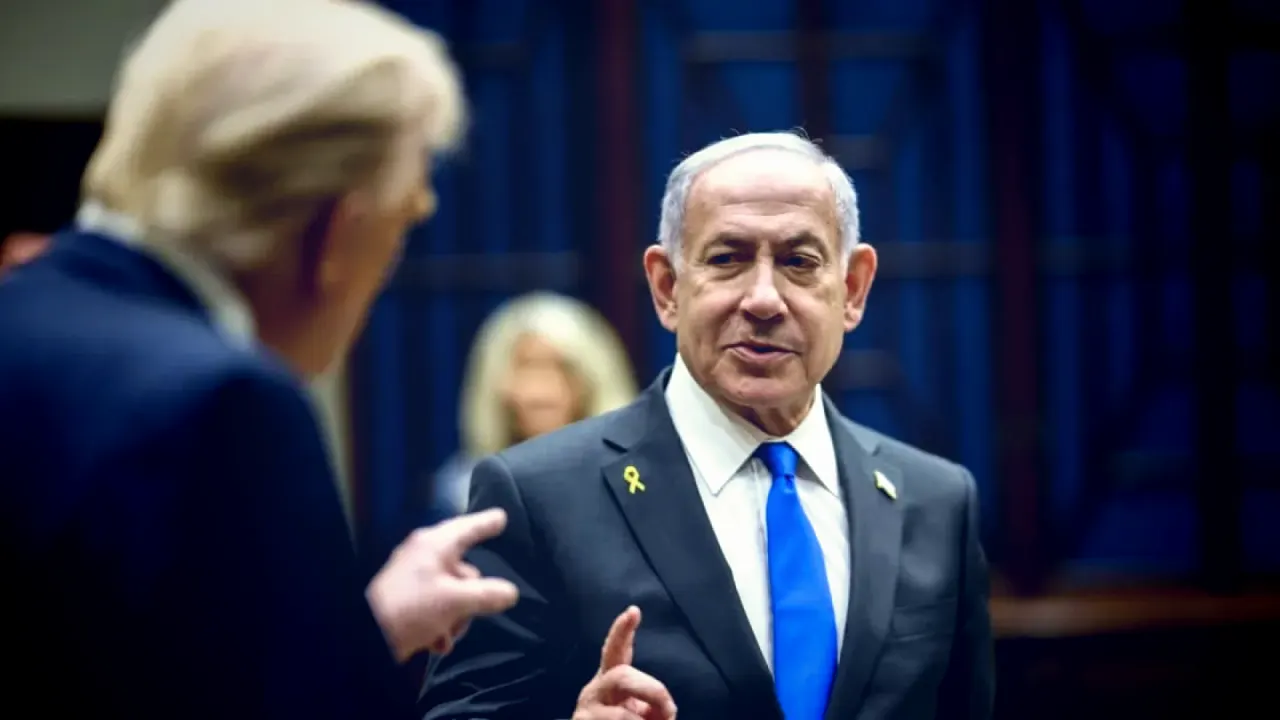
Israeli Prime Minister Benjamin Netanyahu has declared that there will be no Palestinian state in Gaza or the West Bank during his tenure. This statement reinforces Israel’s longstanding strategic stance against the establishment of a Palestinian state in these territories, which are often cited in international discussions of a two-state solution.
Netanyahu’s comments come amid ongoing conflict in Gaza and enduring Israeli control over security and borders in the West Bank. This announcement appears to underscore Israel’s rejection of the two-state framework, aligning with previous government actions that have expanded settlements and increased control in the West Bank.
Key Takeaways
- Netanyahu’s statement solidifies Israel’s position against a Palestinian state while he remains in office, impacting prospects for Palestinian recognition.
- Market pricing suggests a decreased likelihood of US recognition of Palestine before 2027, as indicated by a drop in market odds.
- The ongoing conflict and Israeli policy moves are consistent with scenarios where international recognition of a Palestinian state remains unlikely.
What to Watch
- Responses from key international players such as the United States, European Union, and United Nations are being closely monitored.
- Any significant diplomatic moves or statements from these actors could influence market perceptions about the possibility of Palestinian state recognition.
- Developments in Israeli-Palestinian relations and any shifts in Netanyahu’s policy stance could further impact market sentiment.
The geopolitical landscape remains fluid, with potential for both escalation and diplomatic breakthroughs.
Updated 14:31 UTC
New Developments:
- Israeli Prime Minister Benjamin Netanyahu has publicly rejected a US-backed disarmament framework for Hamas.
- Netanyahu stated that Israeli forces will not withdraw from Gaza until Hamas is either completely or genuinely disarmed.
- The rejection of the disarmament plan occurred shortly after Hamas accepted the same framework, reversing typical diplomatic expectations.
- Israel currently controls over 60% of Gaza, with military operations extending beyond the original ceasefire lines established in October 2025.
- The disarmament plan is part of President Trump’s broader 20-point Gaza roadmap, which includes governance and reconstruction efforts.
- The Board of Peace, established to oversee the transition from conflict to stability, is now facing challenges due to Israel's rejection of the proposal.
- The gap between the current status quo and any potential negotiated withdrawal from Gaza is widening.
FAQ
What did Netanyahu confirm regarding the establishment of a Palestinian state?
Israeli Prime Minister Benjamin Netanyahu confirmed that there will be no Palestinian state in Gaza or the West Bank during his tenure.
How does Netanyahu's statement affect the two-state solution framework?
Netanyahu's comments reinforce Israel's longstanding strategic stance against the establishment of a Palestinian state, which undermines the prospects for the two-state solution.
What are the implications of Netanyahu's announcement for international recognition of Palestine?
Market pricing suggests a decreased likelihood of US recognition of Palestine before 2027, indicating that Netanyahu's statement may impact the prospects for Palestinian recognition.
What should be monitored following Netanyahu's announcement?
Responses from key international players such as the United States, European Union, and United Nations should be closely monitored, as their statements could influence market perceptions regarding Palestinian state recognition.
What factors could influence the future of Israeli-Palestinian relations?
Developments in Israeli-Palestinian relations, shifts in Netanyahu's policy stance, and the overall geopolitical landscape could significantly impact market sentiment and the potential for diplomatic breakthroughs.
Comments
Comments are moderated before publish.
No comments yet — be the first.