Nigeria Introduces New Licensing Framework for Stablecoins and Virtual Assets
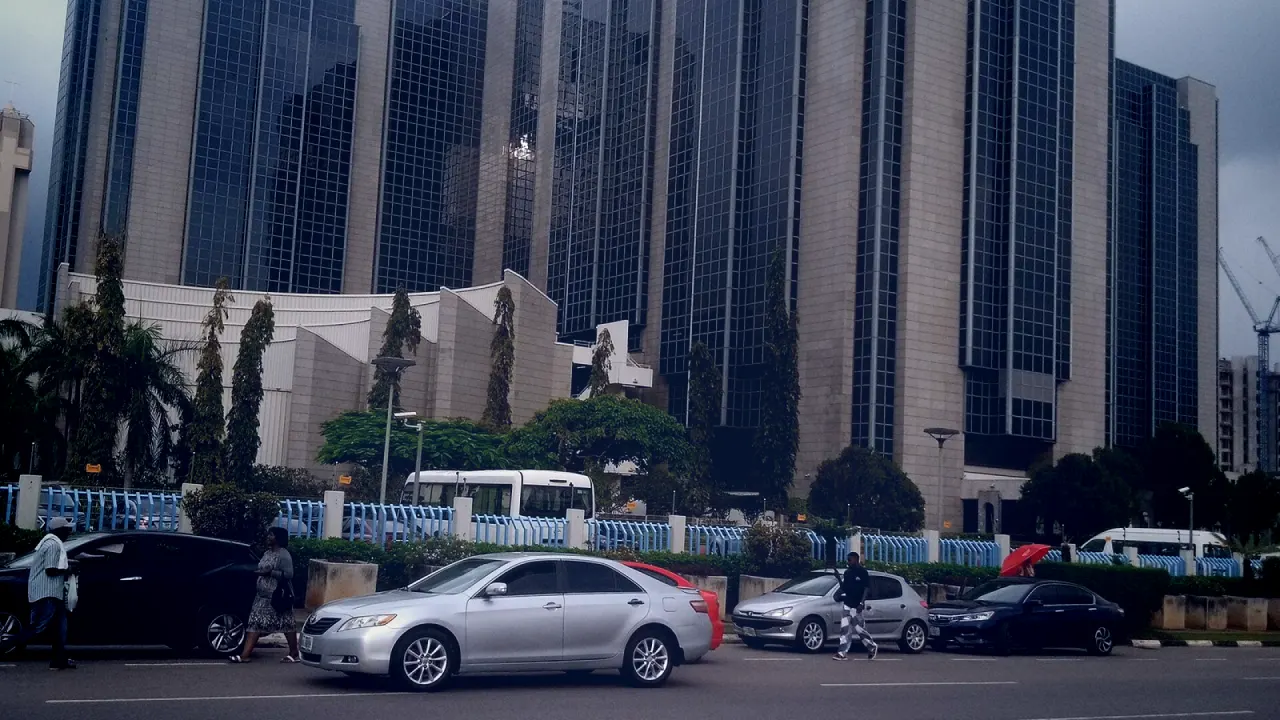
The Central Bank of Nigeria (CBN) has unveiled a new framework for the regulation of non-security virtual assets, including stablecoins, as of November 5. This regulatory move marks a significant shift from broad policy discussions to detailed rules governing the issuance and management of digital assets in the country.
The framework categorizes stablecoins into two classes: Class 1 for naira-referenced stablecoins and Class 2 for foreign-currency-backed tokens. Each class has distinct obligations, including minimum paid-up capital requirements of 10 billion naira for Class 1 and 15 billion naira for Class 2. The CBN retains the authority to impose higher capital requirements as deemed necessary.
Issuers must provide comprehensive information regarding reserves, redemption processes, and governance structures. The CBN's regulations also emphasize consumer protection, requiring anti-money laundering checks and transaction monitoring to ensure the integrity of Nigeria's financial systems.
Importantly, the framework applies to all regulated activities directed at Nigerian residents, even if conducted by foreign entities. This means that international stablecoin platforms must navigate local licensing and incorporation requirements before engaging with the Nigerian market.
As Nigeria moves towards a more structured regulatory environment for digital assets, the impact of these new rules on the market remains to be seen, particularly regarding compliance and the launch of licensed products.
FAQ
What is the new licensing framework introduced by the Central Bank of Nigeria?
The Central Bank of Nigeria (CBN) has introduced a new regulatory framework for non-security virtual assets, including stablecoins, which categorizes them into two classes and outlines specific obligations for issuers.
What are the two classes of stablecoins defined in the new framework?
The framework categorizes stablecoins into Class 1 for naira-referenced stablecoins and Class 2 for foreign-currency-backed tokens, each with distinct obligations.
What are the minimum capital requirements for issuers of stablecoins in Nigeria?
Issuers of Class 1 stablecoins must have a minimum paid-up capital of 10 billion naira, while Class 2 issuers must have at least 15 billion naira.
How does the new framework ensure consumer protection?
The CBN's regulations emphasize consumer protection by requiring anti-money laundering checks and transaction monitoring to maintain the integrity of Nigeria's financial systems.
Do foreign stablecoin platforms need to comply with the new regulations?
Yes, the framework applies to all regulated activities directed at Nigerian residents, meaning that foreign stablecoin platforms must comply with local licensing and incorporation requirements to operate in Nigeria.
Comments
Comments are moderated before publish.
No comments yet — be the first.