Nvidia Partners with Wall Street Firms to Raise $500 Billion for AI Infrastructure
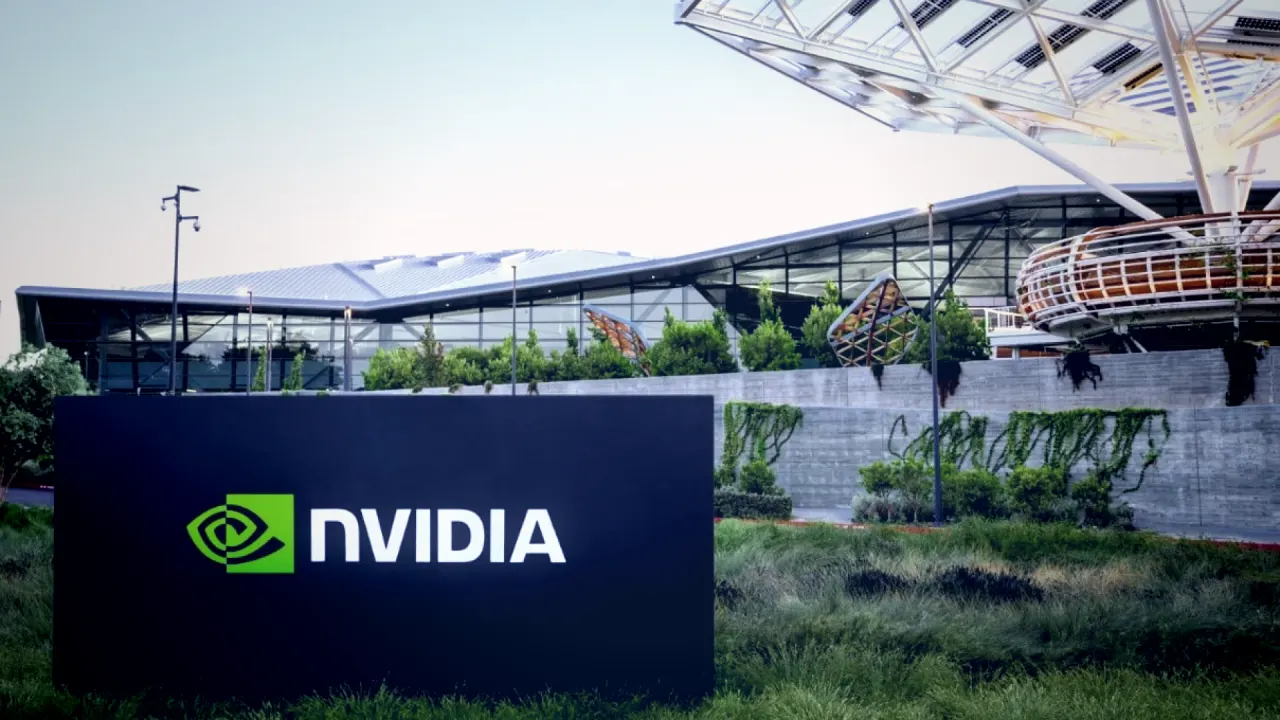
Nvidia, the world’s most valuable public company, is expanding its role in the AI sector by forming partnerships with six prominent financial firms: Apollo Global Management, BlackRock, Blackstone, Brookfield Asset Management, Goldman Sachs, and KKR. The goal of these partnerships is to establish independent financing platforms that will channel more than $500 billion into AI infrastructure projects.
The initiative aims to treat AI compute hardware and infrastructure similarly to traditional revenue-generating assets like toll roads and power plants, allowing Wall Street firms to finance the necessary hardware and facilities. These firms would then lease compute capacity to AI labs and enterprises, creating a steady revenue stream while providing AI companies access to essential resources without significant upfront costs.
Nvidia is not contributing capital or incurring debt but is offering optional residual-value support of up to 25% on select projects. This support serves as a backstop, enhancing lender confidence in the collateral. Each financial partner will create its own platform, leading to a diverse array of financing vehicles focused on the same asset class.
Despite the ambitious $500 billion target, no capital has yet been raised under these agreements, which are still in the memorandum-of-understanding phase. Analysts are monitoring the potential risks associated with Nvidia's residual-value guarantees, particularly if AI hardware depreciates more quickly than anticipated.
As the partnerships progress, Nvidia stands to benefit significantly from increased demand for its chips, driven by the construction of more data centers.
Updated 21:32 UTC
Nvidia's Influence on AI Policy
On September 29, 2023, Nvidia CEO Jensen Huang participated in a White House luncheon with President Trump and other tech leaders, discussing the future of AI governance. The meeting resulted in a voluntary self-regulation accord for the AI industry, emphasizing self-policing over government mandates.
President Trump highlighted the significance of AI, comparing it to the industrial revolution, and suggested rebranding AI technology as "super intelligence." Treasury Secretary Scott Bessent confirmed the administration's alignment with Huang's views on AI policy.
Huang has been influential in adjusting export rules for advanced chips, including the H200, allowing limited sales to Chinese buyers with a condition of a 25% revenue cut to the US. His advocacy focuses on market-driven safety measures and maintaining American dominance in AI technology.
The self-regulation accord emphasizes innovation speed, which could lead to continued momentum for US tech companies. However, there are risks involved; a major AI safety incident could provoke a swift political backlash against companies that rely on this regulatory freedom.
FAQ
What is the purpose of Nvidia's partnerships with Wall Street firms?
Nvidia's partnerships with six prominent financial firms aim to establish independent financing platforms that will channel over $500 billion into AI infrastructure projects, treating AI compute hardware similarly to traditional revenue-generating assets.
How will the financing platforms benefit AI companies?
The financing platforms will allow AI companies to access essential compute hardware and facilities without significant upfront costs, as Wall Street firms will finance the necessary infrastructure and lease the compute capacity to them.
Is Nvidia contributing capital to these financing initiatives?
No, Nvidia is not contributing capital or incurring debt; instead, it is offering optional residual-value support of up to 25% on select projects to enhance lender confidence.
What are the potential risks associated with Nvidia's residual-value guarantees?
Analysts are concerned that if AI hardware depreciates more quickly than anticipated, it could pose risks to Nvidia's residual-value guarantees, affecting lender confidence and the overall financing structure.
What is the current status of the capital raised under these agreements?
As of now, no capital has been raised under these agreements, which are still in the memorandum-of-understanding phase, indicating that the partnerships are still in the early stages of development.
Comments
Comments are moderated before publish.
No comments yet — be the first.