Oil Prices Decline Amid U.S.-Iran Peace Talks and Market Sentiment
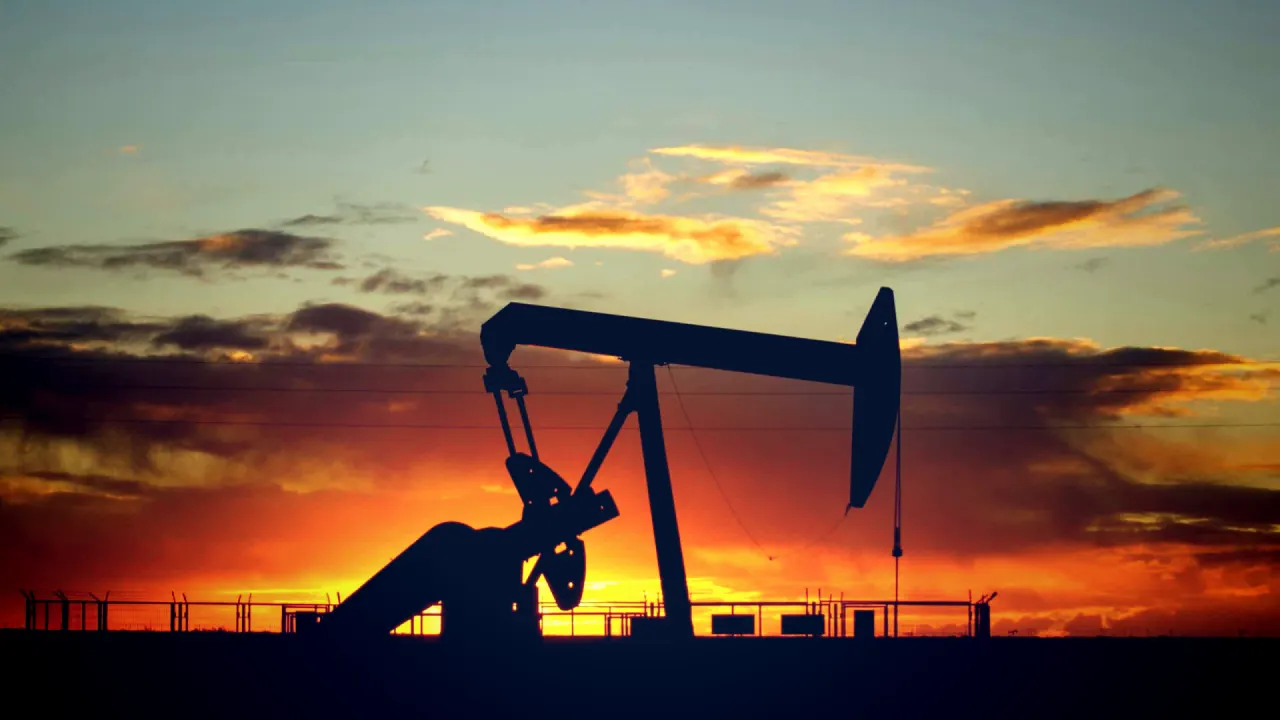
Recent developments in the Middle East have led to a drop in oil prices, with Brent crude falling below $80 per barrel and West Texas Intermediate (WTI) slipping under $75. This decline follows reports of resumed peace talks between the United States and Iran, despite Iranian officials denying direct negotiations.
Market participants appear to be pricing in a belief that geopolitical risks may be alleviated sooner rather than later, as indicated by prediction markets. The likelihood of crude oil reaching a new all-time high by September 30 is currently assessed at just 3%. Furthermore, the outlook for oil prices by the end of the year remains subdued, with a 10.5% probability of achieving a new all-time high by December 31.
Key Takeaways
- Market behavior reflects support for a NO outcome on significant oil price rallies amidst ongoing Middle East disruptions.
- Low probabilities of reaching new all-time highs suggest expectations of geopolitical de-escalation.
- Market participants should monitor U.S.-Iran peace talks and any shifts in OPEC policies or global demand forecasts.
Updated 13:01 UTC
Latest Developments in Oil Markets
- Vice President JD Vance announced that Iran will not impose tolls on oil transiting the Strait of Hormuz as part of a memorandum of understanding reached in mid-June 2026.
- Daily oil volumes through the Strait of Hormuz increased to between 12.5 million and 16 million barrels following the agreement, a recovery from wartime lows.
- Oil prices for WTI and Brent crude fell to approximately $70 to $73 per barrel by late June 2026, marking a 40% drop from wartime peaks near $120.
- US gasoline prices fell below $4 per gallon for the first time since the conflict escalated.
- Total vessel traffic through the Strait of Hormuz remains below pre-war standards, with around 240 ship passages over one recent week compared to the usual 130 to 150 daily crossings.
- War-risk insurance premiums are still high, reflecting ongoing uncertainties in the region.
Updated 22:05 UTC
New Developments in the Strait of Hormuz
Iran and Oman have reached an agreement on the coordinates for vessel routes through the Strait of Hormuz, as reported by Al Jazeera English. This agreement is seen as a significant step towards technical and security de-escalation in the region.
The coordination between Iran and Oman could influence future maritime management discussions, particularly in light of the Strait of Hormuz being a critical global energy chokepoint.
Market pricing indicates a decreased likelihood of the U.S. imposing fees in the Strait, as attention remains focused on Iran’s actions in the waterway.
Observers are anticipating a formal joint statement from Iran and Oman regarding the shipping routes, while potential third-party objections could impact the fragile status of this arrangement.
Updated 22:05 UTC
New Developments in U.S.-Iran Peace Talks
Oman has reported positive developments in negotiations concerning the Strait of Hormuz, a crucial maritime passage, amid ongoing discussions between Iran and the United States.
Iran has warned that even if a deal is reached, it may not result in the reopening of the strait, adding uncertainty to the negotiations focused on resuming normal shipping operations.
The probability of a U.S.-Iran agreement by August 15 has decreased, reflecting the uncertainty introduced by Iran’s recent statements.
Market activity indicates that participants are responding to Iran’s warning, while Oman expresses optimism about the talks.
Negotiations are reportedly discussing specifics like route coordinates and navigation management, but the Strait of Hormuz remains a potential flashpoint in ongoing geopolitical tensions.
Key Takeaways:
- Market activity suggests a cautious response to Iran’s warning regarding the reopening of the Strait of Hormuz.
- Positive indications from Oman contrast with Iran’s firm stance, indicating the strait remains strategically significant.
What to Watch:
- Official statements from the U.S. and Iranian governments could influence the odds of an agreement.
- Developments such as a joint announcement or increased shipping traffic could indicate progress.
- Conversely, reports of failed negotiations or military tensions could decrease market confidence in a resolution.
Updated 22:05 UTC
New Developments in U.S.-Iran Relations
Vice President JD Vance has announced that Iran has assured the United States it will not impose tolls on the Strait of Hormuz, a critical maritime passage for global oil shipping. This assurance is seen as a de-escalation of previous tensions surrounding control of the strait.
Market pricing indicates a decrease in the likelihood of Iran imposing fees by the August 31 deadline, with odds dropping from 10% to 9.5% within the last 24 hours.
Observers are advised to watch for further communications from U.S. and Iranian officials, as well as statements from regional actors, which may impact market expectations.
FAQ
What recent events have contributed to the decline in oil prices?
The decline in oil prices is attributed to resumed peace talks between the United States and Iran, despite Iranian officials denying direct negotiations.
What are the current prices for Brent crude and West Texas Intermediate (WTI)?
As of the latest reports, Brent crude has fallen below $80 per barrel, while West Texas Intermediate (WTI) has slipped under $75.
What is the market sentiment regarding the likelihood of oil prices reaching new all-time highs?
The likelihood of crude oil reaching a new all-time high by September 30 is assessed at just 3%, and by December 31, the probability is only 10.5%.
How are market participants reacting to geopolitical risks in the Middle East?
Market participants appear to be pricing in a belief that geopolitical risks may be alleviated sooner rather than later, reflecting support for a NO outcome on significant oil price rallies.
What should market participants monitor in relation to oil prices?
Market participants should monitor U.S.-Iran peace talks, any shifts in OPEC policies, and global demand forecasts to better understand potential movements in oil prices.
Comments
Comments are moderated before publish.
No comments yet — be the first.