Oil Prices Remain Elevated Amid Ongoing Middle East Tensions
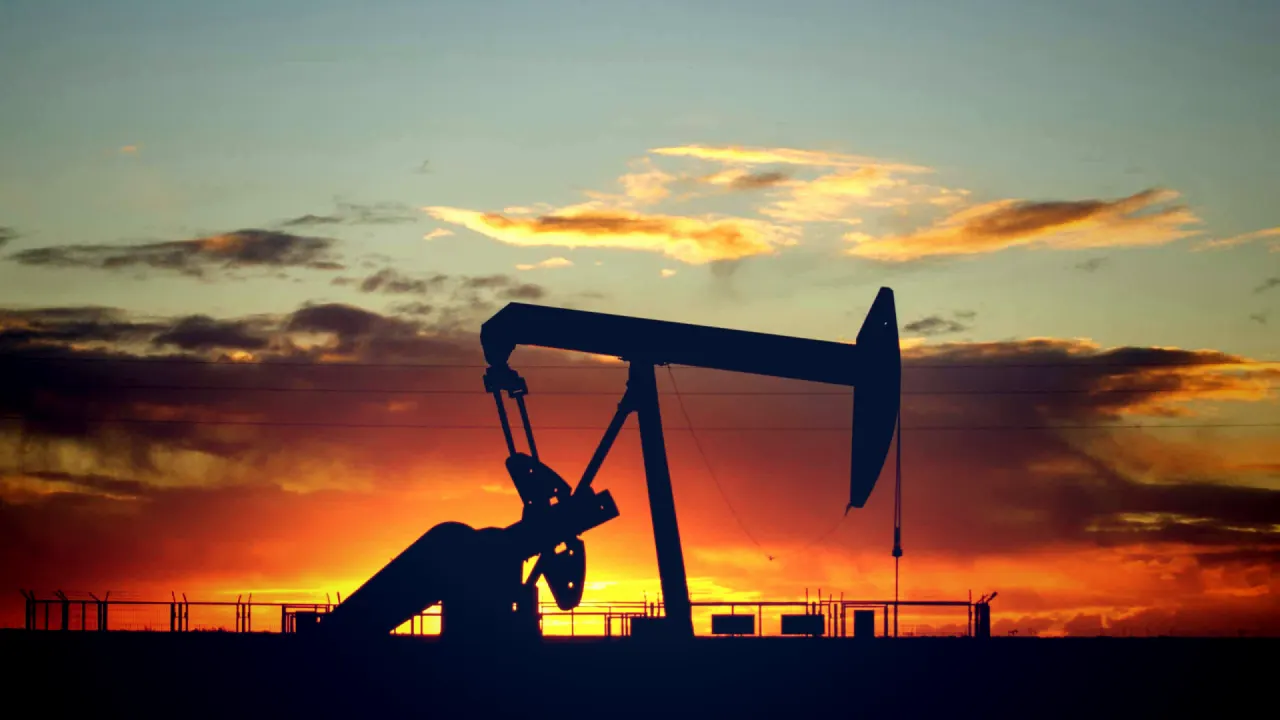
West Texas Intermediate (WTI) crude oil prices are currently maintaining levels above $89.50 per barrel due to renewed hostilities in the Middle East, as reported by FirstSquawk. This geopolitical unrest has underscored the region's critical role in global oil supply, particularly concerning the Strait of Hormuz, a vital chokepoint for oil shipments.
Historically, such escalations in the Middle East have led to a geopolitical risk premium, causing oil prices to rise amid fears of supply disruptions. The current market conditions reflect this sensitivity, with WTI prices fluctuating within the mid-$80s to low-$90s range during recent conflicts.
Key Market Insights
- WTI crude oil prices are influenced by the ongoing tensions in the Middle East, remaining above $89.50.
- The market is factoring in a geopolitical risk premium due to potential supply disruptions.
- Pricing trends indicate a consistent response to escalations around the Strait of Hormuz.
What to Watch
Market observers should closely monitor developments in the Middle East, as any further escalation could significantly impact oil supply routes and pricing dynamics. Key organizations such as OPEC and the International Energy Agency (IEA) are expected to release statements that may influence market perceptions. Additionally, shifts in crude oil pricing could provide insights into market expectations as the year progresses.
FAQ
Why are oil prices currently elevated?
Oil prices are elevated due to renewed hostilities in the Middle East, which have raised concerns about potential supply disruptions in this critical region.
What is the current price range for West Texas Intermediate (WTI) crude oil?
WTI crude oil prices are currently maintaining levels above $89.50 per barrel, fluctuating within the mid-$80s to low-$90s range.
How does geopolitical unrest affect oil prices?
Geopolitical unrest, particularly in oil-rich regions like the Middle East, often leads to a risk premium in oil prices as markets react to fears of supply disruptions.
What should market observers monitor regarding oil prices?
Market observers should closely monitor developments in the Middle East, as further escalations could significantly impact oil supply routes and pricing dynamics.
Which organizations may influence oil market perceptions?
Key organizations such as OPEC and the International Energy Agency (IEA) are expected to release statements that may influence market perceptions and pricing trends.
Comments
Comments are moderated before publish.
No comments yet — be the first.