OPEC+ Maintains Oil Output Policy Amid Middle East Tensions
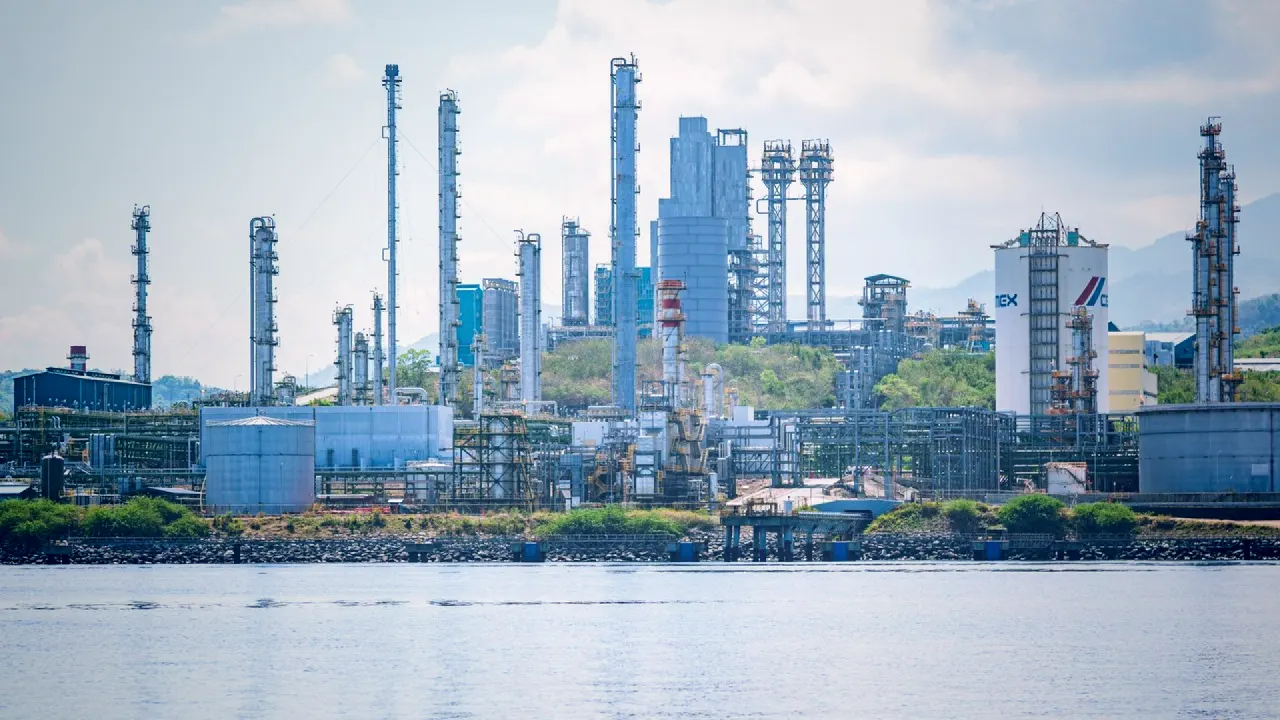
OPEC+ will maintain its oil output policy unchanged during its upcoming meeting, opting to keep production levels flat for October 2026. This decision follows the completion of a months-long rollback of voluntary cuts, with the last adjustment made in September 2026, which added 188,000 barrels per day (bpd) to the market.
The alliance, consisting of seven core members including Saudi Arabia, Russia, and Iraq, is allowing the market to absorb the additional supply before making further adjustments. A broader set of OPEC+ cuts, totaling approximately 2 million bpd, will remain in effect until December 31, 2026.
The upcoming meeting on September 6-7 is expected to be largely procedural, with significant discussions occurring behind the scenes. A capacity review due by the end of September will inform negotiations for 2027 production quotas.
Geopolitical tensions, particularly the ongoing conflict involving Iran, have disrupted oil exports through the Strait of Hormuz, complicating the market dynamics. Despite the official production quotas, actual output has consistently fallen short, indicating that the alliance is operating below its capacity.
As the end of the year approaches, OPEC+ faces critical decisions regarding the future of the broader cuts, with differing views among member countries on whether to extend, replace, or let them lapse. This capacity review will be crucial in shaping the negotiations for the upcoming year.
FAQ
What is the current oil output policy of OPEC+?
OPEC+ will maintain its oil output policy unchanged, keeping production levels flat for October 2026.
What recent adjustments were made to OPEC+ production levels?
In September 2026, OPEC+ added 188,000 barrels per day to the market as part of a months-long rollback of voluntary cuts.
What is the significance of the upcoming OPEC+ meeting on September 6-7?
The meeting is expected to be largely procedural, but significant discussions regarding future production quotas and capacity reviews will occur behind the scenes.
How are geopolitical tensions affecting OPEC+ oil exports?
Ongoing conflicts, particularly involving Iran, have disrupted oil exports through the Strait of Hormuz, complicating market dynamics.
What decisions does OPEC+ face as the end of the year approaches?
OPEC+ must decide whether to extend, replace, or let lapse the broader cuts totaling approximately 2 million barrels per day, informed by a capacity review due by the end of September.
Comments
Comments are moderated before publish.
No comments yet — be the first.