Qatar Extends Force Majeure on LNG Supplies Amid Ongoing Strait of Hormuz Tensions
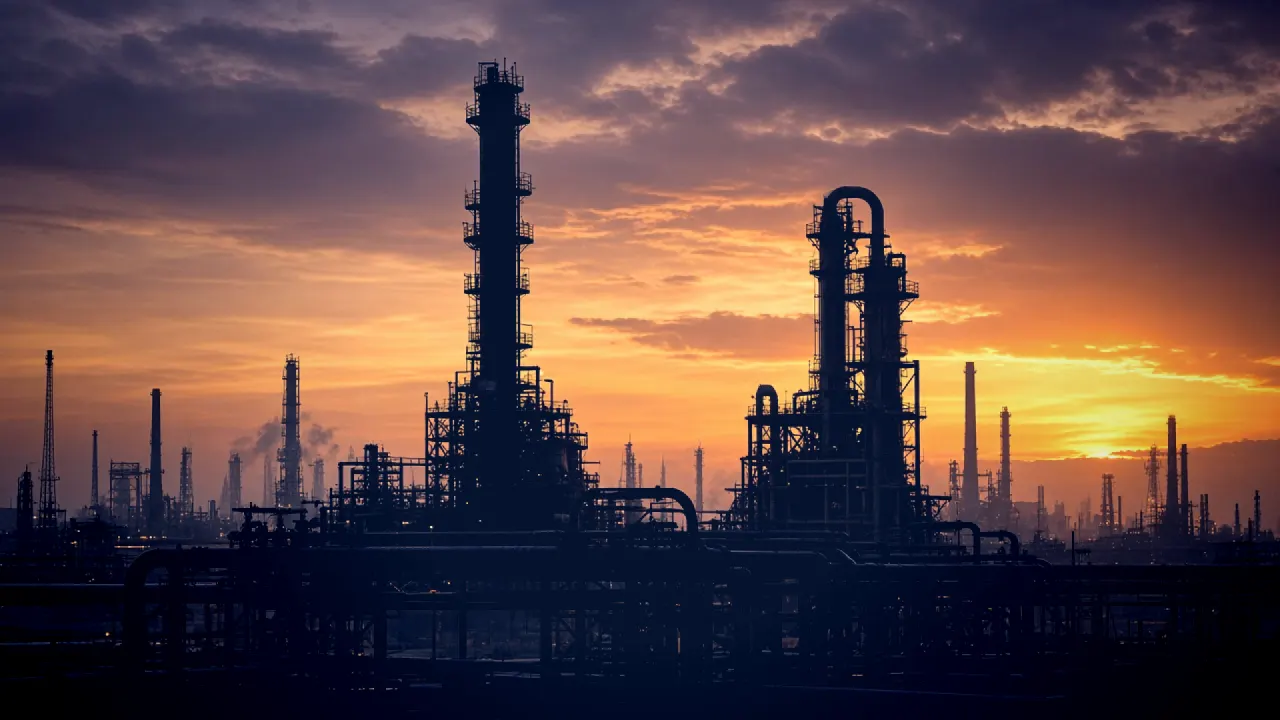
QatarEnergy has announced a one-month extension of its force majeure declarations on liquefied natural gas (LNG) deliveries, citing ongoing uncertainties regarding the reopening of the Strait of Hormuz to commercial tanker traffic. This latest extension impacts buyers across Europe and Asia, potentially stretching delivery timelines into mid-September or even October 2026.
The situation originated in early March 2026, when Iranian missile strikes damaged Qatar’s Ras Laffan LNG complex, resulting in a significant loss of processing capacity—approximately 12.8 million tons per annum, or 17% of Qatar's total output. Following this incident, QatarEnergy declared force majeure, a decision that has been extended multiple times due to the continued instability in the region.
The conflict involving the US, Israel, and Iran has kept the Strait of Hormuz in a state of disruption, with Iranian attacks on maritime trade persisting into July 2026. The latest extension affects long-term contract holders in countries such as South Korea, India, Bangladesh, and Italy. For instance, Edison, an Italian energy company, has seen 24 cargoes impacted, translating to roughly 3 billion cubic meters of natural gas.
QatarEnergy is facing an estimated annual revenue loss of around $20 billion due to these disruptions. Buyers unable to receive their contracted volumes are being forced to turn to the spot market, where prices have surged significantly. As nearly 20% of global LNG supply faces some form of disruption, Asian and European LNG spot prices have risen accordingly.
In response to the crisis, US LNG exporters have become a key alternative for buyers in both regions, with procurement efforts shifting toward American cargoes. QatarEnergy is also attempting to mitigate the situation by offering its LNG tankers on spot deals.
As winter approaches, countries in the northern hemisphere typically begin building gas inventories during the summer and early fall. With Qatari supply remaining uncertain through at least September, the timeframe for adequate stockpiling is diminishing. The recovery timeline at Ras Laffan is another critical factor, as restoring the 17% capacity loss from the damage could take between three to five years.
FAQ
What is the reason for QatarEnergy's force majeure declaration on LNG supplies?
QatarEnergy declared force majeure on LNG supplies due to uncertainties regarding the reopening of the Strait of Hormuz to commercial tanker traffic, following Iranian missile strikes that damaged Qatar’s Ras Laffan LNG complex.
How long has the force majeure been extended?
The force majeure has been extended for an additional month, impacting delivery timelines potentially stretching into mid-September or even October 2026.
Which countries are affected by the LNG supply disruptions?
Countries such as South Korea, India, Bangladesh, and Italy are affected, with long-term contract holders facing significant impacts on their LNG deliveries.
What financial impact is QatarEnergy facing due to these disruptions?
QatarEnergy is facing an estimated annual revenue loss of around $20 billion due to the disruptions in LNG supplies.
How are buyers responding to the LNG supply shortages?
Buyers unable to receive their contracted volumes are turning to the spot market, where prices have surged significantly, and are increasingly procuring LNG from US exporters as an alternative.
Comments
Comments are moderated before publish.
No comments yet — be the first.