Saudi Arabia Increases Oil Exports Amid Pipeline Speculation and Houthi Disruptions
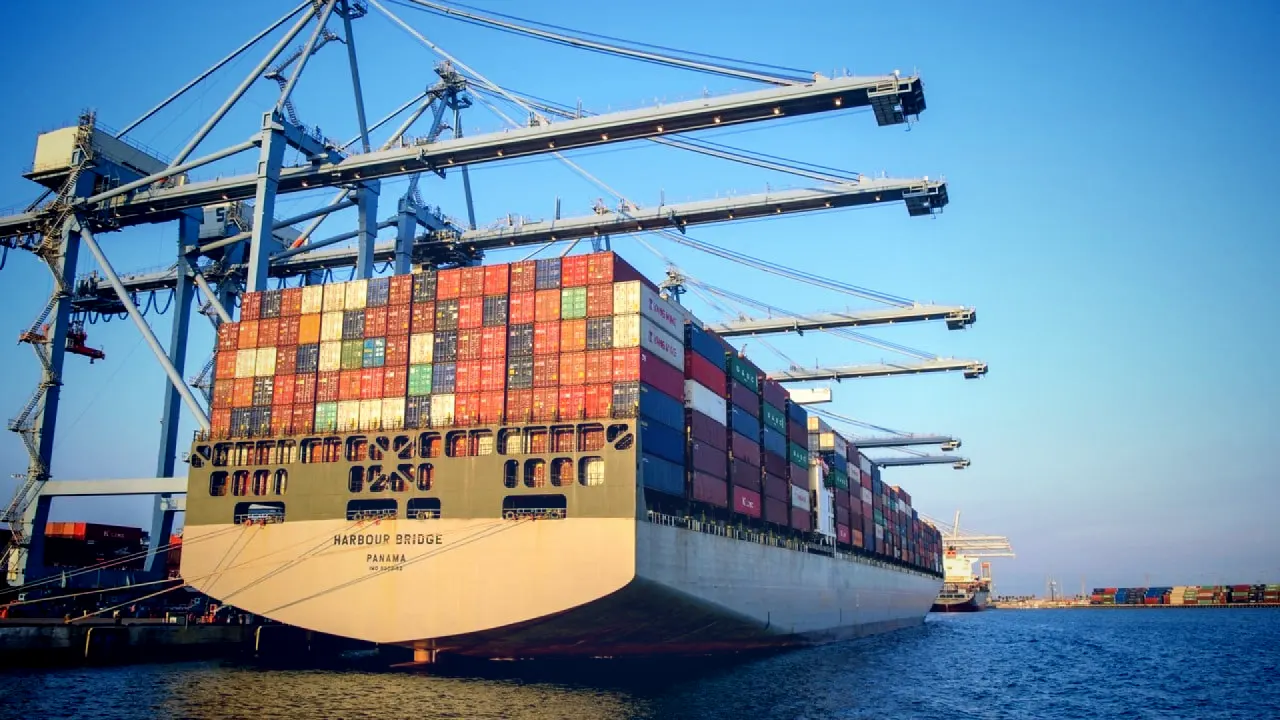
Saudi Arabia has significantly increased its oil exports through the Persian Gulf over the weekend, a move interpreted as a strategic response to recent disruptions in the Yanbu region caused by Houthi missile strikes. These strikes have affected operations on the East-West Oil Pipeline, a crucial artery for Saudi crude shipments.
The uptick in exports is seen by market participants as a potential indication that Saudi Arabia might be preparing to restart the East-West pipeline, which has been the subject of speculation amid ongoing regional tensions. Current market predictions show mixed expectations regarding the pipeline's potential restart, with the likelihood of a restart by September 30 priced at 31.5%, down from 34% just a day earlier. Conversely, the odds for a restart by November 1 are more favorable, currently priced at 76.5%.
The disruptions have led to a significant decrease in Saudi Arabia's oil supply to the global market, marking a multi-decade low in August 2026. If the pipeline remains offline, it could potentially remove up to 4% of global oil supply, according to industry reports.
Key Takeaways
- The increase in oil exports suggests a shift in Saudi Arabia’s operational strategy amidst pipeline disruptions.
- Market confidence in a quick resolution for the pipeline's restart has decreased, with lower odds for a September 30 restart.
- Continued volatility in global oil supply is expected, particularly if further Houthi strikes occur.
What to Watch
- Monitor official communications from the Saudi Ministry of Energy or Saudi Aramco regarding pipeline operations and repair progress.
- Keep an eye on developments related to the Houthi movement that could impact market expectations and the likelihood of a pipeline restart.
FAQ
Why has Saudi Arabia increased its oil exports recently?
Saudi Arabia has increased its oil exports as a strategic response to recent disruptions in the Yanbu region caused by Houthi missile strikes, which have affected operations on the East-West Oil Pipeline.
What is the significance of the East-West Oil Pipeline?
The East-West Oil Pipeline is a crucial artery for Saudi crude shipments, and its operational status directly impacts Saudi Arabia's oil supply to the global market.
What are the current market predictions regarding the pipeline's potential restart?
Current market predictions show mixed expectations, with the likelihood of a restart by September 30 priced at 31.5%, while the odds for a restart by November 1 are more favorable at 76.5%.
What could happen if the pipeline remains offline?
If the pipeline remains offline, it could potentially remove up to 4% of global oil supply, leading to continued volatility in the oil market.
What should investors monitor regarding the situation?
Investors should monitor official communications from the Saudi Ministry of Energy or Saudi Aramco regarding pipeline operations and repair progress, as well as developments related to the Houthi movement that could impact market expectations.
Comments
Comments are moderated before publish.
No comments yet — be the first.