La SEC met en place une Exemption d'Innovation pour le Trading de Titres Tokenisés aux États-Unis
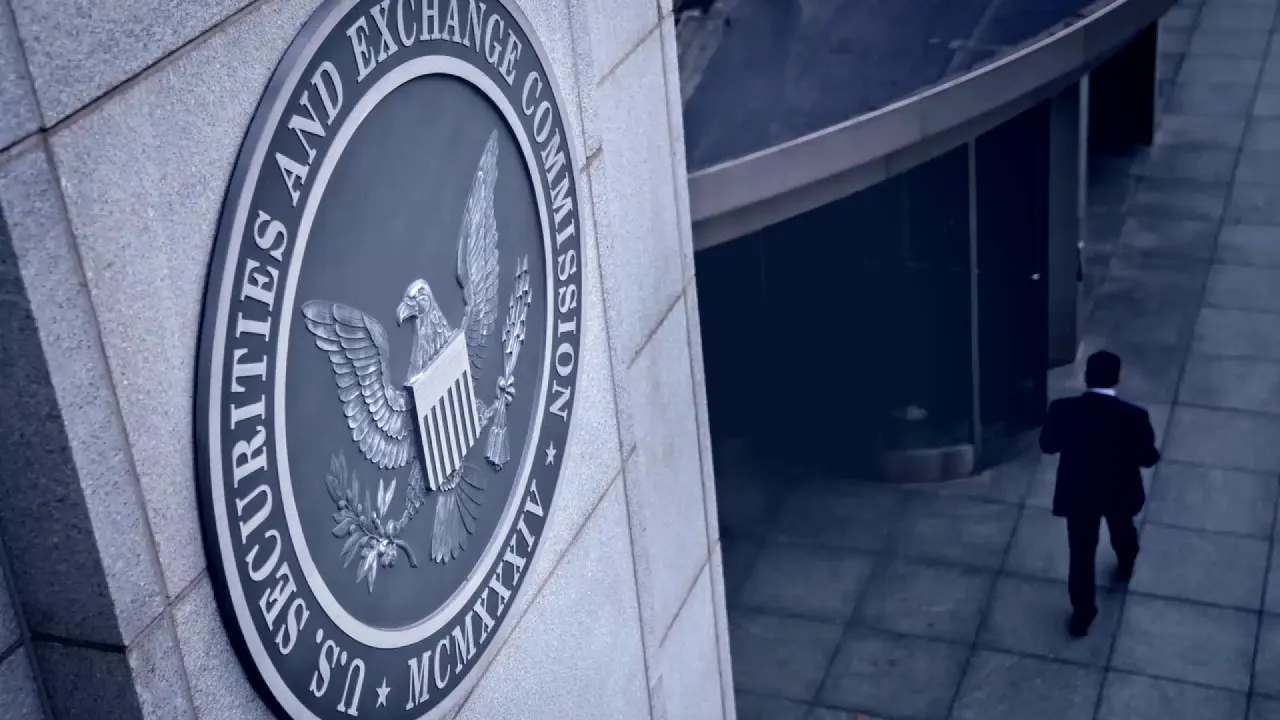
La Commission des valeurs mobilières des États-Unis (SEC) a franchi une étape importante dans l'évolution des marchés financiers en annonçant le 17 septembre une Exemption d'Innovation temporaire. Cette exemption permet le trading de versions tokenisées des actions américaines sur des plateformes basées sur la blockchain, contournant ainsi le blocage législatif qui a entravé l'avancement de la loi CLARITY au Sénat.
L'Exemption d'Innovation permet aux nouveaux lieux de titres tokenisés (Tokenized Securities Venues - TSV) de faciliter le trading en chaîne des actions au sein de l'indice Russell 1000 et de certains ETF. Ces titres tokenisés doivent conserver les mêmes droits que leurs homologues traditionnels, y compris les dividendes et les droits de vote. L'exemption est prévue pour durer cinq ans, période durant laquelle la SEC collectera des données et des retours d'expérience pour informer les futurs cadres réglementaires.
Le président de la SEC, Paul S. Atkins, a souligné l'importance de cette initiative, la qualifiant d'étape cruciale vers la modernisation des marchés de capitaux. Cette décision intervient après l'échec du Sénat à adopter la loi CLARITY, qui visait à établir une structure de marché complète pour les actifs numériques.
L'exemption permet aux plateformes de mettre en relation acheteurs et vendeurs d'actions tokenisées sans avoir besoin de s'enregistrer en tant qu'échanges traditionnels. Ce cadre réglementaire devrait améliorer la liquidité et l'efficacité des transactions, en particulier pour les investisseurs particuliers qui pourraient bénéficier de la propriété fractionnée et des options de garde autonome.
De plus, l'exemption ouvre la voie à un trading natif blockchain des actions américaines réglementées, transformant potentiellement le marché boursier américain de 77 trillions de dollars. Elle reflète également une tendance croissante vers un trading continu et une plus grande accessibilité au-delà des heures de marché conventionnelles.
Bien que la SEC ait ouvert la porte à l'innovation, elle a également imposé certaines limitations. Les émetteurs d'entreprise conservent le droit de bloquer la tokenisation de leurs titres, et le cadre comprend diverses exigences de transparence et de reporting pour garantir la conformité et protéger les investisseurs.
FAQ
Qu'est-ce que l'Exemption d'Innovation annoncée par la SEC ?
L'Exemption d'Innovation est une mesure temporaire qui permet le trading de versions tokenisées des actions américaines sur des plateformes basées sur la blockchain, permettant aux Lieux de Titres Tokenisés (LTT) de faciliter le trading on-chain des actions au sein de l'indice Russell 1000 et de certains ETF.
Combien de temps l'Exemption d'Innovation durera-t-elle ?
L'Exemption d'Innovation est prévue pour durer cinq ans, durant lesquels la SEC collectera des données et des retours d'expérience pour informer les futurs cadres réglementaires.
Quels droits les titres tokenisés conservent-ils par rapport aux titres traditionnels ?
Les titres tokenisés doivent conserver les mêmes droits que leurs homologues traditionnels, y compris les dividendes et les droits de vote.
Quel impact l'Exemption d'Innovation est-elle censée avoir sur les investisseurs particuliers ?
L'exemption devrait améliorer la liquidité et l'efficacité du trading, en particulier pour les investisseurs particuliers, qui pourraient bénéficier de la propriété fractionnée et des options de garde autonome.
Y a-t-il des limitations associées à l'Exemption d'Innovation ?
Oui, les émetteurs d'entreprise conservent le droit de bloquer la tokenisation de leurs titres, et le cadre comprend diverses exigences de transparence et de reporting pour garantir la conformité et protéger les investisseurs.
Commentaires
Les commentaires sont modérés avant publication.
Pas encore de commentaires — soyez le premier.