SEC Proposes Crypto Framework to Attract Innovators Back to the U.S.
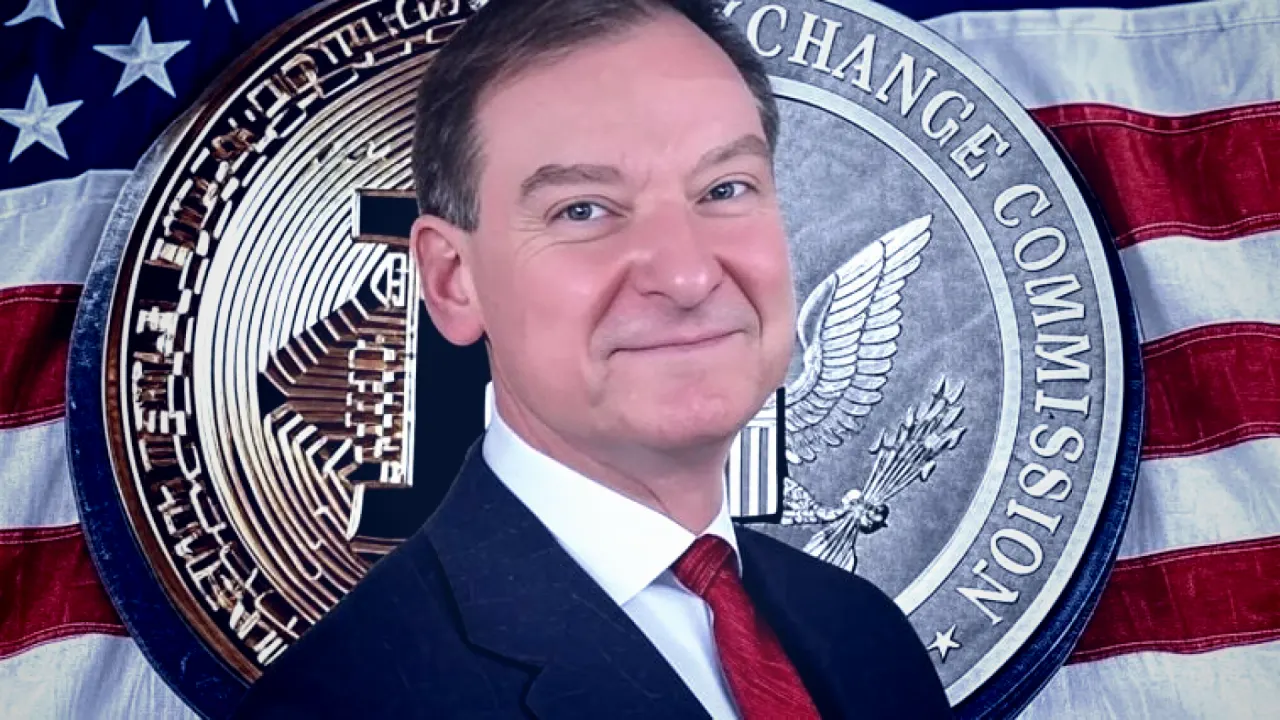
In a recent interview, SEC Chairman Paul Atkins outlined the agency's proposed regulatory framework for cryptocurrencies, which he believes will help reshore innovators who have moved offshore. This initiative aligns with the upcoming vote on the CLARITY Act, scheduled for September 15.
Atkins emphasized that the SEC's proposal represents a significant step towards fulfilling the president's vision of establishing the U.S. as a global leader in the crypto space. He noted that the framework includes exemptions related to fundraising and aims to create a legal environment conducive to innovation.
The SEC is currently soliciting public comments to refine the rules in line with the CLARITY Act, should it pass. Atkins remarked that previous policies had inadvertently pushed innovators abroad, and he stressed the need for a stable legal framework to encourage investment and participation within the U.S.
While Atkins expressed confidence in the Senate's support for the CLARITY Act, he acknowledged that the SEC has the authority to advance its proposal even without congressional approval. However, he underscored the importance of statutory backing for long-term sustainability and stability of the regulations.
Updated 17:33 UTC
New Developments on SEC's Crypto Framework
- The SEC proposed a major overhaul of transfer-agent rules on September 1, 2023, allowing blockchain technology to serve as a master securityholder file.
- Transfer agents will retain control over the official shareholder file, ensuring its accuracy and security.
- Proposed changes include replacing paper-based requirements with electronic recordkeeping standards and enhancing reporting around tokenization.
- Securitize, a registered transfer agent managing over $4 billion in assets, supports the proposal, advocating for the integration of public blockchains in securities recordkeeping.
- The SEC's proposal does not mandate blockchain use; transfer agents can choose their technology while ensuring security and accessibility.
- Proposed changes to Form TA-2 would require reporting on securities using distributed ledgers and tokenization platforms.
- Despite advancements, the SEC's framework still requires traditional identity information, such as a shareholder's full name and physical address, alongside digital wallet addresses.
- Public comments on the proposal are due 60 days after its publication in the Federal Register, which has yet to be scheduled as of September 1, 2023.
Updated 18:01 UTC
New Insights on Stablecoins and Digital Finance
- Circle's President Heath Tarbert testified before the House Financial Services Committee on September 2, emphasizing the need for the U.S. to leverage stablecoins to maintain the dollar's dominance in global payments.
- Circle's USDC stablecoin currently has a market value of approximately $70-75 billion, with projections suggesting the stablecoin market could grow to trillions in total capitalization.
- Circle received a national trust bank charter from the Office of the Comptroller of the Currency on July 10, 2026, followed by a limited-purpose trust charter from the New York Department of Financial Services on July 31, 2026.
- The GENIUS Act, signed into law on July 18, 2025, established the first federal licensing framework for payment stablecoins, with full enforcement set to begin in January 2027.
- USDC has processed trillions in cumulative transaction volumes, increasingly being used for non-speculative purposes such as cross-border payments and corporate treasury management.
- The Open USD consortium, backed by major companies like Stripe, Coinbase, Visa, and BlackRock, poses a competitive challenge to existing stablecoins.
- As of now, USDC ranks as the second-largest dollar-pegged stablecoin by market capitalization.
Updated 18:32 UTC
New Developments in the Crypto Clarity Act
- Brian Armstrong, CEO of Coinbase, asserts that most banks view the Digital Asset Market Clarity Act positively, despite public opposition from some banking trade groups.
- Armstrong highlighted this divide at the World Liberty Forum in February 2026, emphasizing that resistance primarily comes from trade groups rather than individual banks.
- Coinbase is actively supporting crypto infrastructure development for five major banks.
- The Senate Banking Committee advanced the CLARITY Act with a bipartisan vote of 15-9 in May 2026, following negotiations on stablecoin rewards.
- Armstrong suggested that the bill could be voted on by September 15, 2026.
- JPMorgan CEO Jamie Dimon publicly disagreed with Armstrong's view on bank sentiment, stating that banks will not accept the situation as described.
- The CLARITY Act aims to split regulatory oversight of digital assets between the SEC and the CFTC, while also establishing a framework for stablecoin regulations under the GENIUS Act.
- This bill has garnered bipartisan support and backing from the Trump administration, indicating a significant shift in the legislative landscape for crypto.
- Major banks are already collaborating with Coinbase on infrastructure, suggesting a proactive approach from the private sector in anticipation of regulatory developments.
FAQ
What is the SEC's proposed regulatory framework for cryptocurrencies?
The SEC's proposed regulatory framework aims to create a legal environment conducive to innovation in the cryptocurrency space, including exemptions related to fundraising.
What is the purpose of the CLARITY Act?
The CLARITY Act is designed to provide clear regulations for cryptocurrencies, helping to attract innovators back to the U.S. and establish the country as a global leader in the crypto industry.
When is the vote on the CLARITY Act scheduled?
The vote on the CLARITY Act is scheduled for September 15.
How does the SEC plan to refine its rules for cryptocurrencies?
The SEC is currently soliciting public comments to refine the proposed rules in alignment with the CLARITY Act, should it pass.
Can the SEC advance its proposal without congressional approval?
Yes, the SEC has the authority to advance its proposal even without congressional approval, but statutory backing is important for the long-term sustainability and stability of the regulations.
Comments
Comments are moderated before publish.
No comments yet — be the first.