Ship Attacked Near Strait of Hormuz Amid Ongoing Iran-U.S. Tensions
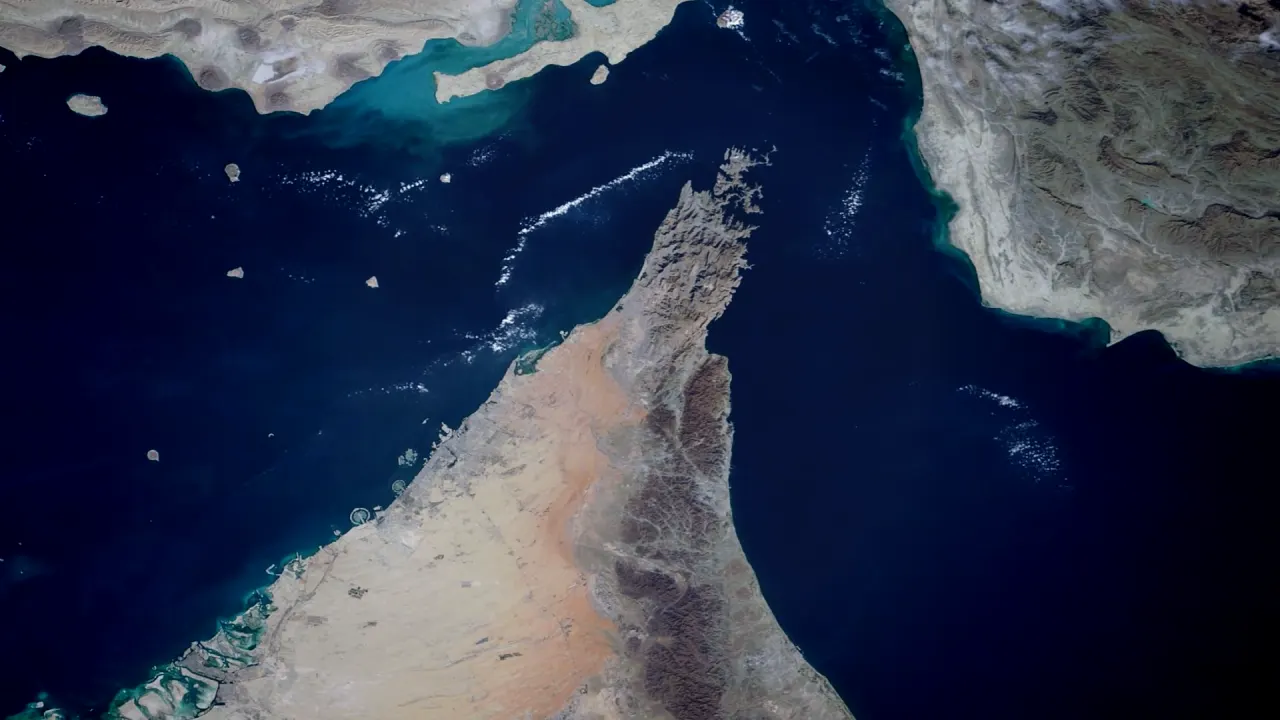
A ship exiting the Strait of Hormuz was attacked, as reported by the New York Times Middle East. This incident is part of the ongoing tensions in the region amid the 2026 Iran-U.S. war and the broader shipping crisis affecting the strait.
The attack underscores the vulnerability of both entry and exit routes through the strait, despite efforts at maritime de-escalation. At least one crew member was reported injured, emphasizing the persistent dangers facing commercial shipping in the area.
Key Takeaways
- The reported attack raises concerns about shipping safety in the Strait of Hormuz, which could influence military presence in the region.
- Market pricing suggests a potential increase in military deployments, particularly from France, as tensions escalate.
- Observers will be looking for official responses from France or other nations involved in securing maritime routes.
What to Watch
- Confirmation of warship deployments through the strait could significantly impact market expectations.
- Statements from key defense officials and maritime tracking data will be crucial in assessing the likelihood of increased military presence.
- Market participants will also be attentive to any diplomatic initiatives aimed at reducing tensions and ensuring safe passage through the strait.
Updated 15:03 UTC
New Developments in US-Iran Relations
The 60-day ceasefire window between the US and Iran closed on August 17, 2023, without any agreements or scheduled talks.
Iranian Foreign Minister Abbas Araghchi emphasized that the memorandum of understanding (MoU) was intended to end the war, not merely to establish a ceasefire.
The MoU, signed on June 17, 2026, aimed to pause hostilities for 60 days while negotiations for a permanent resolution took place, but both sides accused each other of violations during this period.
Key unresolved issues included US sanctions relief and the conditions under which Iran would clear mines from the Strait of Hormuz, a critical passage for global oil shipments.
Araghchi's stance highlights Iran's frustration with the distinction between a ceasefire and a complete end to hostilities, as they seek sanctions relief as part of a permanent resolution.
The Strait of Hormuz is vital for global oil supply, with no alternative routes capable of handling its daily volume, making any military escalation a potential trigger for significant price spikes.
As of August 18, 2023, there have been no confirmed talks between the US and Iran, indicating a lack of willingness to make necessary concessions for a deal.
Updated 15:04 UTC
New Developments on the Strait of Hormuz
- The Strait of Hormuz remains closed to commercial shipping as of August 18, 2026, with Iran refusing to reopen it until the U.S. meets specific conditions.
- Iran's demands include lifting the U.S. naval blockade, unfreezing Iranian assets, ending sanctions, war compensation, and stopping U.S. support for attacks on Iranian allies.
- The closure began on February 28, 2026, following U.S.-Israeli military strikes, with intermittent ceasefires and partial reopenings occurring until August 2026.
- Record lows in ship transits were reported by mid-August, with only two vessels observed passing through the strait on one day.
- The ongoing closure is causing significant disruptions in the global oil market, particularly affecting Asian economies reliant on Gulf crude imports.
- Alternative shipping routes, such as going around the southern tip of Africa, significantly increase delivery times and costs, while pipeline alternatives can only accommodate a fraction of the usual sea volume.
FAQ
What happened near the Strait of Hormuz recently?
A ship exiting the Strait of Hormuz was attacked, highlighting ongoing tensions in the region amid the 2026 Iran-U.S. war.
What are the implications of the attack on shipping safety?
The attack raises concerns about the safety of shipping routes in the Strait of Hormuz, which may influence military presence in the area.
How might military deployments change in response to this incident?
Market pricing suggests a potential increase in military deployments, particularly from France, as tensions escalate in the region.
What should we watch for following the attack?
Key aspects to monitor include confirmation of warship deployments, statements from defense officials, and any diplomatic initiatives aimed at reducing tensions.
What impact could this situation have on market expectations?
Increased military presence and ongoing tensions could significantly affect market expectations regarding shipping safety and oil prices.
Comments
Comments are moderated before publish.
No comments yet — be the first.