South Korea Allocates 2.6T Won for Semiconductor Industry in 2027 Budget
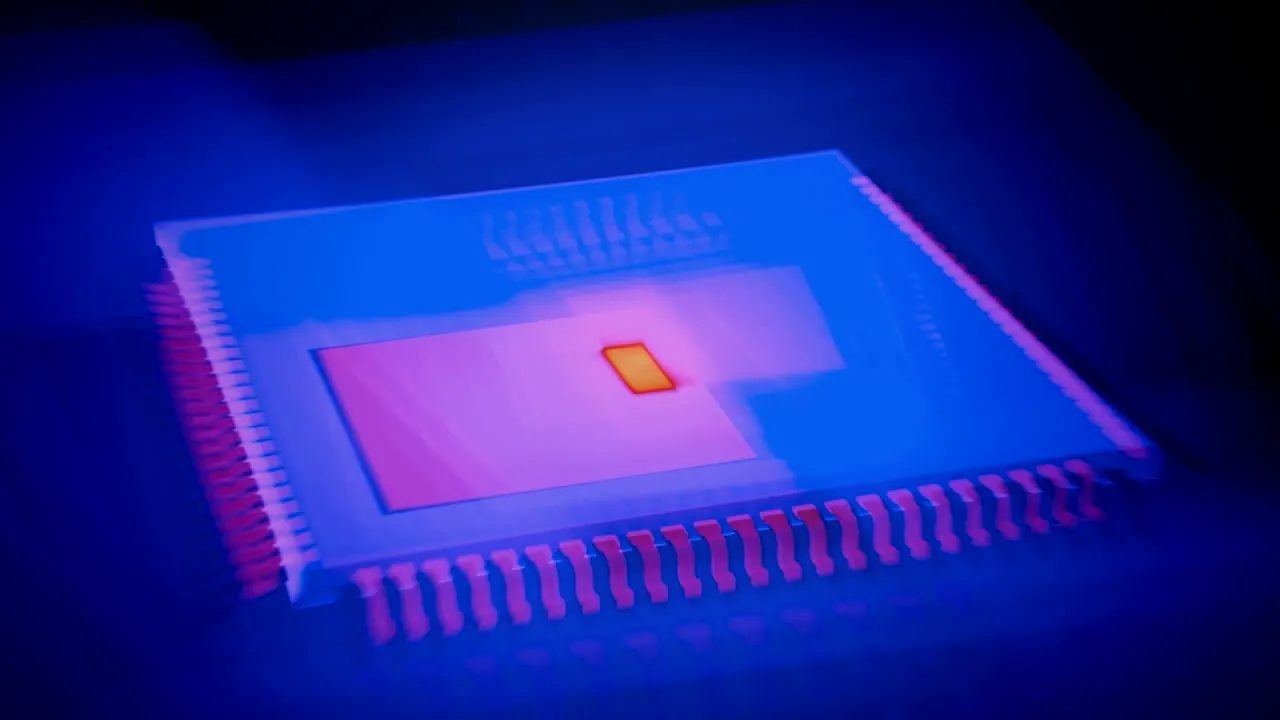
South Korea is set to invest 2.6 trillion won into its semiconductor industry as part of a national budget that is projected to be the largest in the country’s history for 2027. This allocation is a key element of President Lee Jae Myung’s strategy to transform temporary chip-related tax revenues into sustainable industrial infrastructure.
The overall budget for 2027 is expected to surpass 800 trillion won, approximately $530 to $592 billion, marking a 10-12% increase from the 2026 baseline of 729.9 trillion won. As of August 2026, the budget proposal is advancing towards a total spending of around 820 trillion won.
In light of the projected combined operating profits of Samsung and SK Hynix exceeding 600 trillion won in 2026, the South Korean government aims to utilize these revenues through a new mechanism called the “Future Response Fund.” This fund is designed to invest excess semiconductor-related tax revenues into long-term growth initiatives rather than inflating recurring spending commitments.
The fund prioritizes three key areas: semiconductor manufacturing, AI data centers, and what the government refers to as “physical AI” projects. On June 29, 2026, Seoul initiated three mega-projects with commitments totaling around 800 trillion won, or about $518 billion, aimed at doubling the country’s memory chip production capacity within five years.
Additionally, the plans for AI data centers include an initial phase of 8.4 GW capacity backed by approximately 550 trillion won in investment, with regional governments participating in the development.
FAQ
What is the total amount South Korea is investing in its semiconductor industry for the 2027 budget?
South Korea is set to invest 2.6 trillion won into its semiconductor industry as part of the 2027 budget.
How does the 2027 budget compare to the 2026 budget?
The overall budget for 2027 is expected to surpass 800 trillion won, marking a 10-12% increase from the 2026 baseline of 729.9 trillion won.
What is the purpose of the 'Future Response Fund'?
The 'Future Response Fund' is designed to invest excess semiconductor-related tax revenues into long-term growth initiatives rather than inflating recurring spending commitments.
What key areas does the South Korean government prioritize for investment?
The government prioritizes semiconductor manufacturing, AI data centers, and 'physical AI' projects for investment.
What are the goals of the mega-projects initiated by Seoul on June 29, 2026?
The mega-projects aim to double the country’s memory chip production capacity within five years, with commitments totaling around 800 trillion won.
Comments
Comments are moderated before publish.
No comments yet — be the first.