SpaceX and Nvidia to Launch AI Supercomputer Vera Rubin into Orbit by 2027
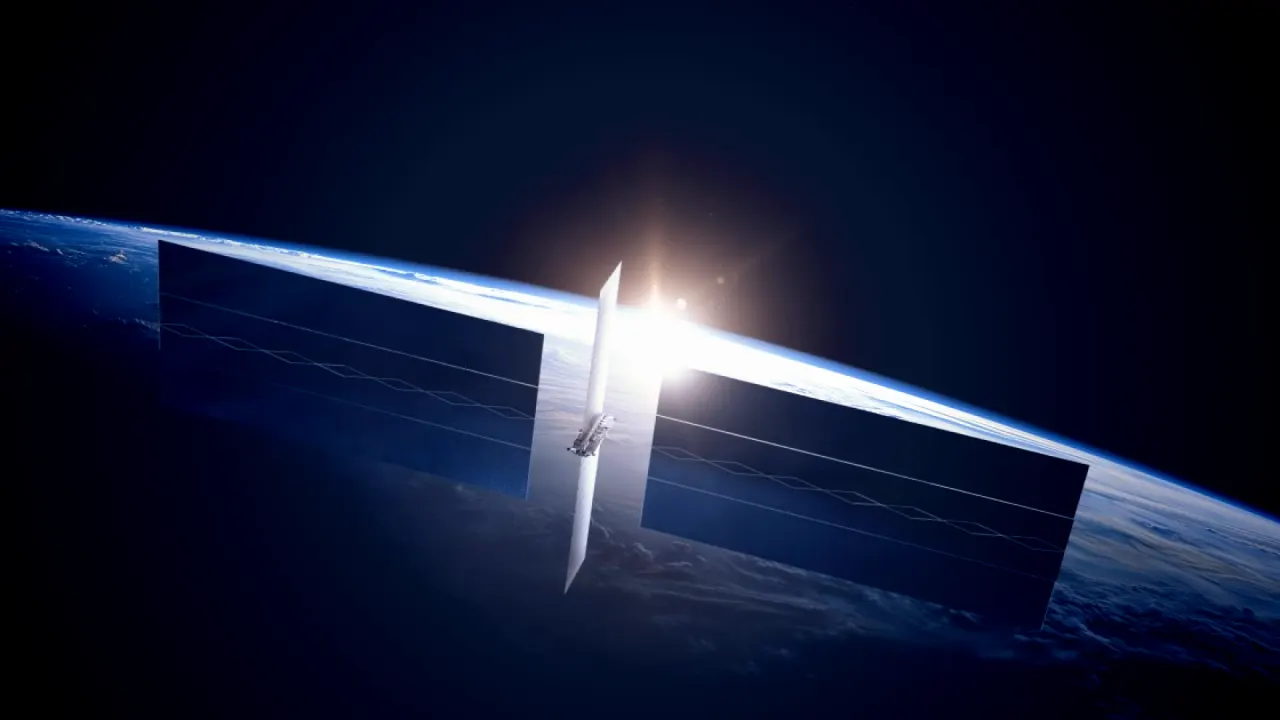
SpaceX and Nvidia are set to launch a space-optimized version of Nvidia’s Vera Rubin NVL72 AI supercomputer aboard the Starmind AI satellite, with the mission scheduled for the fourth quarter of 2027 and broader deployment planned for 2028.
The Vera Rubin NVL72 system features 72 Rubin GPUs and 36 Vera CPUs, designed for agentic AI workloads, data processing, and inference tasks. Elon Musk highlighted this collaboration during SpaceX’s earnings call in August 2026, noting the exclusive use of Nvidia’s Vera Rubin platform for its AI initiatives.
Nvidia has emphasized the importance of a unified software ecosystem that will allow developers to create applications for both terrestrial and orbital deployments without maintaining separate codebases. This partnership not only secures a major customer for Nvidia but also positions SpaceXAI to scale its computing infrastructure significantly.
SpaceXAI aims to achieve over 2 gigawatts of compute capacity by the end of 2026 and approximately 10 gigawatts by late 2027, integrating both terrestrial and orbital systems. The Vera Rubin architecture's efficiency is crucial in space, where power constraints are a significant factor.
With the Vera CPUs handling orchestration and data processing, and the GPUs focusing on model inference, SpaceXAI is poised to extend its AI capabilities beyond traditional data centers into the orbital realm, addressing challenges related to power, cooling, and reliability.
FAQ
What is the Vera Rubin NVL72 AI supercomputer?
The Vera Rubin NVL72 AI supercomputer is a space-optimized computing system developed by Nvidia, featuring 72 Rubin GPUs and 36 Vera CPUs, designed specifically for agentic AI workloads, data processing, and inference tasks.
When is the launch of the Vera Rubin supercomputer scheduled?
The launch of the Vera Rubin NVL72 AI supercomputer aboard the Starmind AI satellite is scheduled for the fourth quarter of 2027, with broader deployment planned for 2028.
What are the goals of the SpaceXAI initiative?
SpaceXAI aims to achieve over 2 gigawatts of compute capacity by the end of 2026 and approximately 10 gigawatts by late 2027, integrating both terrestrial and orbital systems to enhance its AI capabilities.
How does the Vera Rubin architecture address challenges in space?
The Vera Rubin architecture is designed for efficiency in space, where power constraints are critical. It utilizes Vera CPUs for orchestration and data processing, while the GPUs focus on model inference, addressing challenges related to power, cooling, and reliability.
What is the significance of the partnership between SpaceX and Nvidia?
The partnership between SpaceX and Nvidia secures a major customer for Nvidia and positions SpaceXAI to significantly scale its computing infrastructure, allowing for the development of applications for both terrestrial and orbital deployments without maintaining separate codebases.
Comments
Comments are moderated before publish.
No comments yet — be the first.