States Push for Profit-Sharing from AI Data Centers Amid Energy Concerns
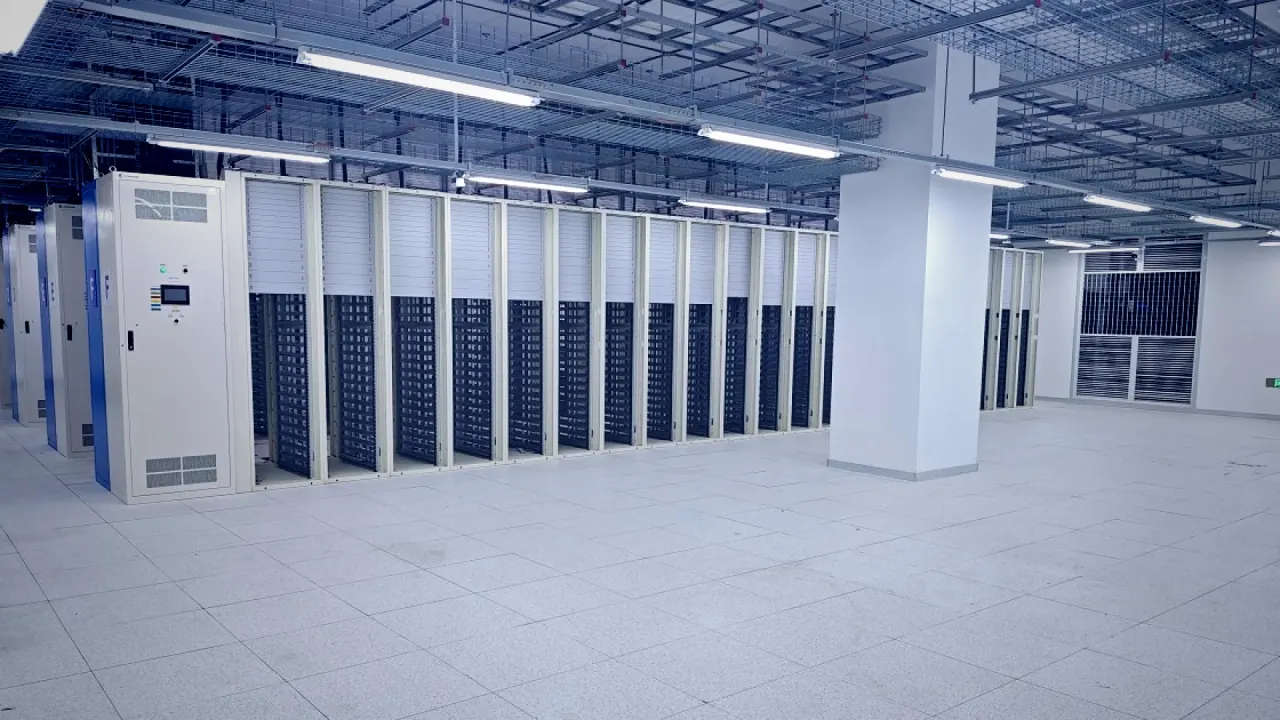
As the demand for artificial intelligence (AI) technology surges, state legislators are increasingly targeting data centers for their significant energy consumption. A wave of new legislation is being proposed across the United States, compelling tech giants to contribute to the communities that host their data centers.
Virginia and New Jersey are at the forefront of this movement. Virginia, which hosts the highest concentration of data centers globally, has introduced a Data Center Electricity Consumption Tax that will take effect on July 1, 2026. This tax will charge operators $0.011 per kilowatt-hour consumed, with annual collections capped at $600 million. New Jersey has followed suit with the Data Center Fair Share Act, effective July 7, 2026, which mandates that data centers cover their own energy costs and infrastructure impacts.
On the federal level, lawmakers are also taking action. Senator Mark Warner has proposed the Data Center Tax Accountability and Disclosure Act, aimed at increasing transparency around tax incentives for data centers. Meanwhile, Senator Ron Wyden has suggested the implementation of gross receipts taxes on data center operations, which would ensure companies cannot evade tax obligations through accounting maneuvers.
These regulatory efforts are already affecting the industry, with reports indicating that nearly half of the new data centers planned for 2026 in the U.S. have been delayed or canceled. Major players like Microsoft, Amazon, and Google are facing increased scrutiny over their energy consumption, prompting some to commit to covering additional energy costs voluntarily.
For investors in AI infrastructure, these regulatory changes represent a new layer of risk that must be considered in due diligence processes, as the financial implications of energy taxes can significantly impact operational costs.
FAQ
What is the Data Center Electricity Consumption Tax in Virginia?
The Data Center Electricity Consumption Tax in Virginia will charge data center operators $0.011 per kilowatt-hour consumed, with annual collections capped at $600 million. This tax is set to take effect on July 1, 2026.
What does the Data Center Fair Share Act in New Jersey entail?
The Data Center Fair Share Act, effective July 7, 2026, mandates that data centers in New Jersey must cover their own energy costs and the impacts on local infrastructure.
What is the purpose of the Data Center Tax Accountability and Disclosure Act proposed by Senator Mark Warner?
The Data Center Tax Accountability and Disclosure Act aims to increase transparency around tax incentives for data centers, ensuring that the financial benefits are clearly disclosed.
How are these new regulations affecting the data center industry?
The new regulations have led to delays or cancellations of nearly half of the new data centers planned for 2026 in the U.S., as companies face increased scrutiny over their energy consumption.
What risks do these regulatory changes pose for investors in AI infrastructure?
These regulatory changes introduce a new layer of risk for investors, as the financial implications of energy taxes can significantly impact operational costs and overall profitability of data center operations.
Comments
Comments are moderated before publish.
No comments yet — be the first.