Trump Endorses Clarity Act Amid Banking Industry Opposition
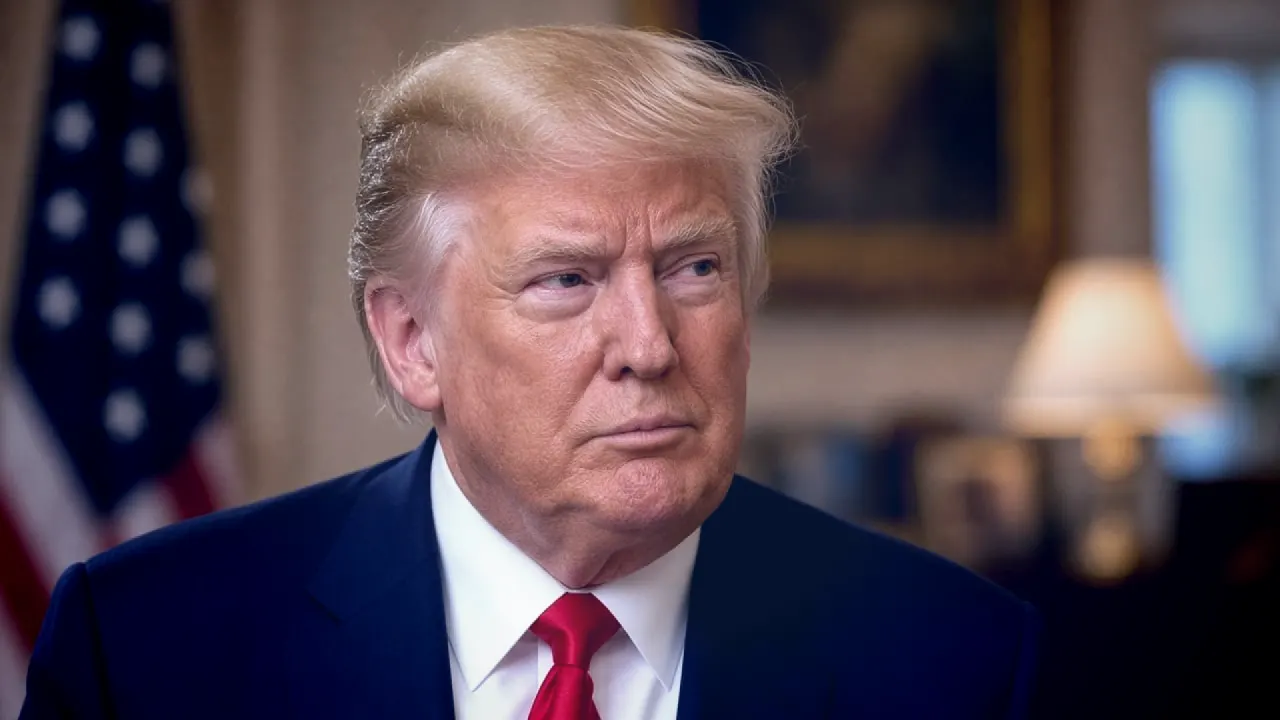
The Digital Asset Market Clarity Act, also known as H.R. 3633, is nearing a critical legislative vote, with President Trump advocating for its swift passage. The bill aims to clarify regulatory oversight of digital assets, determining which fall under the jurisdiction of the SEC and which belong to the CFTC.
As the Senate prepares for a cloture vote scheduled for September 15, Trump has engaged with crypto executives to build momentum for the legislation. However, the banking sector is actively lobbying against certain provisions, particularly those allowing interest-like rewards on stablecoins, which they argue could lead to significant deposit losses.
The bill has undergone substantial revisions, now encompassing 635 pages and incorporating 126 amendments, including ethics regulations concerning government officials' digital asset holdings. This has raised concerns given Trump's substantial family crypto investments, estimated between $1.4 billion and $2.3 billion.
Opposition from the banking industry is particularly fierce, with the Independent Community Bankers of America projecting that the stablecoin provisions could result in over $1 trillion in losses for community banks as customers shift funds into yield-bearing digital assets.
On the other hand, proponents like Stani Kulechov, CEO of the Aave protocol, view the Clarity Act as a pivotal moment for decentralized finance (DeFi). They argue that it could provide a much-needed regulatory framework similar to what the GENIUS Act offered for stablecoins.
The outcome of the upcoming cloture vote will be crucial, as it requires 60 senators to agree to proceed with debate on the bill, which has already passed the House and the Senate Banking Committee. The dynamics of the vote remain uncertain, particularly given the lobbying efforts from both sides and the complex nature of the legislation.
Updated 14:33 UTC
New Developments on the Clarity Act
- The Digital Asset Market Clarity Act is set for a cloture vote on September 15, 2026, at 2:15 p.m. ET.
- Senate Majority Leader John Thune is promoting a "risk-free" vote strategy to encourage bipartisan support.
- The bill aims to delineate responsibilities between the SEC and CFTC regarding digital assets.
- The latest version of the bill includes 126 changes requested by Democrats, focusing on ethics and consumer protections.
- The House passed the bill in July 2025 with a significant bipartisan majority of 294-134.
- The Senate Banking Committee approved the bill in May 2026 with a vote of 15-9, including support from two Democrats.
- If the cloture vote fails, the bill will effectively stall until after the 2026 midterms.
Updated 15:01 UTC
New Developments on the Clarity Act
Eighteen state attorneys general, led by New York’s Letitia James, have sent a letter to Senate Banking Committee leaders urging rejection of the Digital Asset Market Clarity Act in its current form. This bipartisan coalition includes Republican attorneys general from Kansas and Ohio.
The coalition's primary concern is that the Clarity Act could limit state attorneys general's ability to enforce laws against digital asset platforms, particularly as digital asset fraud is on the rise. They argue that the bill’s vague language could lead to legal challenges that would hinder prosecution efforts.
Letitia James previously submitted written testimony focused on digital asset fraud on July 27, 2026, and this letter represents a coordinated pushback against the legislation.
The Clarity Act, which passed the House in July 2025 and cleared the Senate Banking Committee in May 2026, aims to clarify jurisdictional lines between the SEC and CFTC regarding digital assets. However, the coalition believes that even with recent amendments, the bill's language regarding state authority remains too ambiguous to protect consumers effectively.
FAQ
What is the Digital Asset Market Clarity Act?
The Digital Asset Market Clarity Act, also known as H.R. 3633, aims to clarify regulatory oversight of digital assets by determining which assets fall under the jurisdiction of the SEC and which belong to the CFTC.
Why is President Trump endorsing the Clarity Act?
President Trump is advocating for the swift passage of the Clarity Act to establish a clear regulatory framework for digital assets, which he believes is essential for the growth of the cryptocurrency market.
What are the main concerns raised by the banking industry regarding the Clarity Act?
The banking sector is lobbying against provisions that allow interest-like rewards on stablecoins, arguing that this could lead to significant deposit losses for community banks as customers may shift their funds into yield-bearing digital assets.
How has the Clarity Act been revised since its introduction?
The Clarity Act has undergone substantial revisions, now encompassing 635 pages and incorporating 126 amendments, including ethics regulations concerning government officials' digital asset holdings.
What is the significance of the upcoming cloture vote on the Clarity Act?
The cloture vote, scheduled for September 15, is crucial as it requires 60 senators to agree to proceed with debate on the bill, which has already passed the House and the Senate Banking Committee, and will determine the future of the legislation.
Comments
Comments are moderated before publish.
No comments yet — be the first.