UK Energy Price Cap to Increase by 4% Amid Middle East Tensions
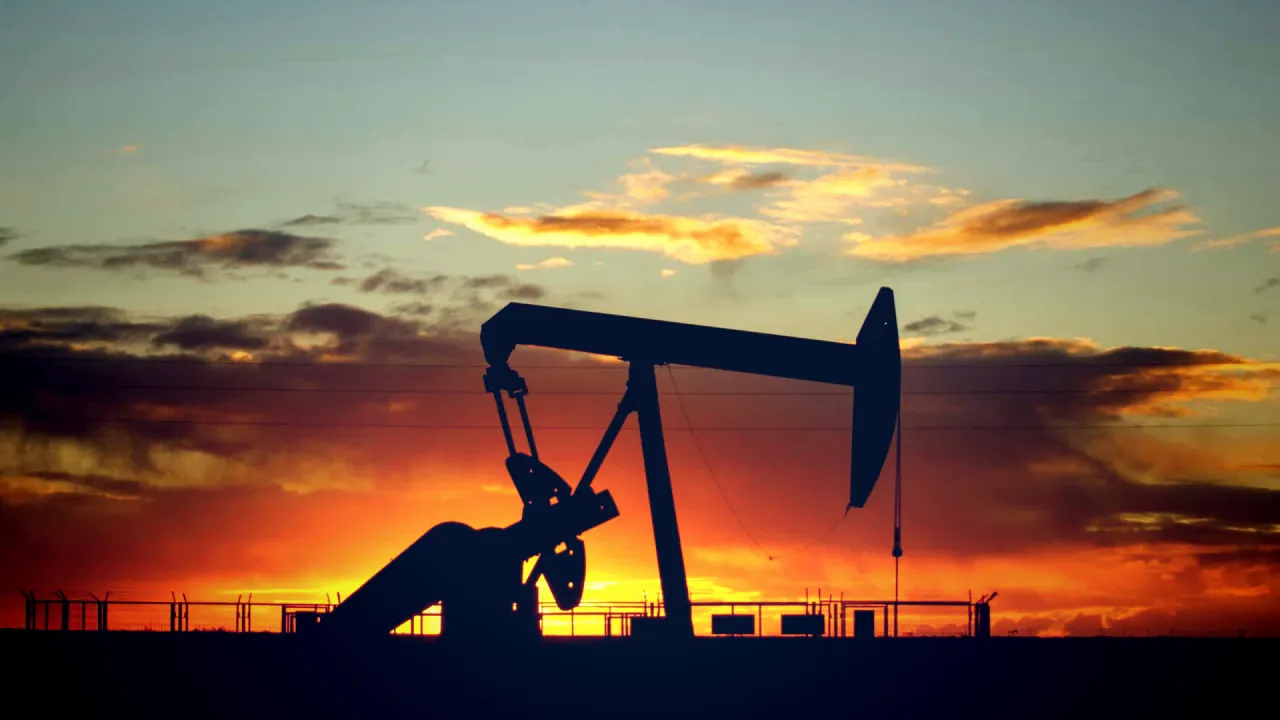
The UK household energy price cap is set to increase by 4% starting in October, as reported by the Financial Times. This rise is attributed to escalating prices from conflicts in the Middle East, impacting wholesale energy costs.
The price cap, managed by Ofgem, affects households on default or variable tariffs in Great Britain and is projected to reach approximately £1,729 annually. This will mark a three-year high, reflecting significant pressure on household budgets due to the global energy market volatility.
Markets are reacting to the developments, with implications for crude oil pricing scenarios. The increase in the UK energy price cap highlights the broader impact of Middle East tensions on energy costs, which market participants view as supportive of scenarios where crude oil may reach new all-time highs.
Key Takeaways
- The 4% increase in the UK energy price cap reflects heightened wholesale energy costs driven by Middle East conflicts.
- Market pricing suggests a consistent view with elevated crude oil prices, influencing predictions of potential all-time highs.
- Geopolitical tensions are considered a significant factor in oil price projections.
What to Watch
- Ongoing developments in the Middle East, particularly any changes in conflict status, could further influence global energy prices.
- The actions of key energy actors, including OPEC and the International Energy Agency, will be crucial in shaping future market expectations.
- Policy responses from the UK government or Ofgem regarding energy affordability may impact market dynamics and consumer sentiment.
FAQ
What is the new UK energy price cap starting in October?
The new UK energy price cap will increase by 4%, reaching approximately £1,729 annually.
Why is the energy price cap increasing?
The increase is attributed to escalating wholesale energy costs driven by conflicts in the Middle East.
Who manages the UK energy price cap?
The energy price cap is managed by Ofgem, the regulator for the electricity and gas markets in Great Britain.
How does the energy price cap affect households?
The price cap affects households on default or variable tariffs, impacting their energy bills and overall household budgets.
What factors could further influence global energy prices?
Ongoing developments in the Middle East, actions of key energy actors like OPEC, and policy responses from the UK government or Ofgem could further influence global energy prices.
Comments
Comments are moderated before publish.
No comments yet — be the first.