U.S. Considers Indefinite Naval Blockade on Iran Amid Oil Supply Crisis
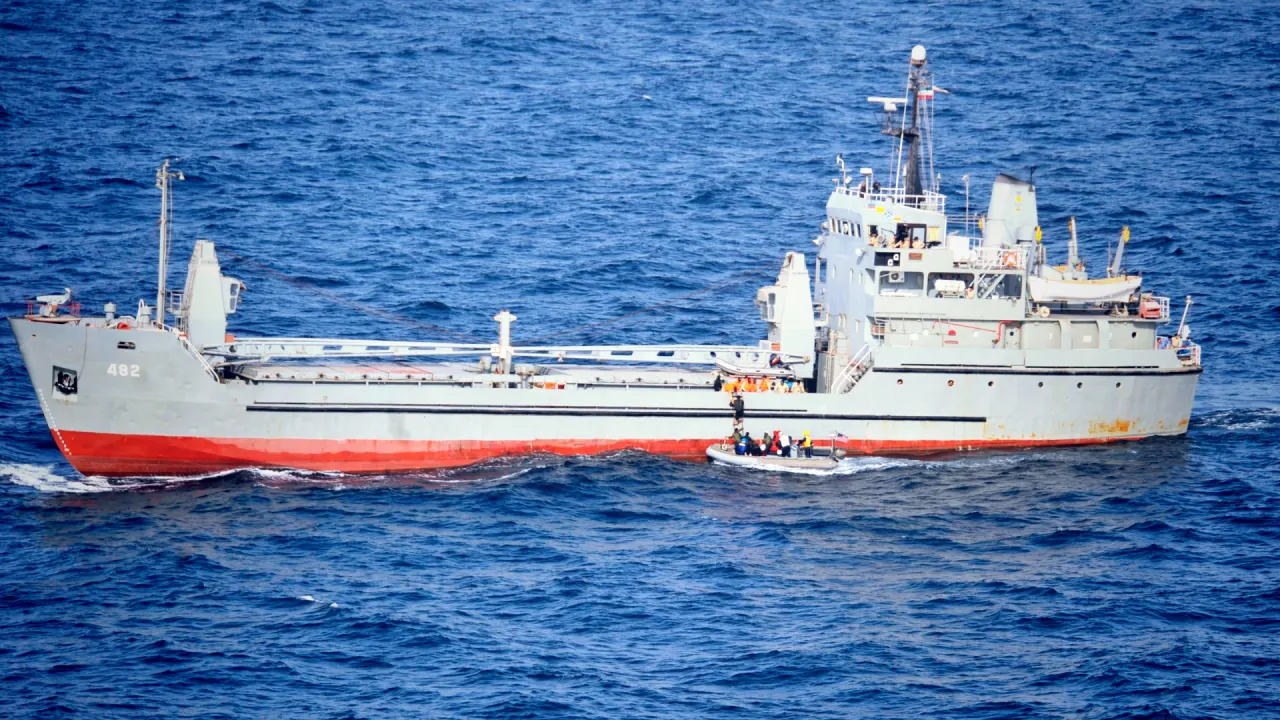
The United States is reportedly considering an indefinite extension of its naval blockade on Iran as it faces a deepening oil supply shortfall. This move comes amid ongoing tensions in the Strait of Hormuz, a crucial maritime route for global oil trade.
Initially enacted in April and reinforced in July, the blockade aims to restrict Iranian crude exports, significantly affecting both Iran’s economy and global oil markets. The U.S. has indicated that these disruptions are expected to persist through at least 2027, suggesting a prolonged period of economic and geopolitical strain.
Key Takeaways
- The potential for an indefinite naval blockade aligns with scenarios where the blockade is not lifted by August 31, 2026.
- Current market pricing reflects a decreased likelihood of the blockade ending by that date, with odds dropping from 66% a week ago to 28.5% now.
- The prolonged blockade may further escalate U.S.-Iran tensions, impacting related markets and geopolitical stability.
What to Watch
- Official announcements from the U.S. government regarding the blockade.
- Statements from President Donald Trump or U.S. Central Command for clarity on the situation.
- Developments in the Strait of Hormuz, including changes in commercial traffic or diplomatic engagements between the U.S. and Iran.
- Any indications of a peace deal or framework that might lead to the lifting of the blockade.
Updated 00:30 UTC
New Developments in Strait of Hormuz Negotiations
A dispute within Iran’s parliament regarding the reopening terms for the Strait of Hormuz is complicating negotiations in Muscat. Lawmakers are challenging the proposed roles of Oman and Pakistan in monitoring shipping through this vital waterway.
This parliamentary disagreement suggests a potential decrease in the likelihood of an agreement regarding the Strait of Hormuz reopening, as negotiations face new hurdles. Markets have reacted, with the probability of a U.S.-Iran agreement by August 15 dropping to 3.6%, down from 40% a week ago.
The contentious issue surrounding the roles of Oman and Pakistan indicates possible challenges in achieving a regional consensus. Observers are advised to monitor any official statements from Iranian and Omani authorities, which could signal shifts in negotiation dynamics.
Key developments to watch include announcements of progress or setbacks in talks, as well as any military movements or incidents that could influence the situation. The upcoming deadline of August 15 may serve as a critical juncture, impacting market expectations and geopolitical stability in the region.
FAQ
What is the purpose of the U.S. naval blockade on Iran?
The U.S. naval blockade on Iran aims to restrict Iranian crude exports, significantly impacting Iran's economy and global oil markets amid ongoing tensions in the Strait of Hormuz.
When was the naval blockade on Iran initially enacted?
The naval blockade on Iran was initially enacted in April and reinforced in July.
How long is the blockade expected to last?
The disruptions from the blockade are expected to persist through at least 2027, indicating a prolonged period of economic and geopolitical strain.
What are the current market expectations regarding the blockade's duration?
Current market pricing reflects a decreased likelihood of the blockade ending by August 31, 2026, with odds dropping from 66% a week ago to 28.5% now.
What developments should be monitored regarding the blockade?
Key developments to watch include official announcements from the U.S. government, statements from President Donald Trump or U.S. Central Command, changes in commercial traffic in the Strait of Hormuz, and any indications of a peace deal that might lead to the lifting of the blockade.
Comments
Comments are moderated before publish.
No comments yet — be the first.