US Elections Influence Oil Prices Amid Iran Conflict
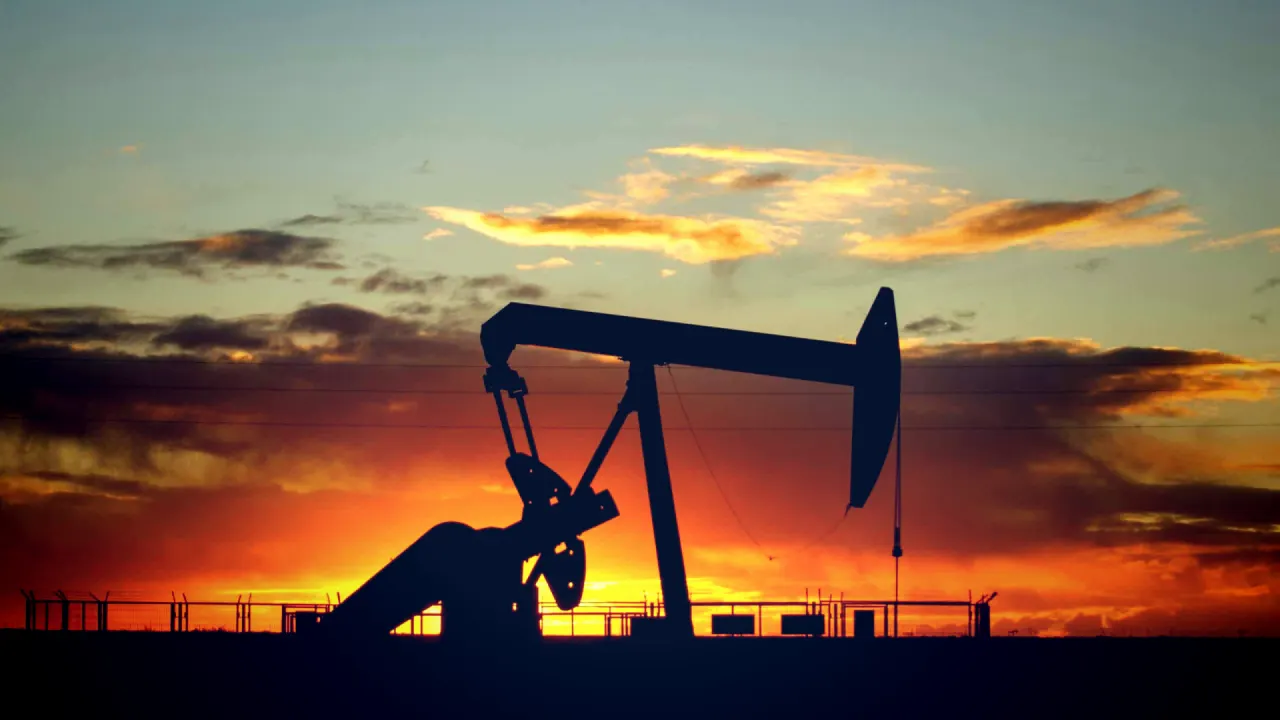
Oil prices have experienced a notable decline after the recent U.S. election results, which have shifted market expectations about the ongoing conflict with Iran. West Texas Intermediate (WTI) crude prices fell sharply, reflecting optimism for reduced geopolitical tensions and a possible change in U.S. foreign policy.
The elections resulted in Democrats gaining control of both chambers of Congress, which is perceived to influence market sentiment towards a de-escalation in the Iran conflict. Despite ongoing disruptions in the Strait of Hormuz, the market reacted positively to the potential for a lower war premium on oil prices.
Key Takeaways
- Market reactions indicate a reduced war premium in oil prices due to U.S. election outcomes.
- Democratic control of Congress may lead to a shift in U.S. policy regarding Iran.
- The likelihood of crude oil reaching a new all-time high by December 31 appears diminished based on current pricing.
What to Watch
- Observers will be keen on any official policy announcements from the U.S. government that could confirm a strategic shift regarding Iran.
- Developments in the Strait of Hormuz are critical, as ongoing disruptions could affect oil supply and pricing.
- Market participants will also monitor OPEC decisions and global oil demand changes that could influence pricing trajectories.
FAQ
How have the recent U.S. elections affected oil prices?
Oil prices have declined significantly following the U.S. election results, reflecting optimism for reduced geopolitical tensions and a potential shift in U.S. foreign policy regarding Iran.
What is the significance of the Democratic control of Congress on oil prices?
The Democratic control of both chambers of Congress is perceived to influence market sentiment towards a de-escalation in the Iran conflict, which may lead to a reduction in the war premium on oil prices.
What does the term 'war premium' refer to in the context of oil prices?
The 'war premium' refers to the additional cost added to oil prices due to geopolitical tensions and conflicts that threaten supply stability, such as the ongoing situation with Iran.
What should market participants watch for regarding U.S. policy on Iran?
Market participants should monitor any official policy announcements from the U.S. government that could indicate a strategic shift regarding Iran, as well as developments in the Strait of Hormuz.
Are there any predictions for crude oil prices by the end of the year?
Current pricing suggests that the likelihood of crude oil reaching a new all-time high by December 31 appears diminished, especially with the recent changes in market sentiment.
Comments
Comments are moderated before publish.
No comments yet — be the first.