US Military Disables Tanker in Strait of Hormuz Amid Rising Tensions with Iran
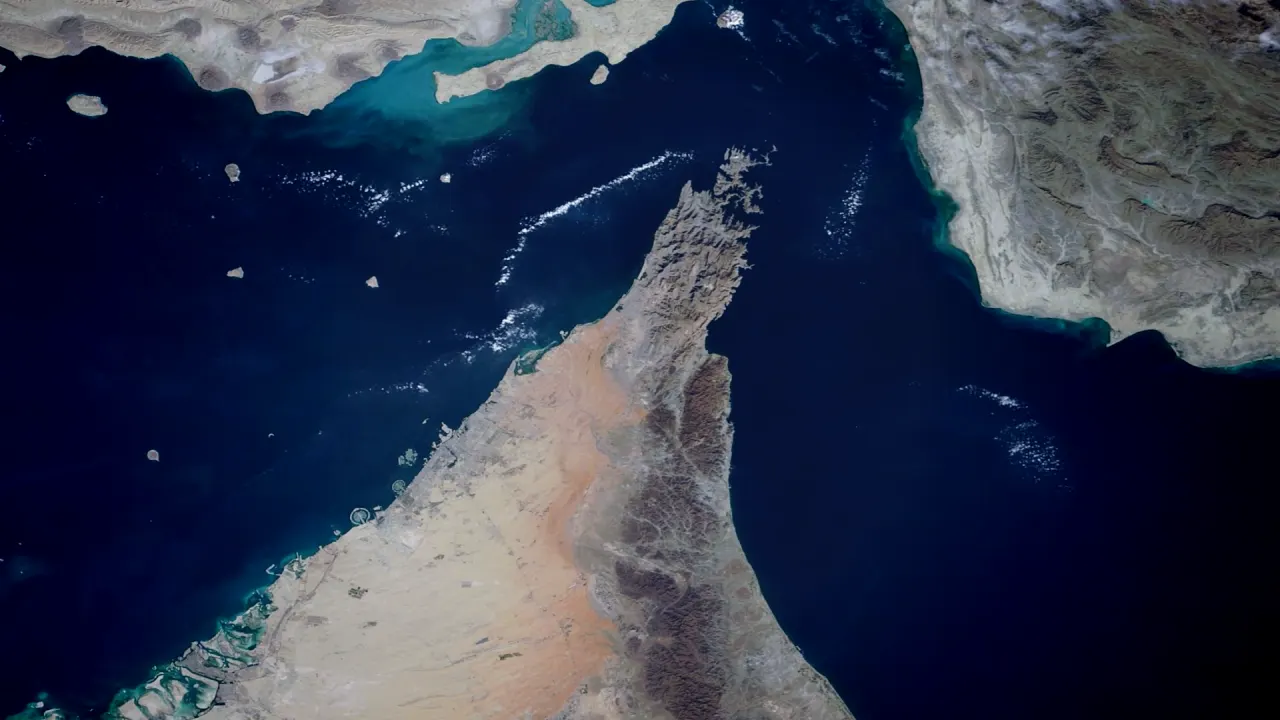
The U.S. military has taken decisive action by disabling a Panama-flagged tanker in the Strait of Hormuz, citing a violation of the naval blockade in this critical maritime area. This incident, reported by The Hill, signifies a notable escalation in the ongoing conflict between the United States and Iran, both of which have been enforcing maritime restrictions in the region.
The Strait of Hormuz is a vital energy route, handling a significant portion of the world’s oil supply. The U.S. Central Command (CENTCOM) has previously redirected or boarded vessels, but the disabling of a tanker indicates a heightened level of enforcement. This development is likely to have repercussions for commercial shipping and regional security dynamics.
Key Takeaways
- The disabling of the tanker suggests an escalation in U.S.-Iran tensions.
- Market expectations for traffic normalization in the Strait of Hormuz have diminished, with current predictions showing a 15.5% chance of a return to normalcy by September 30.
What to Watch
- Monitor statements from U.S. and Iranian officials regarding the situation.
- Watch for any new incidents involving shipping in the region.
- Keep an eye on international diplomatic efforts aimed at de-escalation.
A verified ceasefire or reduction in military activity could improve market perceptions, while further incidents may maintain pressure on current pricing.
Updated 20:31 UTC
New Developments
On August 11, 2026, US military forces launched two missiles at a Panama-flagged container ship, the Vela Nova, in the Gulf of Oman after it ignored warnings and headed towards an Iranian port. This incident marks a significant escalation in the US's efforts to disrupt maritime commerce with Iran.
The missiles were fired from a US Navy MH-60 helicopter, targeting the ship's rudder or engine room, resulting in a fire that was subsequently extinguished. Fortunately, the crew remained unharmed.
The Vela Nova, with a deadweight tonnage of 13,248, was approximately 71 nautical miles off the coast of Pakistan at the time of the incident, within the operational zone of the US naval blockade that has been in effect since April 2026.
The blockade, aimed at exerting economic pressure on Iran, was briefly lifted in June 2026 but reinstated on July 14, 2026. The Gulf of Oman is a critical maritime route, through which about a fifth of the world's oil supply is transported daily.
While international maritime law typically prohibits attacks on commercial vessels during peacetime, the US has justified its actions under national security authority, avoiding a formal declaration of war. Iran has condemned the blockade as illegal and an act of economic warfare.
Updated 20:31 UTC
New Developments on Oil Supply Disruptions
The US government now forecasts that oil supply disruptions stemming from the ongoing conflict with Iran will average roughly 600,000 barrels per day through the end of 2027.
At its peak, the disruption shrank global oil flows to roughly 14 million barrels per day, marking it as the largest oil supply crisis in recorded history, surpassing previous crises such as the Gulf War and the Iranian Revolution.
During the second quarter of 2026, global oil stocks fell by 4.2 million barrels per day, leading to concerns about strategic reserves worldwide.
Brent crude prices have recently averaged between $78 and $85 per barrel, reflecting a semi-permanent war premium in oil pricing.
Two main factors are contributing to the prolonged recovery: damage to physical infrastructure and ongoing nervousness among shipping companies, which has led to higher insurance premiums and logistical bottlenecks.
Updated 01:30 UTC
New Developments
Oil prices have increased due to rising doubts about a potential U.S.-Iran peace agreement, raising concerns over supply disruptions. As of early Wednesday, Brent crude rose to $89.63 per barrel, while West Texas Intermediate (WTI) reached $83.91.
This price increase follows recent attacks on two ships in the Middle East, which have heightened fears of supply chain interruptions in the Strait of Hormuz, a critical passage for global oil flows.
Market activity indicates that participants are increasingly worried about oil supply, reflecting a slight uptick in the probability of crude oil reaching a new all-time high by September 30.
Observers are advised to monitor statements from OPEC and the International Energy Agency, as these could significantly influence oil supply expectations and market sentiment.
Updated 04:00 UTC
New Developments
- The Panama Canal is facing increased fees and potential reductions in shipping quotas due to the El Niño drought and geopolitical tensions in the Strait of Hormuz.
- Record fees and potential restrictions on ship transits in the Panama Canal are a result of heightened congestion and intensified use, driven by the closure of the Strait of Hormuz.
- Market pricing indicates a significant decrease in confidence regarding a return to normal traffic levels in the Strait of Hormuz by September 30, with current pricing at 16.5% for a YES outcome, down from 31% a week ago.
- The Panama Canal Authority has implemented water-saving measures due to decreased water levels in key reservoirs.
- Geopolitical factors have increased demand for the Panama Canal as an alternative shipping route, leading to higher transit auction prices.
What to Watch
Observers are monitoring for developments regarding a ceasefire or diplomatic negotiations between the U.S. and Iran, as well as changes in water levels at the Panama Canal and further geopolitical escalations in the Middle East.
Updated 07:30 UTC
New Developments in Strait of Hormuz Tensions
President Donald Trump has declared that the United States has "total control" over the Strait of Hormuz, amidst rising tensions with Iran. This statement reflects a more assertive U.S. military posture in the region, which is crucial for global energy transport.
Recent market analysis indicates that the likelihood of a U.S.-Iran agreement to restore normal shipping conditions has significantly decreased. The probability of an agreement by August 15 has dropped from 68% to just 8.5% in the past week, signaling a growing expectation of prolonged conflict.
As of now, the odds for an agreement by August 31 stand at 23.5%. Observers are advised to keep an eye on any further military or diplomatic actions from both nations, as these could greatly influence market perceptions and the situation in the Strait.
Updated 08:00 UTC
New Developments in the Strait of Hormuz
Iran has announced plans to restrict access to the Persian Gulf for vessels identified as belonging to "hostile parties." This decision is part of Iran's strategy to exert control over the Strait of Hormuz, a critical chokepoint for global oil transportation.
The announcement comes amid stalled nuclear negotiations with the United States, complicating the already tense relationship between the two nations. The proposed measures suggest an increase in scrutiny and enforcement against vessels linked to adversarial nations.
Market odds for the U.S. announcing an end to the Iranian blockade by August 31 have decreased, indicating heightened risks in the region due to Iran's latest actions.
Observers are advised to monitor potential responses from the United States and its allies, which may include diplomatic or military maneuvers, as well as any significant shifts in market perceptions regarding geopolitical stability.
Updated 08:30 UTC
New Insights on Oil Supply Amid Iran Conflict
The International Energy Agency (IEA) has projected a sharper decline in global oil inventories this quarter, despite reduced demand due to the ongoing conflict involving Iran. The latest outlook indicates a persistent supply deficit, with global oil production expected to lag behind previous estimates.
Market reactions suggest potential price increases as supply constraints intensify. Currently, the likelihood of crude oil reaching a new all-time high by September 30 is low at 3.8%, but this probability rises to 12.5% for December 31.
Key factors influencing the current outlook include geopolitical tensions and supply chain disruptions. Market participants are closely monitoring OPEC announcements regarding production changes and any shifts in international energy policies that could impact supply dynamics.
The next IEA report and changes in emergency reserve policies will be critical indicators for future market movements.
FAQ
What incident occurred in the Strait of Hormuz involving the U.S. military?
The U.S. military disabled a Panama-flagged tanker in the Strait of Hormuz, citing a violation of the naval blockade in the area.
Why is the Strait of Hormuz significant?
The Strait of Hormuz is a vital energy route that handles a significant portion of the world’s oil supply, making it crucial for global commerce and energy security.
What does the disabling of the tanker indicate about U.S.-Iran relations?
The disabling of the tanker suggests an escalation in tensions between the United States and Iran, as both countries have been enforcing maritime restrictions in the region.
What are the market expectations regarding traffic normalization in the Strait of Hormuz?
Current predictions show a 15.5% chance of a return to normalcy in traffic through the Strait of Hormuz by September 30.
What should observers monitor in light of this incident?
Observers should monitor statements from U.S. and Iranian officials, watch for new incidents involving shipping in the region, and keep an eye on international diplomatic efforts aimed at de-escalation.
Comments
Comments are moderated before publish.
No comments yet — be the first.