US Proposes $10 Billion Fund with Arab Allies to Bypass Strait of Hormuz
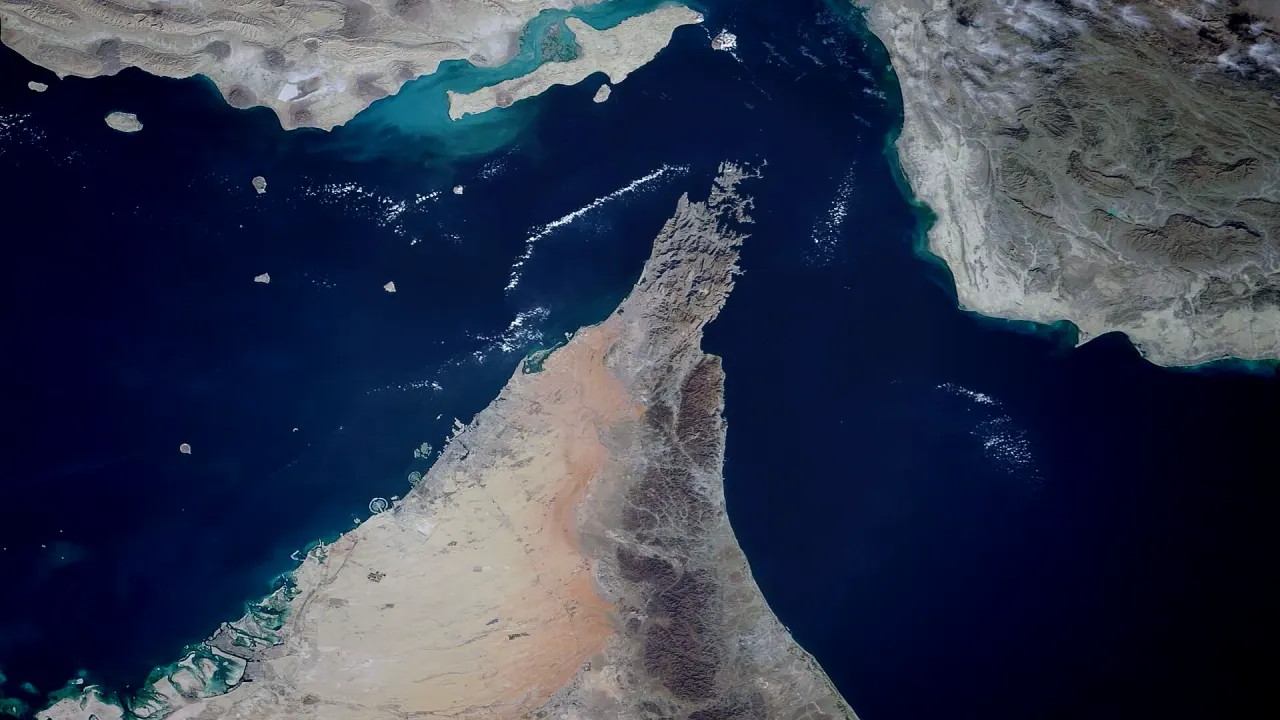
The United States has introduced a significant initiative to establish a $10 billion fund in collaboration with Arab allies, focused on creating alternative routes that bypass the strategically vital Strait of Hormuz. This proposal is designed to alleviate the risks associated with relying on the strait for oil and gas exports, particularly in light of ongoing tensions with Iran.
The initiative seeks financial contributions from Gulf nations, promoting a regional approach to share the burden of necessary infrastructure development. This move aligns with the broader U.S. strategy to counter Iranian influence in the region and ensure energy security.
Key Takeaways
- The proposal indicates a U.S. strategy to reduce reliance on the Strait of Hormuz, potentially decreasing the likelihood of imposing fees on shipping routes.
- Market participants currently assess the chances of U.S. fees in Hormuz at 5.8%, reflecting optimism regarding the proposal's impact.
- Arab allies are expected to contribute financially, emphasizing a collaborative regional effort.
What to Watch
- Observers should look for official statements from U.S. officials, such as Secretary of State Marco Rubio or Vice President JD Vance, for further clarification on the Hormuz fees.
- Iran's response to the proposal could significantly influence market perceptions and regional dynamics.
- Developments in U.S.-Iran relations and the implementation of the fund's projects will be crucial indicators for future scenarios.
Updated 19:32 UTC
New Developments on the Strait of Hormuz
Iran has set forth several conditions for reopening the Strait of Hormuz, including the immediate lifting of the maritime blockade, payment of all frozen Iranian assets, and a comprehensive end to ongoing conflicts. This announcement was made during a meeting at the UN General Assembly.
Market participants are interpreting these developments as a sign of a willingness to negotiate, with the probability of a U.S.-Iran Hormuz Agreement by September 30 currently at 9.3%, up from 7% just 24 hours prior.
The conditions outlined by Iran may indicate a strategic approach to negotiations, suggesting a potential shift in diplomatic dynamics. Key figures in this situation include U.S. President Donald Trump and Iran’s Foreign Minister Abbas Araghchi.
Observers are advised to monitor official statements from both the U.S. and Iran, as these could significantly impact market perceptions and the likelihood of a formal agreement.
FAQ
What is the purpose of the proposed $10 billion fund?
The proposed $10 billion fund aims to create alternative routes that bypass the Strait of Hormuz, reducing reliance on this strategically vital passage for oil and gas exports and alleviating risks associated with tensions in the region.
Who are the primary contributors to the fund?
The fund seeks financial contributions from Gulf nations, promoting a collaborative regional approach to share the burden of necessary infrastructure development.
How does this initiative align with U.S. foreign policy?
This initiative aligns with the broader U.S. strategy to counter Iranian influence in the region and ensure energy security by reducing dependence on the Strait of Hormuz.
What are market participants currently assessing regarding the Strait of Hormuz?
Market participants currently assess the chances of U.S. fees in Hormuz at 5.8%, indicating optimism about the proposal's potential impact on shipping routes.
What should observers watch for following the proposal?
Observers should look for official statements from U.S. officials for clarification on Hormuz fees and monitor Iran's response to the proposal, as well as developments in U.S.-Iran relations and the implementation of the fund's projects.
Comments
Comments are moderated before publish.
No comments yet — be the first.