US Sanctions Iranian Crypto Exchange BitBank Over Alleged IRGC Bitcoin Transfers
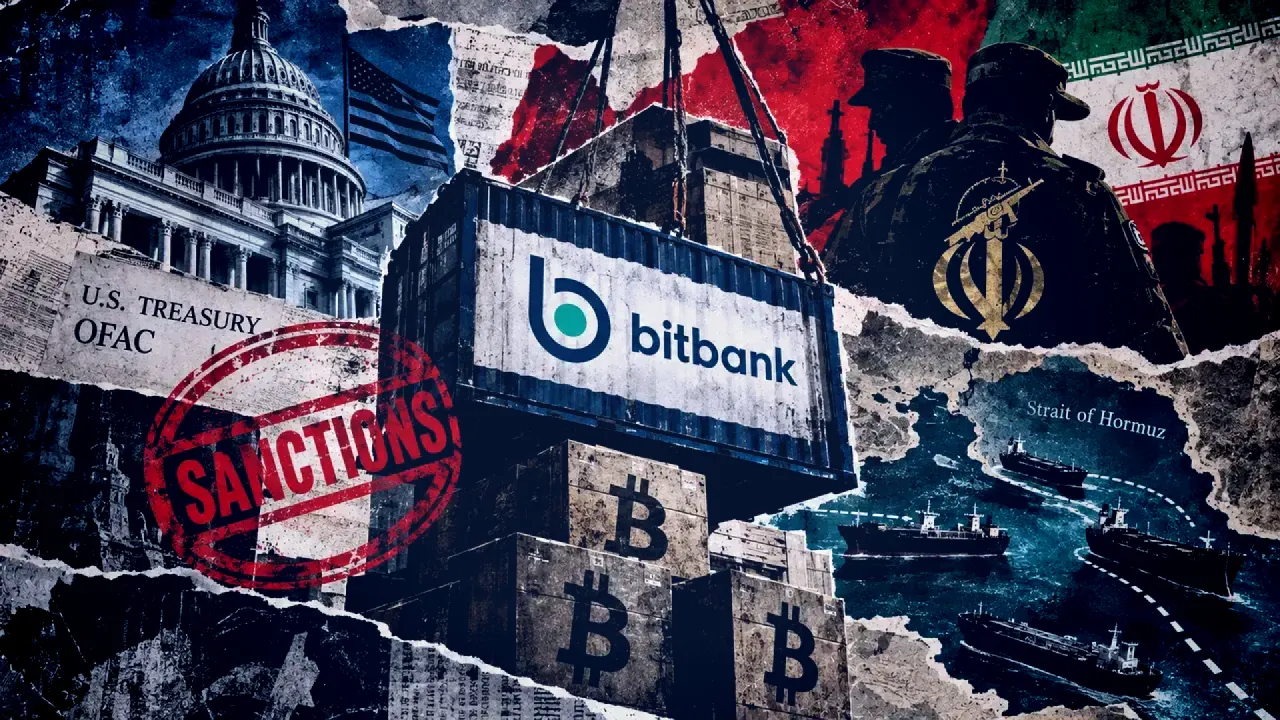
The US Treasury Department's Office of Foreign Assets Control (OFAC) has sanctioned the Iranian crypto exchange BitBank, as part of its ongoing efforts to disrupt financial networks allegedly used to support the Islamic Revolutionary Guard Corps (IRGC). The sanctions, announced on September 17, target BitBank for facilitating significant Bitcoin transfers linked to IRGC financing.
According to the Treasury, Iranian financier Babak Zanjani utilized BitBank between June and July to facilitate hundreds of millions of dollars in Bitcoin transactions to the IRGC. Additionally, Hormuz Safe Marine Services Authority, previously sanctioned for a maritime-payment scheme, has reportedly used BitBank since June to transfer funds to the Iranian government.
This action extends beyond BitBank to include Pishtaz Simorgh Electronic Trade Company, the developer of BitBank's software, as well as three individuals associated with Zanjani's corporate network. The OFAC designated these entities under Executive Order 13902, which has been expanded to encompass Iran's digital asset sector.
Treasury Secretary Scott Bessent emphasized that this move illustrates that crypto-based financing is within OFAC's regulatory reach, warning that entities supporting the Iranian government may also face sanctions. This designation is part of Operation Economic Outcast, a campaign initiated on August 24 aimed at severing Iran's financial channels used for oil revenue, sanctions evasion, and IRGC funding.
BitBank is the latest Iranian crypto platform to be targeted, following sanctions against other exchanges like Nobitex and Wallex earlier this year. The cumulative designations indicate a shift in Washington's approach, treating Iranian crypto venues as interconnected components of a broader financing network rather than isolated trading platforms.
The sanctions against BitBank further the strategy of targeting not only the exchanges but also the developers and corporate structures that facilitate these financial activities. Zanjani, who has been under US sanctions for years, has been publicly promoting BitBank since at least 2024, and various companies linked to his network have listed BitBank as a partner.
TRM Labs, a blockchain intelligence firm, noted that the latest sanctions extend an investigation that began with Zedcex and Zedxion, two other exchanges associated with Zanjani. Initially identifying about $1 billion in IRGC-linked activity, TRM has expanded its analysis to include a wider ecosystem of companies and payment systems linked to Zanjani's operations.
Overall, the sanctions against BitBank and its associated entities represent a significant escalation in the US's efforts to combat Iranian sanctions evasion through digital assets.
FAQ
What is the reason for the US sanctions against BitBank?
The US Treasury Department's Office of Foreign Assets Control (OFAC) sanctioned BitBank for facilitating significant Bitcoin transfers linked to the financing of the Islamic Revolutionary Guard Corps (IRGC).
Who is Babak Zanjani and what is his connection to BitBank?
Babak Zanjani is an Iranian financier who utilized BitBank to facilitate hundreds of millions of dollars in Bitcoin transactions to the IRGC between June and July.
What other entities were included in the sanctions alongside BitBank?
The sanctions also targeted Pishtaz Simorgh Electronic Trade Company, the developer of BitBank's software, and three individuals associated with Zanjani's corporate network.
What is Operation Economic Outcast?
Operation Economic Outcast is a campaign initiated by the US on August 24 aimed at severing Iran's financial channels used for oil revenue, sanctions evasion, and IRGC funding.
How do these sanctions reflect a change in the US's approach to Iranian crypto exchanges?
The sanctions indicate a shift in Washington's strategy, treating Iranian crypto platforms as interconnected components of a broader financing network rather than isolated trading platforms, targeting both the exchanges and their supporting structures.
Comments
Comments are moderated before publish.
No comments yet — be the first.