US Treasury Doubles Buyback Cap to Support Long-Dated Debt Market
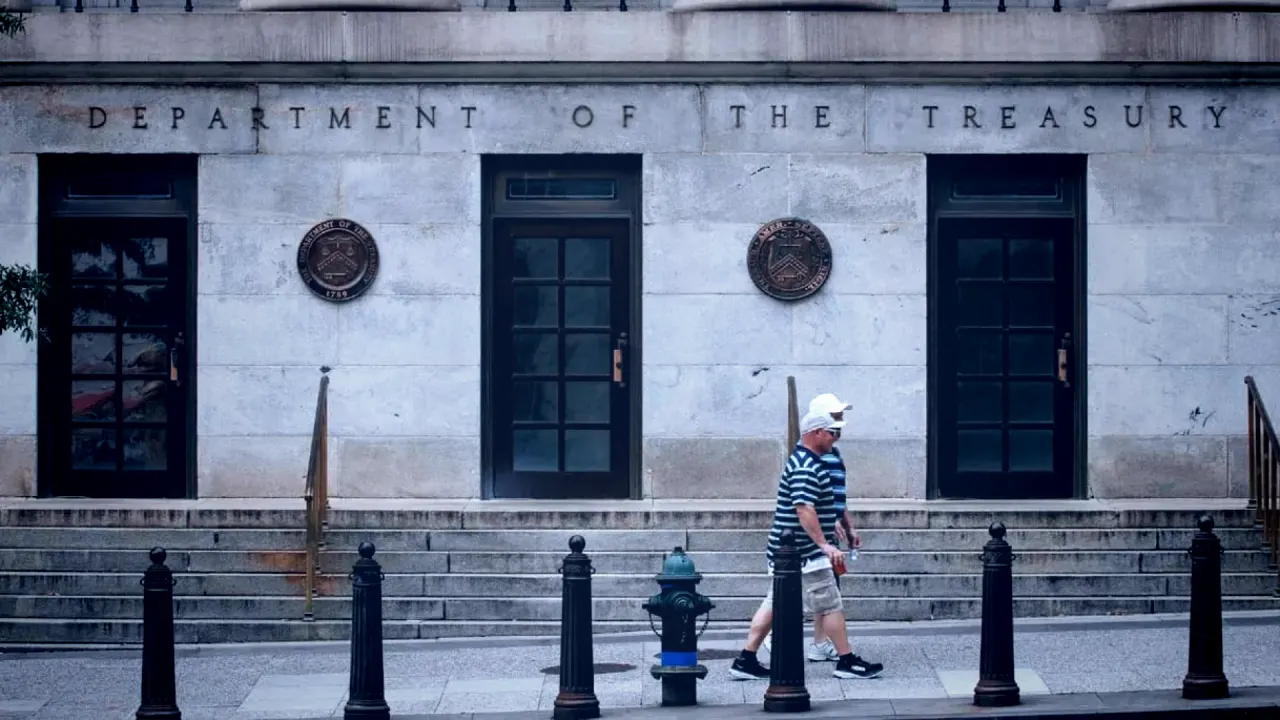
The US Treasury has taken a rare step to intervene in the bond market by doubling its per-operation buyback cap for long-dated securities from $2 billion to $4 billion, effective September 9. This decision, announced by Treasury Secretary Scott Bessent on August 19, comes in response to a surge in 30-year Treasury yields, which reached 5.33% on August 18, a level not seen since 2007.
The buyback operations will focus on repurchasing older, less liquid bonds maturing in 10 to 30 years, running from September 9 through November 4. The previous quarterly buyback schedule had set a maximum of $38 billion in total purchases for the quarter. Following the announcement, yields on long-dated Treasuries eased slightly.
The selloff in long-dated Treasuries has been driven by persistent inflation concerns, expanding federal deficits, and geopolitical tensions, particularly the ongoing conflict between Israel and Iran. Additionally, significant capital investment in artificial intelligence has created alternative investment opportunities, further impacting demand for long-dated government bonds.
The implications of a 30-year yield above 5.3% extend beyond bond traders, affecting consumer mortgage rates and corporate long-term debt issuance. The Treasury's proactive approach, including collaboration with Japan to stabilize markets, signals a commitment to addressing liquidity-driven selloffs.
In related market movements, shares of Hecla Mining and Coeur Mining surged by 13% following the Treasury's announcement, reflecting increased optimism in the precious metals market. The buyback plan is viewed as a potential catalyst for heightened demand for gold and silver, with spot prices reported at $4,358 per ounce for gold and $63.77 per ounce for silver.
FAQ
What is the new buyback cap for long-dated securities set by the US Treasury?
The US Treasury has doubled its per-operation buyback cap for long-dated securities from $2 billion to $4 billion, effective September 9.
Why did the US Treasury decide to increase the buyback cap?
The decision to increase the buyback cap was made in response to a surge in 30-year Treasury yields, which reached 5.33% on August 18, the highest level since 2007.
What types of bonds will the buyback operations focus on?
The buyback operations will focus on repurchasing older, less liquid bonds maturing in 10 to 30 years.
What are some factors driving the selloff in long-dated Treasuries?
The selloff has been driven by persistent inflation concerns, expanding federal deficits, geopolitical tensions, and significant capital investment in artificial intelligence.
How might the increase in 30-year Treasury yields affect consumers?
A 30-year yield above 5.3% could affect consumer mortgage rates and corporate long-term debt issuance, impacting borrowing costs for consumers and businesses.
Comments
Comments are moderated before publish.
No comments yet — be the first.