U.S. Treasury Yields Reach 2007 Highs Amid Bond Market Sell-Off
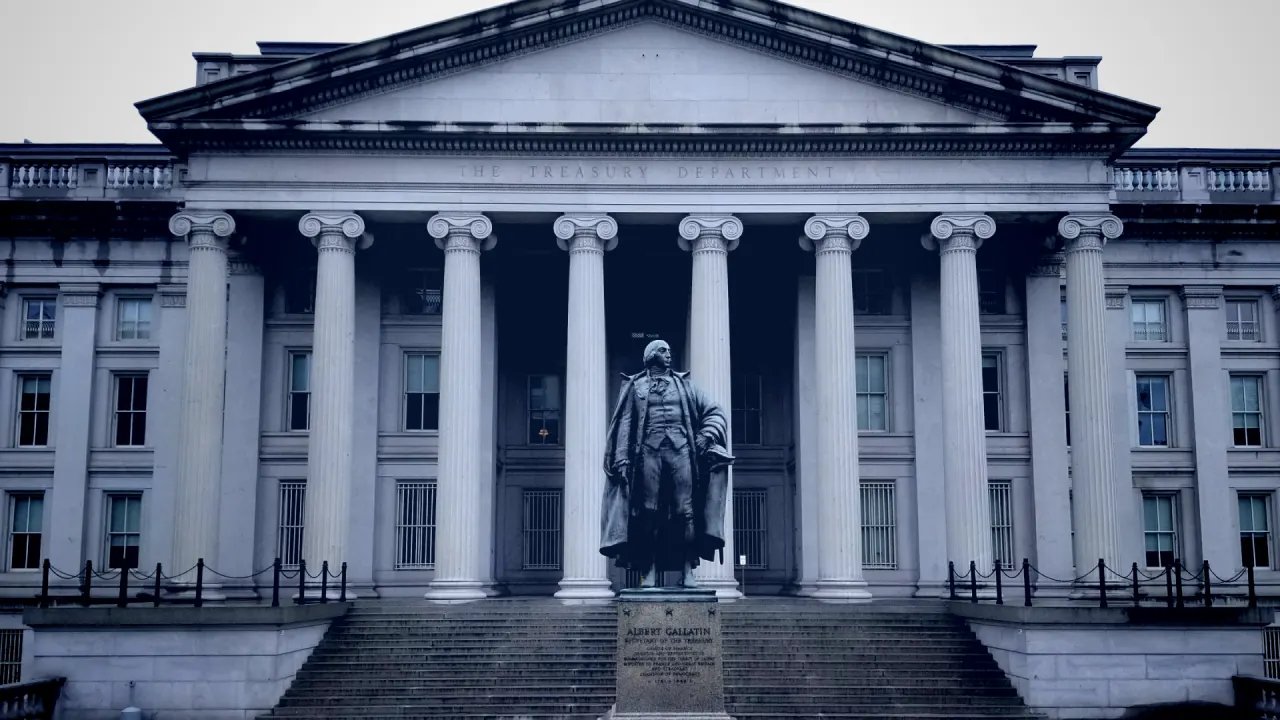
The global bond market is currently experiencing a significant sell-off, with U.S. Treasury yields hitting their highest levels since 2007. The 30-year Treasury yield has risen to approximately 5.31%-5.33%, reflecting growing concerns over America's increasing debt and inflation.
This surge in yields is attributed to a combination of factors, including fiscal deficits and substantial Treasury issuance. Analysts are observing the ripple effects of these elevated yields on borrowing costs across the economy, which could affect everything from mortgages to corporate financing.
As a result of the bond market's turmoil, there is heightened interest in gold, traditionally viewed as a safe haven asset during times of financial uncertainty. Market participants are closely monitoring gold prices, with predictions suggesting a potential increase in demand as investors seek refuge amid rising U.S. debt concerns.
Key actors such as the Federal Open Market Committee and global central banks will likely influence responses to the evolving bond market situation. Additionally, upcoming Federal Reserve meetings will be critical, as any shifts in monetary policy could further impact market behavior.
FAQ
What is causing the current sell-off in the global bond market?
The sell-off is primarily driven by rising U.S. Treasury yields, which have reached their highest levels since 2007, due to concerns over increasing debt and inflation, along with fiscal deficits and substantial Treasury issuance.
What are the current U.S. Treasury yield rates?
As of now, the 30-year Treasury yield has risen to approximately 5.31%-5.33%.
How does the rise in Treasury yields affect borrowing costs?
Elevated Treasury yields can lead to higher borrowing costs across the economy, impacting various sectors including mortgages and corporate financing.
Why is there increased interest in gold during this bond market turmoil?
Gold is traditionally viewed as a safe haven asset during times of financial uncertainty, leading investors to seek refuge in it amid rising U.S. debt concerns.
What role do the Federal Open Market Committee and global central banks play in this situation?
Key actors like the Federal Open Market Committee and global central banks will influence market responses to the evolving bond market situation, especially during upcoming Federal Reserve meetings that may lead to shifts in monetary policy.
Comments
Comments are moderated before publish.
No comments yet — be the first.