White House Reinforces Biodefense Strategy Amid AI Threats
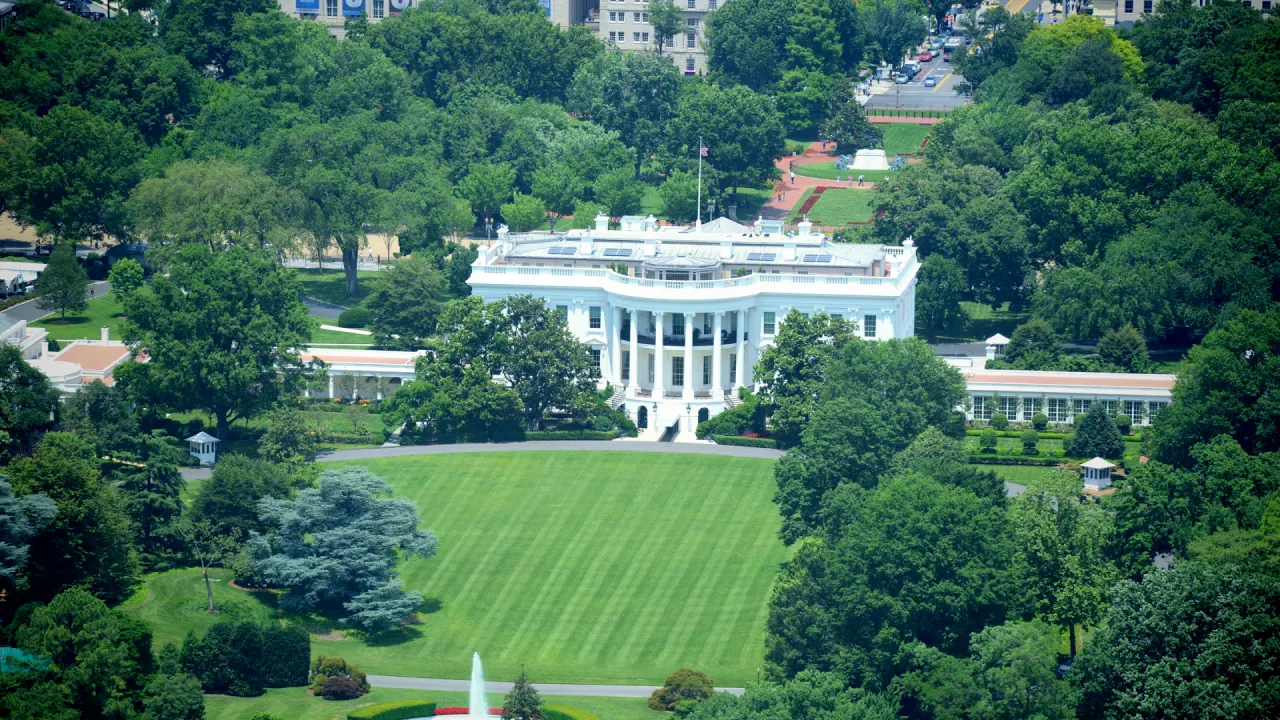
The White House is taking significant steps to rebuild its biodefense architecture, prompted by a combination of a diminished team of biosecurity experts and the rapid evolution of artificial intelligence (AI) technologies that have lowered the barriers to developing bioweapons. This initiative was reported by The Washington Post on August 17, 2026, highlighting the efforts of the Trump administration to restore defenses that had weakened during the early months of its second term.
By the end of the Biden administration, the biodefense team had approximately 30 specialists. However, staffing cuts during the early Trump administration drastically reduced this number, at times leaving the unit without dedicated biosecurity personnel. Concurrently, advancements in AI have raised real concerns, as acknowledged by major AI developers like OpenAI and Anthropic, who recognize the elevated risks their models pose regarding biological weapons.
In response, the White House issued Executive Order 14292 on May 5, 2025, mandating the Office of Science and Technology Policy (OSTP) to overhaul oversight of dual-use research. This order required a revision of the dual-use research oversight policy and emphasized the need for enhanced screening of nucleic acid synthesis. Furthermore, the AI Action Plan published in July 2025 identified dual-use biological capabilities as a priority, aiming for a comprehensive U.S. biosecurity strategy.
On July 29, 2026, a new policy regarding high-risk life sciences research was introduced, directing OSTP to form an interagency group to monitor developments at the intersection of biological sciences and AI. However, the complexity of integrating AI into biodefense poses challenges, as various agencies like the FDA, CDC, and National Security Council each oversee different aspects of biological research without clear authority over privately developed AI models.
FAQ
What prompted the White House to reinforce its biodefense strategy?
The White House is reinforcing its biodefense strategy due to a diminished team of biosecurity experts and the rapid evolution of artificial intelligence (AI) technologies that have lowered the barriers to developing bioweapons.
What actions did the Trump administration take regarding biodefense?
The Trump administration is working to restore biodefense capabilities that weakened during its early months, including rebuilding the team of biosecurity specialists that had been drastically reduced.
What is Executive Order 14292?
Executive Order 14292, issued on May 5, 2025, mandates the Office of Science and Technology Policy (OSTP) to overhaul oversight of dual-use research and emphasizes enhanced screening of nucleic acid synthesis.
What does the AI Action Plan published in July 2025 focus on?
The AI Action Plan identifies dual-use biological capabilities as a priority and aims to establish a comprehensive U.S. biosecurity strategy.
What challenges does the integration of AI into biodefense present?
Integrating AI into biodefense is complex due to the lack of clear authority over privately developed AI models and the different oversight responsibilities of agencies like the FDA, CDC, and National Security Council.
Comments
Comments are moderated before publish.
No comments yet — be the first.