Federal Reserve's Wait-and-See Stance Influenced by Economic Indicators
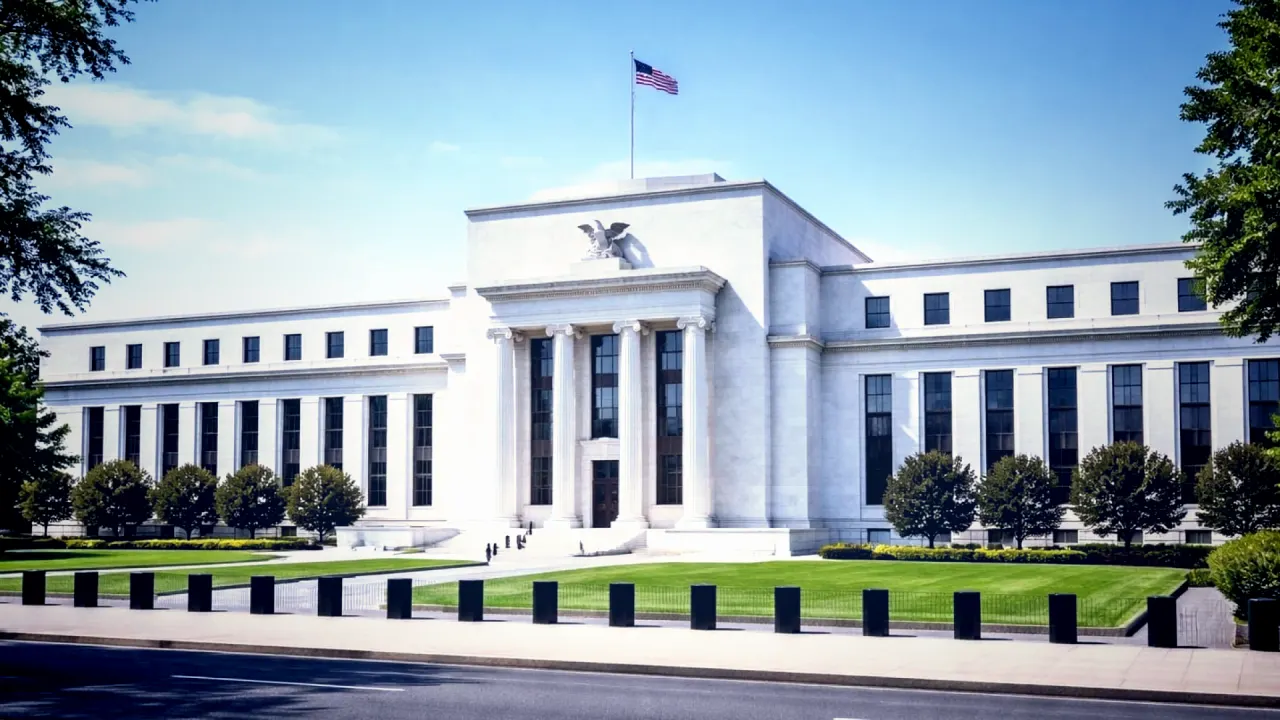
Laura Cooper, a global investment strategist at Nuveen, has suggested that the Federal Reserve is expected to continue its "wait-and-see" approach regarding interest rates. This perspective aligns with the Fed's recent decision to keep the policy rate steady in the range of 3.50% to 3.75%.
Cooper noted that rising real yields are a significant development, indicating tighter financial conditions even without a change in the policy rate. The Fed's cautious stance reflects an ongoing assessment of various economic indicators before making any further decisions.
Key Takeaways
- The Fed is likely to pause rate hikes in upcoming meetings, as market activity suggests.
- Real yields have increased, which may affect the Fed's decision-making process.
- Current pricing indicates a higher likelihood of maintaining the policy rate in the short term.
What to Watch
- Upcoming economic data releases, such as inflation and employment figures, could influence the Fed's future decisions.
- Statements from key Federal Reserve figures, including Chairman Kevin Warsh, may provide insights into potential policy shifts.
Updated 15:31 UTC
Latest Insights on Federal Reserve's Rate Decisions
- The Bureau of Labor Statistics will release the July 2026 Consumer Price Index (CPI) report on August 12 at 8:30 a.m. ET.
- The Federal Open Market Committee (FOMC) voted 9-3 to maintain the federal funds rate at 3.5% to 3.75% during its July meeting, with three members advocating for a rate hike.
- June's CPI showed a 0.4% month-over-month decrease and a 3.5% year-over-year increase, down from 4.2% in May.
- Economists predict a 0.09% month-over-month increase and a 3.4% year-over-year gain in July's CPI report.
- A stronger-than-expected July CPI could lead to higher bond yields and increased odds of a rate hike in September, while a weaker report may result in lower yields and a more cautious Fed stance.
- The July jobs report indicated a loss of 23,000 jobs, adding complexity to the Fed's decision-making process.
Updated 15:31 UTC
New Insights on Federal Reserve's Rate Hike Decision
The Federal Reserve's decision regarding a potential rate hike is closely linked to the upcoming July Consumer Price Index (CPI) report. This report is anticipated to provide critical insights into the current inflation trajectory, influencing the Fed's monetary policy decisions.
Currently, the Federal Open Market Committee (FOMC) has set a federal funds target range of 3.5% to 3.75%. Despite this, officials acknowledge that inflation remains sufficiently high to consider further tightening measures.
Market expectations are shifting, with a current probability of 41.5% for a rate hike in September, reflecting the uncertainty surrounding inflation trends. The July CPI report is viewed as a pivotal event that could significantly impact these expectations.
Key figures, including Fed Chair Jerome Powell, may offer additional insights based on the findings of the CPI report. A rise in inflation indicated by the report could increase the likelihood of a rate hike, while cooling inflation may lead to a decrease in these expectations.
FAQ
What is the current policy rate set by the Federal Reserve?
The current policy rate set by the Federal Reserve is in the range of 3.50% to 3.75%.
What does the term 'wait-and-see' approach mean in the context of the Federal Reserve?
'Wait-and-see' refers to the Federal Reserve's strategy of holding off on making changes to interest rates while assessing economic indicators and market conditions.
How are rising real yields impacting the Federal Reserve's decisions?
Rising real yields indicate tighter financial conditions, which may influence the Federal Reserve's decision-making process regarding future interest rate changes.
What economic indicators should be monitored for potential changes in Fed policy?
Key economic indicators to watch include inflation rates and employment figures, as these can significantly influence the Federal Reserve's future decisions.
Who are some key figures in the Federal Reserve that may provide insights into policy shifts?
Key figures include the Federal Reserve Chairman, currently Kevin Warsh, whose statements can provide insights into potential changes in monetary policy.
Comments
Comments are moderated before publish.
No comments yet — be the first.